The Dark Side: Potential Harmful Effects

While protein shakes offer a convenient source of nutrition, they are not without their drawbacks. Overconsumption of protein can lead to kidney and liver issues, especially for those who already have preexisting conditions. Additionally, some shakes are high in sugar and calories, which can contribute to weight gain and other metabolic issues if not consumed mindfully.
Artificial additives are another concern. Some protein shakes contain synthetic preservatives, artificial colors, and sweeteners that have been linked to various health issues, including allergies and potential carcinogenic effects. While the research is still inconclusive, the presence of these additives raises questions about the long-term safety of consuming protein shakes regularly.
Case Studies: When Protein Shakes Go Wrong

Real-life incidents and reports have emerged about adverse effects linked to protein shake consumption. These range from mild allergic reactions to more severe health issues like kidney failure. While these cases are not the norm, they serve as cautionary tales that underscore the importance of understanding what goes into these shakes.
Regulatory actions also provide insight into the potential risks. There have been recalls and FDA warnings about specific protein shake brands due to contamination or misleading labels. Health professionals often advise caution and recommend that consumers do thorough research before incorporating protein shakes into their diet, especially for long-term use.
How To Choose A Safe Protein Shake

So, how does one navigate the maze of options and choose a protein shake that’s both effective and safe? The first step is to scrutinize the ingredient list. Look for shakes that contain minimal additives and are sourced from high-quality protein. If the ingredient list is a long catalog of unpronounceable names, that’s usually a red flag.
Recommendations based on research and reviews can also guide you toward trusted brands. Many health and fitness experts provide lists of vetted options that meet quality and safety standards. Alternatively, making your own protein shake at home allows you to control the ingredients and their quality, ensuring a safer and more personalized option.
Alternatives To Protein Shakes

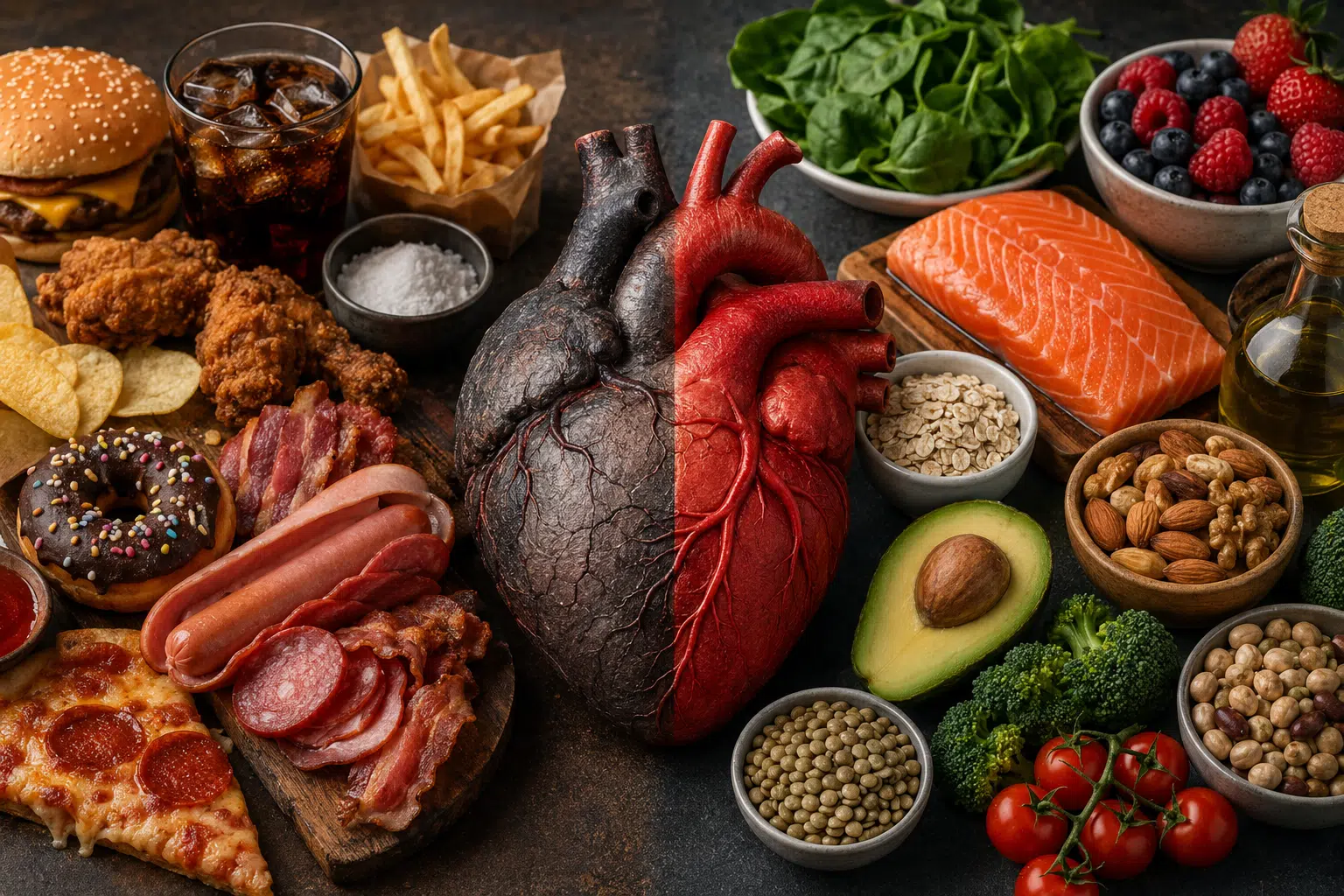
Protein shakes are not the only way to meet your nutritional needs. Whole food options like lean meats, fish, and plant-based proteins like lentils and chickpeas offer a more natural approach. These foods not only provide protein but also come packed with other essential nutrients and fiber, which are often missing in protein shakes.
Other types of supplements can also serve as alternatives. Amino acids, creatine, and other nutrient-dense options can offer similar benefits without the potential downsides of commercial protein shakes. Additionally, adopting a balanced diet and regular exercise routine can often negate the need for any kind of supplemental protein, making them the most holistic approach to meeting your nutritional needs.
Take Charge Of Your Protein Shake Choices
The world of protein shakes is vast and complex, filled with both opportunities and pitfalls. While they offer a convenient way to supplement your diet, it’s crucial to approach them with caution and awareness. Don’t just follow the trend; make it your mission to understand what you’re putting into your body. Consult healthcare professionals, read ingredient lists carefully, and consider whole-food alternatives when possible. Your health is too important to leave to chance!