

Reducing your sugar intake is a crucial step towards a healthier lifestyle, yet many find it challenging to resist its sweet allure. This exploration into healthy alternatives for sugar offers a beacon of hope for those seeking sweetness without the health drawbacks. From natural sweeteners like honey and Stevia to the rich flavors of maple syrup, these alternatives not only enhance taste but also provide various health benefits. Delving into each of these options reveals how easy and beneficial it can be to make the switch from traditional sugar.
Honey: Nature’s Sweet Nectar

Maple Syrup: More Than Just A Pancake Topping

Maple syrup, a natural sweetener with a rich history, is often relegated to the role of a mere pancake topping. However, its culinary uses are far more extensive, and its health benefits make it a worthy sugar substitute. Produced from the sap of maple trees, this syrup contains antioxidants and minerals like manganese and zinc, offering more nutritional value than plain sugar. Its deep, complex flavor, ranging from subtly sweet to robustly rich, enhances both sweet and savory dishes, making it a versatile ingredient in the kitchen.
When substituting maple syrup for sugar in recipes, it’s essential to consider its liquid nature. Generally, for every cup of sugar, about three-quarters of a cup of maple syrup should be used. Additionally, the overall liquid content in the recipe needs to be reduced to maintain the desired consistency. Maple syrup’s unique flavor profile can transform baked goods, marinades, and even salad dressings, adding a touch of natural sweetness and depth of flavor that sugar cannot provide.
Agave Nectar: A Low Glycemic Sweetener

Agave nectar, derived from the agave plant, is a sweetener that has gained attention for its low glycemic index, making it a favorable option for those managing blood sugar levels. Its sweetness comes primarily from fructose, which has a lower glycemic impact than glucose, found in regular sugar. Agave nectar is about one and a half times sweeter than sugar, meaning less is needed to achieve the same sweetness level. This characteristic can be particularly beneficial in reducing overall calorie intake.
In the kitchen, agave nectar shines as a versatile sweetener. Its mild, neutral flavor makes it suitable for a variety of dishes, from sweetening beverages to baking. When baking with agave nectar, reducing the recipe’s liquid content is advisable, as agave is a liquid sweetener. It’s also important to slightly lower the oven temperature, as the fructose in agave nectar tends to caramelize and brown more quickly than sucrose. Despite these minor adjustments, agave nectar remains a popular alternative for those seeking a lower glycemic sweetener without compromising on taste.
Related Posts
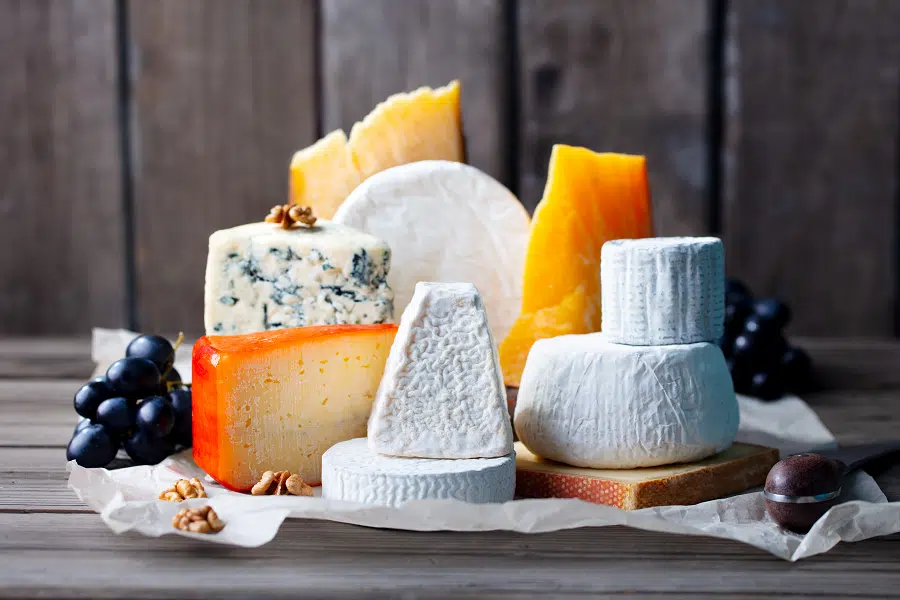
What Happens If You Eat Cheese Daily

Cheese, a staple in many diets worldwide, offers a unique blend of flavors, textures, and nutritional benefits. This exploration delves into the daily consumption of…

Unhealthy Breakfast Foods To Avoid

A healthy breakfast sets the tone for the day, providing the energy and nutrients needed for optimal performance. Yet, many popular breakfast options fall short…

Major Recall Issued For Popular Grocery Items

Grocery recalls can happen at any time, and when they involve widely sold products, the impact reaches far beyond store shelves. Items that many people…