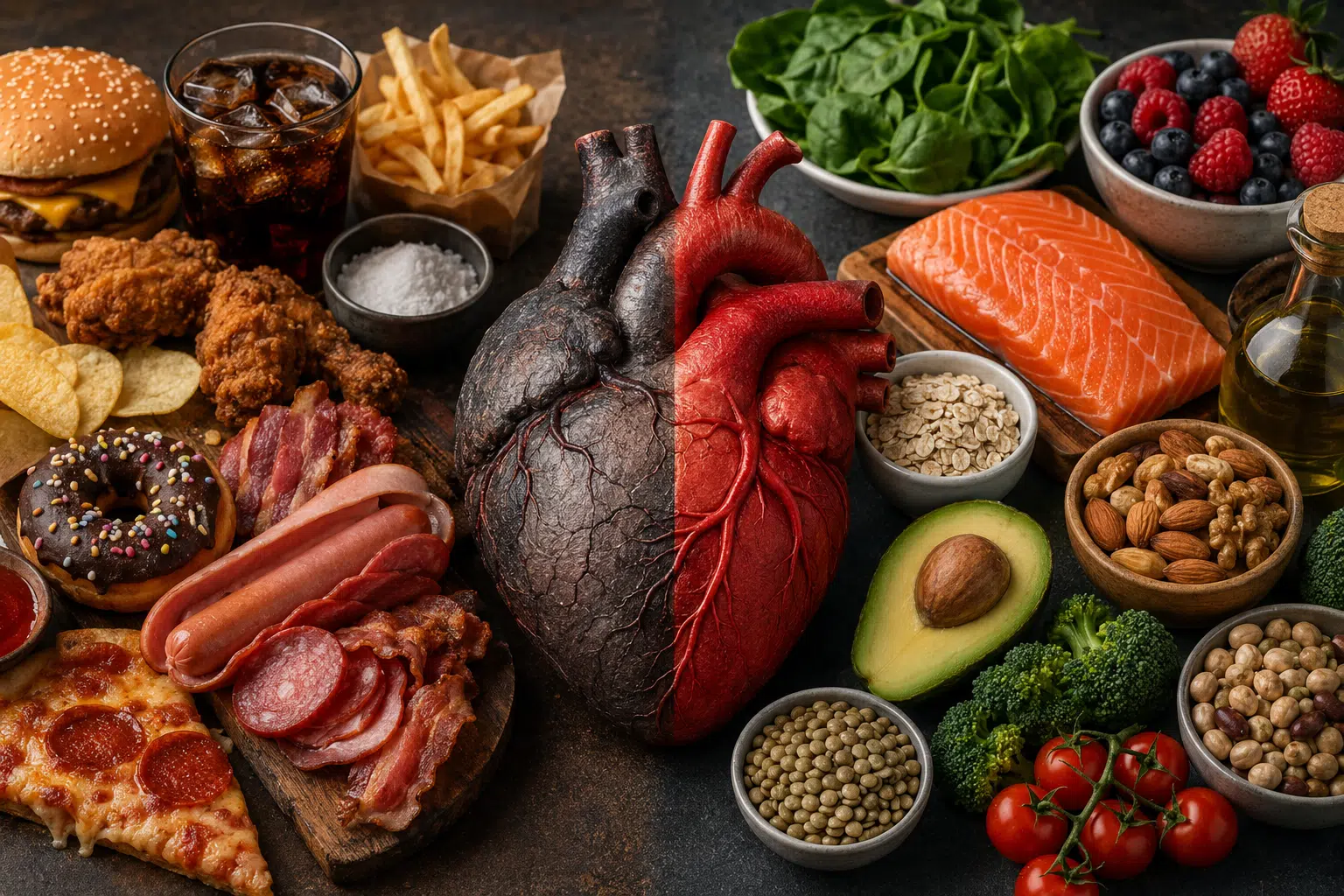
Processed foods have become a staple in many diets due to their convenience and long shelf life. However, these foods often contain high levels of sodium, sugars, and unhealthy fats, contributing to various health issues. Transitioning to a diet rich in whole, unprocessed foods can significantly benefit one’s health, from improved heart function to better mental well-being. This post explores the myriad benefits the body experiences when processed foods are replaced with more natural, nutrient-dense alternatives.
Improved Heart Health

Reducing the intake of processed foods can have a profound impact on heart health. These foods are typically high in sodium, which is linked to increased blood pressure—a significant risk factor for heart disease. By cutting out processed foods, individuals can lower their sodium intake, potentially reducing blood pressure and the strain on the heart. Additionally, many processed foods contain trans fats and refined sugars, which can lead to poor cholesterol profiles and increased risk of heart disease.
Natural, unprocessed foods are often rich in essential nutrients that promote heart health. These include fiber, antioxidants, and healthy fats found in fruits, vegetables, whole grains, and lean proteins. Fiber, for instance, helps lower bad cholesterol levels and improves heart function. Antioxidants reduce oxidative stress, protecting the heart, while healthy fats like omega-3 fatty acids can improve cardiovascular health. Including these nutrient-dense foods in one’s diet can significantly enhance heart function and reduce the risk of heart-related issues.
Boosts Mental Health

Eliminating processed foods from the diet can also benefit mental health significantly. Processed foods often contain additives and high levels of sugar that can disrupt the delicate balance of the gut-brain axis. This imbalance can lead to mood fluctuations, increased anxiety, and an elevated risk of developing mood disorders. By choosing whole foods, individuals can nurture their gut health, which is intricately linked to the brain and overall mental well-being.
Studies have shown a correlation between diets high in natural, unprocessed foods and lower rates of depression and anxiety. Foods like leafy greens, berries, nuts, and seeds are rich in vitamins, minerals, and antioxidants, which are essential for brain health. These nutrients aid in reducing inflammation and oxidative stress in the brain, which are common in mental health disorders. By focusing on a diet that includes these nutrient-rich foods, individuals may experience improved mood, better cognitive function, and a more balanced mental state.
Promotes Healthy Weight Loss

Choosing whole, unprocessed foods over processed ones can significantly aid in healthy weight loss. These foods are naturally more filling, leading to a reduced overall calorie intake. High in fiber and nutrients, whole foods like fruits, vegetables, and whole grains take longer to digest, keeping one full for extended periods. This natural satiety helps in avoiding overeating and snacking on unhealthy options, which are common pitfalls in weight management.
Another advantage of unprocessed foods is their role in regulating blood sugar levels. Processed foods often cause spikes in blood sugar due to their high sugar and low fiber content, leading to increased fat storage and weight gain. On the other hand, whole foods provide a more consistent energy release, preventing sudden insulin spikes and aiding in weight management. Consistently choosing whole foods can lead to a natural and sustainable reduction in body weight, without the need for strict calorie counting or restrictive dieting.