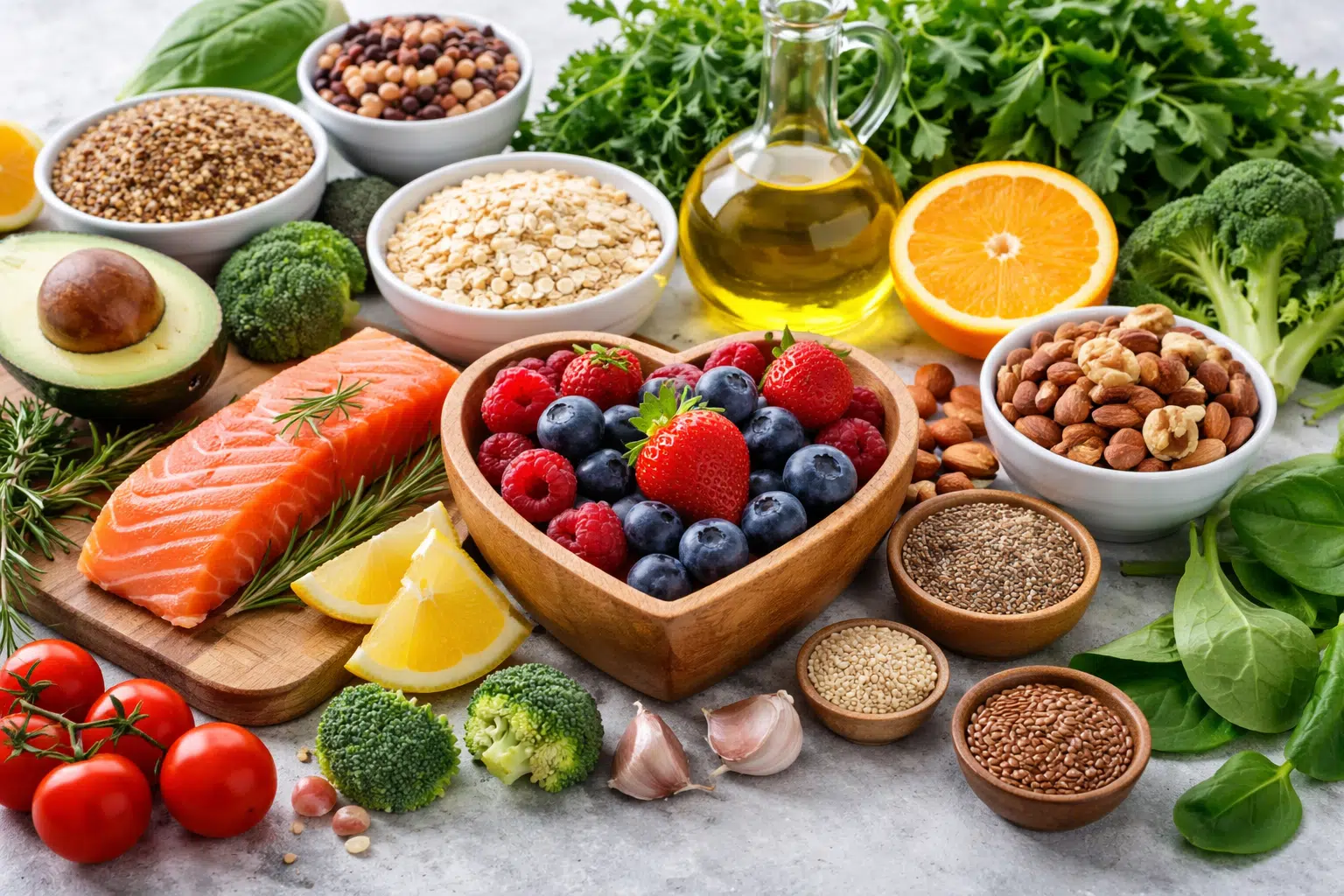
Prostate health is a vital aspect of men’s well-being, often overlooked until issues arise. The relationship between diet and prostate health is significant, as certain foods play a crucial role in maintaining its well-being. This article explores the top foods that promote prostate health. From antioxidant-rich tomatoes to Omega-3-packed fatty fish, each food item discussed offers unique benefits. Understanding these can aid in making informed dietary choices that support a healthy prostate.
Tomatoes: Lycopene Powerhouse

Tomatoes are celebrated for their high lycopene content, a potent antioxidant known for its prostate health benefits. Lycopene is particularly effective in combating free radicals that can damage cells, including those in the prostate. Studies have shown that a diet rich in lycopene can significantly reduce the risk of developing prostate issues. The body absorbs lycopene more efficiently from cooked tomatoes, making tomato-based sauces and soups not only delicious but also beneficial. Including a variety of tomato-based dishes in your diet can be a simple yet effective way to boost your prostate health.
The debate between fresh and cooked tomatoes in terms of lycopene absorption is intriguing. While fresh tomatoes are nutritious, cooking them releases more lycopene, making it easier for the body to utilize. This doesn’t mean one should avoid raw tomatoes; rather, it suggests a balanced intake of both forms. Incorporating a mix of fresh and cooked tomatoes into salads, sandwiches, and stews ensures a well-rounded approach to consuming this lycopene-rich fruit.
Broccoli: The Cruciferous Crusader

Broccoli, a member of the cruciferous vegetable family, is a powerhouse of nutrients beneficial for prostate health. It contains compounds like sulforaphane and indoles, which are known for their cancer-fighting properties. These compounds help in detoxifying harmful substances and have been linked to a lower risk of prostate problems. Regular consumption of broccoli can contribute to the overall health of the prostate, making it a vital component of a prostate-friendly diet.
Incorporating broccoli into your diet can be both easy and delicious. It can be enjoyed in various forms – steamed, stir-fried, or even raw in salads. The key is to not overcook it, as this can diminish its nutrient content. Experimenting with different seasonings and cooking methods can make broccoli a versatile and enjoyable part of your meals, ensuring you reap its full benefits for your prostate health.
Fatty Fish: Omega-3 Richness

Fatty fish such as salmon, mackerel, and sardines are excellent sources of omega-3 fatty acids, which are known for their anti-inflammatory properties. Chronic inflammation is a known risk factor for many prostate issues, making omega-3s crucial for prostate health. Regular consumption of fatty fish can help reduce inflammation and potentially lower the risk of prostate problems. Additionally, these fish are a great source of high-quality protein and other vital nutrients, making them an excellent addition to a health-conscious diet.
The recommendation for fatty fish consumption for optimal prostate health is at least two servings per week. This frequency ensures a steady intake of Omega-3 fatty acids without overexposure to potential contaminants found in seafood. Grilled, baked, or poached, fatty fish can be prepared in various ways that retain its nutritional value while adding variety to your diet. Pairing these fish with vegetables and whole grains can create balanced, prostate-friendly meals.
Green Tea: Antioxidant Abundance

Green tea is renowned for its high concentration of catechins, antioxidants that have been linked to improved prostate health. These compounds help in reducing inflammation and can inhibit the growth of cells that may lead to prostate issues. Regular consumption of green tea has been associated with a lower risk of developing prostate problems, making it a valuable addition to your diet.
The optimal amount of green tea for prostate health is still a subject of research, but moderate consumption is generally recommended. This could mean two to three cups per day, providing a substantial amount of catechins without overconsumption. Green tea can be enjoyed hot or cold, making it a versatile beverage for all seasons. It’s a simple yet effective way to introduce powerful antioxidants into your diet, supporting your prostate and overall health.