
What Are Nootropics?
 wp.com/healthyfoodsmag.net/wp-content/uploads/2022/11/U6.jpg?w=600&ssl=1 600w, https://i0.wp.com/healthyfoodsmag.net/wp-content/uploads/2022/11/U6.jpg?resize=300%2C200&ssl=1 300w" sizes="(max-width: 600px) 100vw, 600px">

Omega-3 fatty acids are a type of nootropic that effectively improves memory and cognitive function. Omega-3 fatty acids are in fish oil and other sources. They work by increasing levels of brain chemicals like dopamine and serotonin. Omega-3 fatty acids are also anti-inflammatory, which may help to protect the brain against damage and disease. Many people take omega-3 supplements in the form of fish oil capsules. In addition, some studies have found that omega-3 supplements can improve memory and cognitive function in people with Alzheimer’s disease, dementia, and other conditions that cause memory loss.
Will You Implement Nootropics Into Your Life?
In conclusion, nootropics can improve cognitive function and enhance overall brain health. However, it is important to remember that not all nootropics are proven effective and safe for everyone. As always, it is best to consult a healthcare provider before adding new substances to your routine. Additionally, it is important to purchase nootropics from reliable sources and start with a low dosage. With these precautions in mind, nootropics may be a helpful addition to your wellness routine. Ultimately, it is up to you to decide if the potential benefits outweigh any possible risks for you personally.
Related Posts
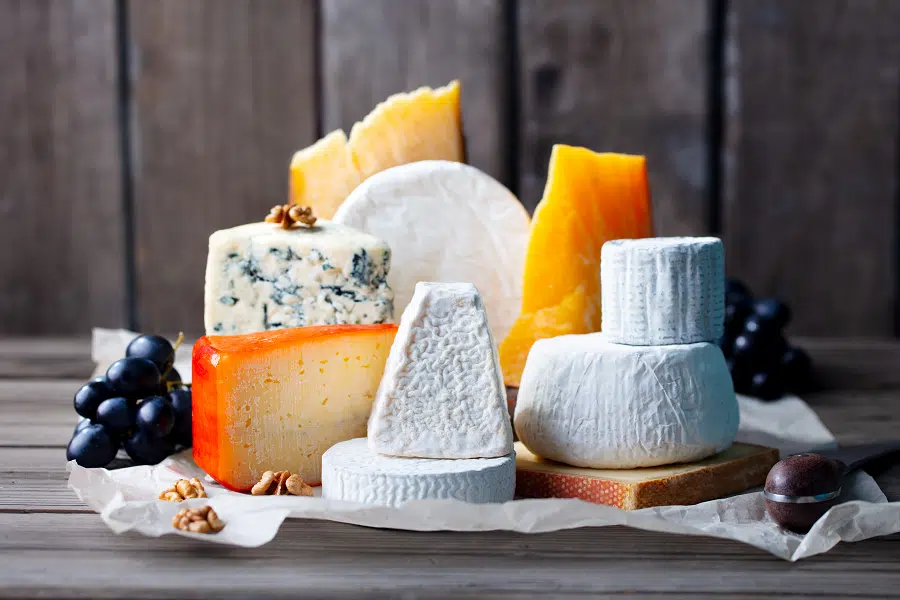
What Happens If You Eat Cheese Daily

Impact On Heart Health Cheese’s impact on heart health is a nuanced subject. While it is a source of cholesterol and saturated fats, which are…
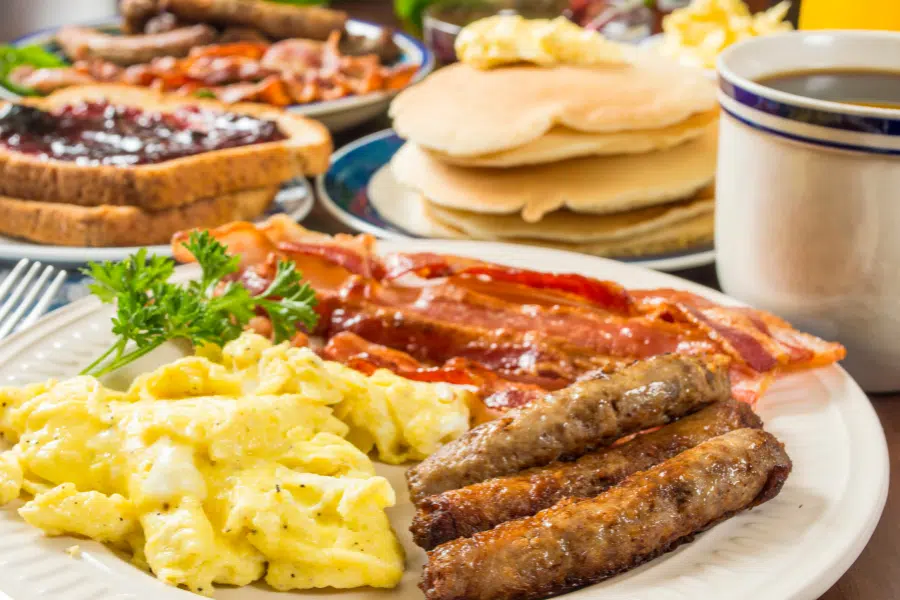
Unhealthy Breakfast Foods To Avoid

Store-bought Fruit Juices Store-bought fruit juices, while often perceived as a healthy beverage choice, can be deceptive in their nutritional value. These juices are typically…

Major Recall Issued For Popular Grocery Items

La Guadalupana Foods LLC Frozen Tamales A Class I recall—the most serious category—was issued for La Guadalupana Foods LLC Mild Pork Tamales after it was…