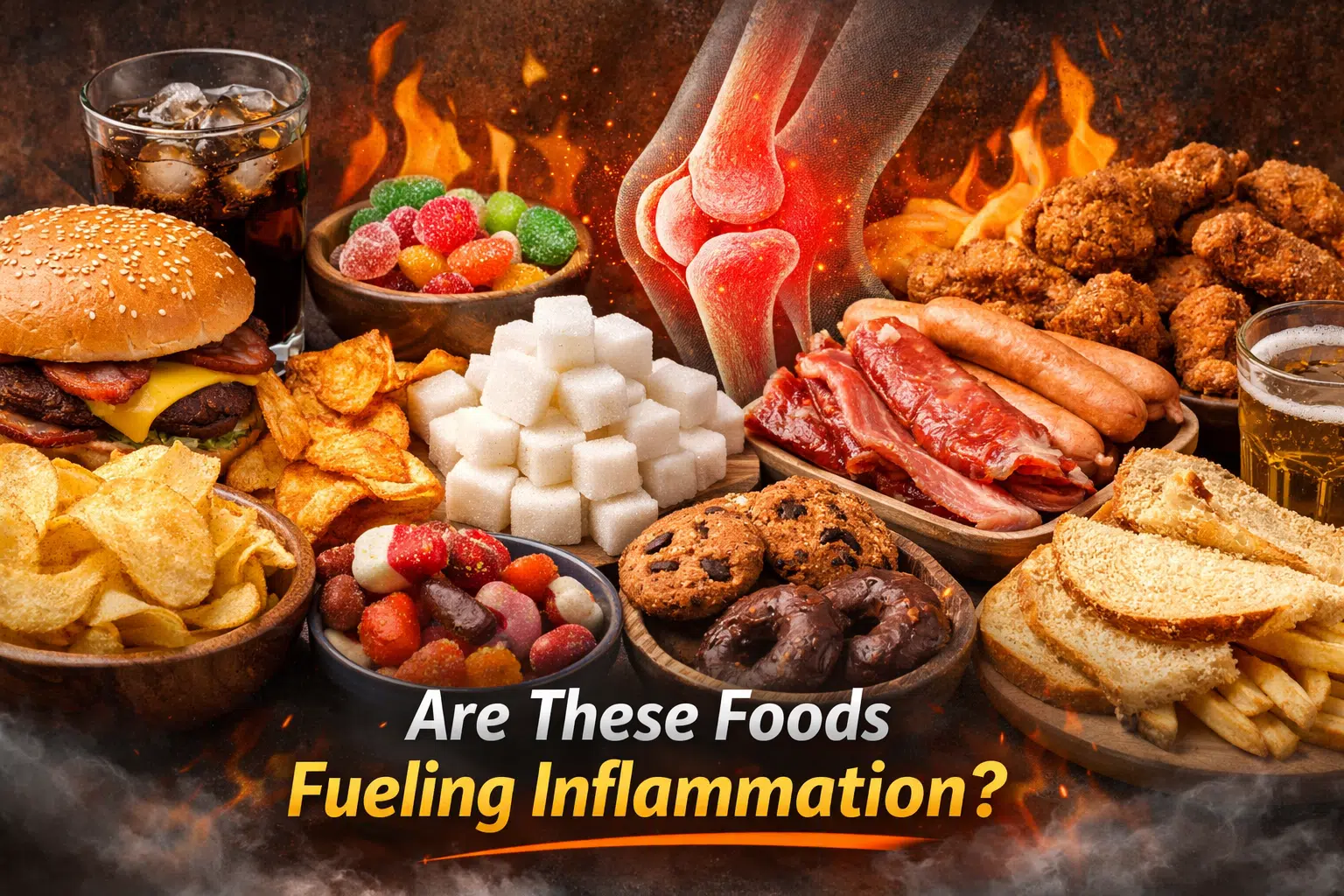
In today’s fast-paced world, snacking has become an integral part of our daily eating habits. However, the key to maintaining a healthy lifestyle lies in choosing the right snacks – ones that are not only delicious but also nutritious. This guide delves into healthy snacking, uncovering various options catering to different tastes and dietary needs. This article comprehensively examines the top-rated healthy snacks, from fruit-based delights to protein-packed bites. Whether you’re a fitness enthusiast, a busy professional, or someone simply looking to make healthier food choices, these snack ideas are designed to satisfy your cravings while contributing positively to your overall health.
Fruit-Based Snacks

Fruit-based snacks stand out as a natural and delicious choice for health-conscious individuals. Fruits with essential vitamins, minerals, and fibers offer a quick nutritional boost without the added guilt of excessive calories. Dried fruits, like apricots and raisins, provide a convenient and long-lasting option, perfect for on-the-go snacking. However, it’s crucial to be mindful of added sugars and preservatives – opting for unsweetened and organic varieties where possible. Fruit bars and homemade fruit smoothies are other excellent choices, combining the goodness of various fruits in one tasty and convenient package.
While fresh fruits are always a great option, innovative snacks like freeze-dried fruits and fruit leather offer a twist to traditional snacking. These alternatives retain most of the nutritional value of fresh fruits and provide a longer shelf life, making them an excellent addition to any pantry. For a more satisfying snack, pairing fruits with nuts or yogurt can add a protein punch, enhancing the snack’s ability to keep you fuller for longer. The key is to enjoy the natural sweetness of fruits while being aware of portion sizes, especially when it comes to dried fruits.
Nuts and Seeds

Nuts and seeds are a powerhouse of nutrients, offering a perfect blend of healthy fats, proteins, and fibers. Almonds, walnuts, and pistachios are popular for their heart-healthy fats and protein content. These snacks are filling and provide essential nutrients like Omega-3 fatty acids and vitamin E. Chia seeds and flaxseeds are excellent for adding a nutritional boost to yogurts or salads, providing a crunchy texture and a host of health benefits.
However, nuts and seeds should be consumed in moderation due to their high-calorie content. Portion control can be practiced by pre-packing small servings or opting for mixed nuts, which offer a variety of flavors and nutrients. Raw or dry-roasted varieties are the best choices for those who avoid added oils and salt. Nuts and seeds can be combined with other foods to create balanced snacks, like almond butter on whole-grain toast or pumpkin seeds sprinkled over a smoothie bowl.
Vegetable Snacks

Vegetables are an essential part of a balanced diet, and incorporating them into snacks is an effective way to increase daily vegetable intake. Low in calories and high in nutrients, vegetables like baby carrots, cucumber slices, and bell pepper sticks are perfect for a crunchy and refreshing snack. Pairing these with dips like hummus or Greek yogurt can boost flavor and provide additional protein and healthy fats.
Creative preparation methods can also make vegetable snacks more appealing. Kale chips, roasted Brussels sprouts, or baked zucchini fries are delicious and healthy alternatives to traditional fried snacks. These options satisfy the craving for something crispy and savory and pack in the nutritional benefits of vegetables. Experimenting with seasonings and cooking methods can also bring out unique flavors, making vegetable snacks a delightful and healthy choice for any time of the day.