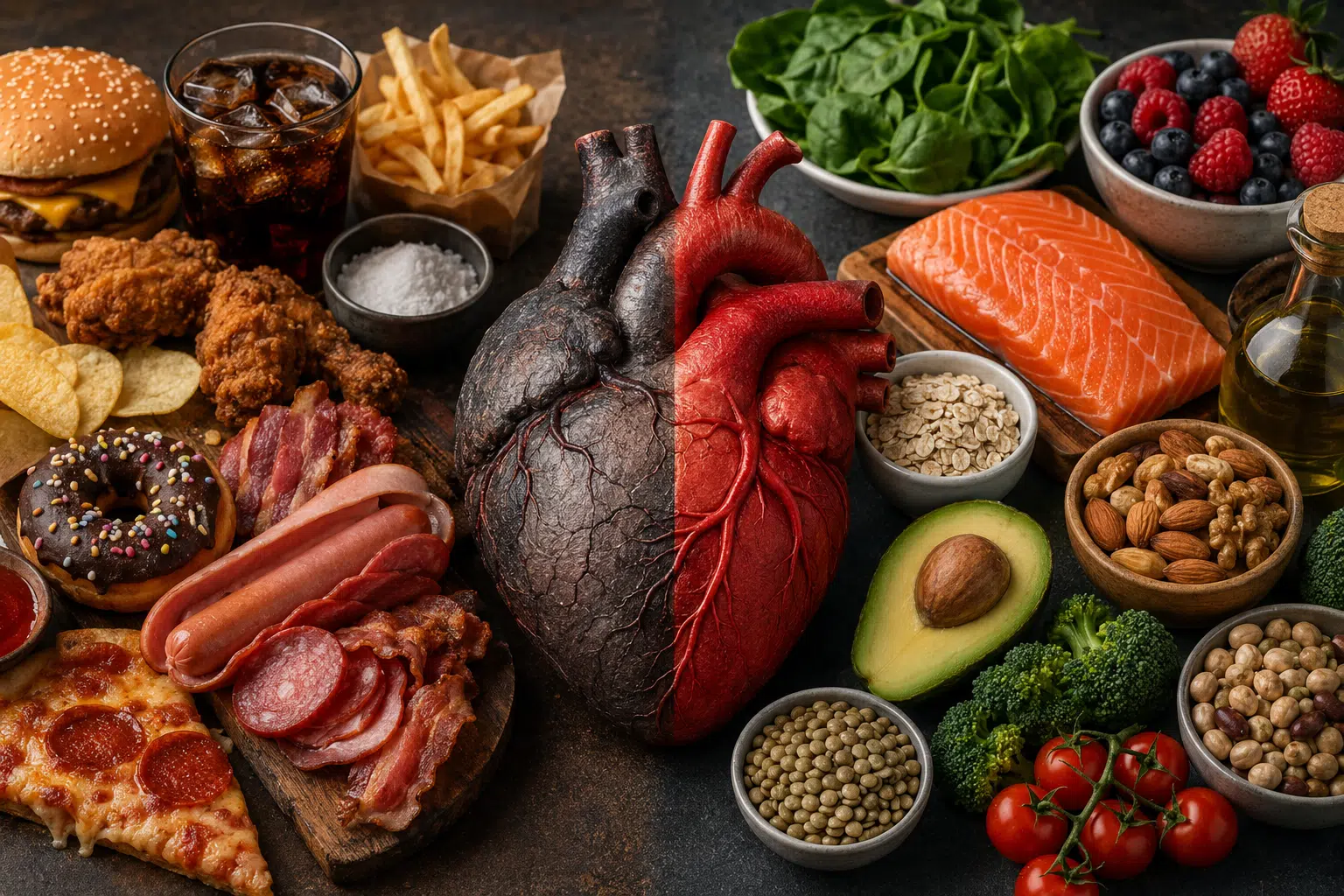
Cardiovascular Benefits

Quinoa is known for its cardiovascular benefits, primarily due to its high content of heart-healthy nutrients. It contains significant amounts of potassium and magnesium, minerals that are essential for blood pressure regulation. These minerals help dilate blood vessels, reducing the strain on the heart and lowering the risk of hypertension.
The grain is also rich in antioxidants, which reduce inflammation and protect the heart. Quinoa’s high fiber content further contributes to heart health by lowering bad cholesterol (LDL) levels, thus reducing the risk of heart disease. Moreover, studies have suggested that regular quinoa consumption can improve overall cholesterol and triglyceride levels, further bolstering cardiovascular health.
Quinoa’s unique anti-inflammatory properties, minerals, and fiber make it an excellent dietary choice for maintaining a healthy heart. Regularly consuming quinoa can be a proactive step in preventing cardiovascular diseases and promoting overall heart health. Its versatility in cooking also makes it an easy addition to any heart-healthy diet.
Quinoa for Bone Health

Quinoa’s benefits extend to improving bone health, primarily due to its high calcium and magnesium content. These minerals are essential for bone strength and density, making quinoa suitable for preventing osteoporosis and other bone-related diseases. Its calcium content is particularly beneficial for individuals who are lactose intolerant or following a vegan diet, as it provides an excellent plant-based calcium source.
In addition to minerals, quinoa’s protein is crucial for bone health. Protein is essential for maintaining and repairing bone tissue, and quinoa’s complete protein profile ensures that all essential amino acids are available for these processes. This is particularly important as people age and their bone density naturally decreases.
Quinoa and its Anti-inflammatory Properties

Quinoa contains powerful antioxidants like quercetin and kaempferol, known for their anti-inflammatory properties. These antioxidants help neutralize harmful free radicals in the body, reducing oxidative stress and inflammation. Chronic inflammation is linked to various diseases, including heart disease, diabetes, and cancer. Thus, consuming antioxidant-rich foods like quinoa can play a role in disease prevention.
Quinoa’s anti-inflammatory effects also benefit those suffering from autoimmune diseases and inflammatory conditions like arthritis. By reducing inflammation, quinoa can alleviate symptoms and improve the quality of life for individuals with these conditions. Its nutrient-rich profile further supports overall health and strengthens the immune system.
Quinoa in a Plant-Based Diet

As a complete protein, quinoa is a staple in plant-based diets. Its ability to provide all nine essential amino acids makes it a valuable protein source for vegetarians and vegans. This is particularly important as protein is often a nutrient of concern in plant-based diets. Quinoa’s versatility allows it to be incorporated into various dishes, ranging from salads and bowls to burgers and desserts, making it easy to include in daily meals.
Moreover, quinoa’s environmental impact is significantly lower than animal-based protein sources. Its cultivation requires less water and land and produces a smaller carbon footprint. This makes quinoa a healthy choice for individuals and a sustainable option for the planet. Consumers can contribute to a more environmentally friendly food system by choosing quinoa.
The Bottom Line
Quinoa is much more than a trendy health food. Its wide range of benefits, from improving digestive health to supporting mental well-being, makes it a valuable addition to any diet. Its versatility in the kitchen and suitability for various dietary needs add to its appeal. Individuals can enjoy its delicious taste and numerous health benefits by incorporating quinoa into their diets. Whether looking to manage weight, improve heart health, or maintain a balanced diet, quinoa is an excellent choice that caters to both health and environmental sustainability. As we continue to explore the links between diet and health, quinoa stands out as a superfood that truly lives up to its name.