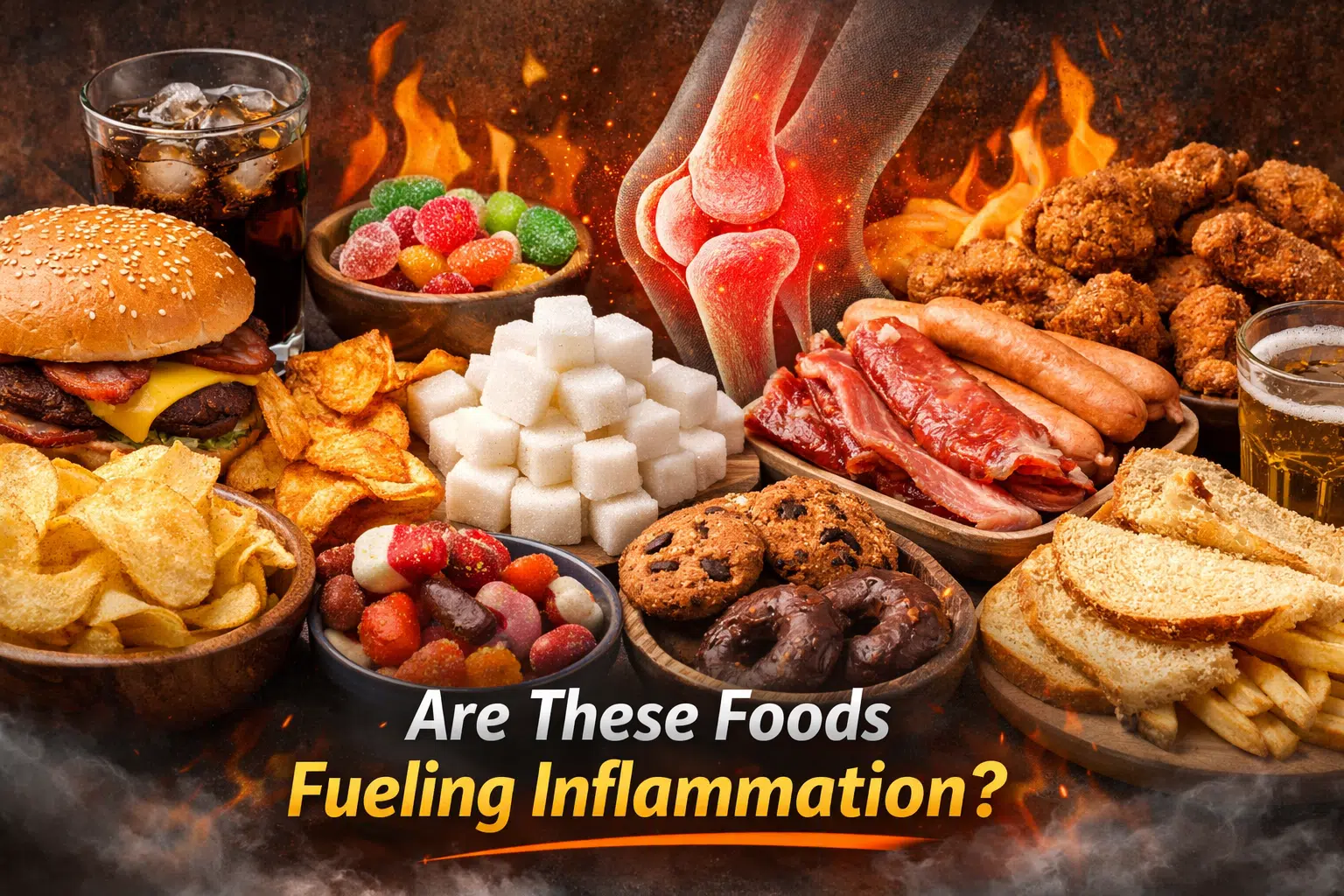
Diet plays a crucial role in the aging process. While no one can stop aging, certain foods can help slow it down and maintain a youthful appearance and good health. An anti-aging diet focuses on nutrient-rich foods that combat oxidative stress, promote skin health, and support overall well-being. This article will explore various foods that should be included in an anti-aging diet, from leafy greens and berries to nuts, seeds, and more. Incorporating these foods into daily meals can improve skin elasticity, reduce inflammation, and support cognitive function, leading to a healthier and more youthful life.
Leafy Greens

Leafy greens like spinach, kale, and Swiss chard are essential to an anti-aging diet. These vegetables are packed with vitamins A, C, and K, vital for skin health and cell regeneration. Vitamin A helps to maintain skin moisture, while vitamin C aids in collagen production, reducing wrinkles and promoting firm skin. Vitamin K plays a crucial role in reducing dark circles and skin discoloration.
In addition to vitamins, leafy greens are rich in antioxidants, which help to combat oxidative stress and reduce the damage caused by free radicals. This antioxidant protection is essential for preventing premature aging and maintaining youthful skin. Moreover, the high fiber content in leafy greens supports digestive health, which is linked to a glowing complexion. Including various leafy greens in the diet can provide various anti-aging benefits, contributing to overall health and vitality.
Berries

Berries, such as blueberries, strawberries, and raspberries, are renowned for their anti-aging properties. These fruits are loaded with antioxidants, including vitamin C and flavonoids, which protect the skin from damage caused by free radicals. Antioxidants in berries help to reduce inflammation, prevent collagen breakdown, and improve skin elasticity, resulting in a more youthful appearance.
Berries also offer other skin benefits due to their high water content, which helps hydrate the skin and maintain suppleness. Additionally, the vitamins and minerals in berries support overall health, including brain function and heart health. Regular consumption of berries can lead to healthier, more radiant skin and contribute to a lower risk of chronic diseases associated with aging.
Nuts and Seeds

Nuts and seeds, including almonds, walnuts, chia seeds, and flaxseeds, are excellent additions to an anti-aging diet due to their high content of healthy fats and other essential nutrients. Omega-3 fatty acids, found abundantly in walnuts and flaxseeds, are known for their anti-inflammatory properties and role in maintaining skin moisture and elasticity. These healthy fats also support heart health and can reduce the risk of cardiovascular diseases often associated with aging.
In addition to healthy fats, nuts and seeds are rich in vitamin E, a powerful antioxidant that protects the skin from oxidative damage and helps to keep it smooth and youthful. Magnesium and selenium in many nuts and seeds also play vital roles in skin health and cellular repair. Incorporating a variety of nuts and seeds into the diet can provide a broad spectrum of nutrients that support anti-aging and overall health.
Fatty Fish

Fatty fish, such as salmon, mackerel, and sardines, are well-known for their high content of omega-3 fatty acids, which offer numerous anti-aging benefits. These healthy fats help to reduce inflammation throughout the body, including the skin, which can prevent and reduce the appearance of fine lines and wrinkles. Omega-3s also promote skin hydration and elasticity, contributing to a smoother and more youthful complexion.
In addition to their skin benefits, omega-3 fatty acids are crucial for maintaining cognitive function and mental sharpness as we age. Consuming fatty fish regularly can support brain health and reduce the risk of age-related cognitive decline. The overall heart health benefits of omega-3s, including lowering the risk of heart disease, make fatty fish an essential component of an anti-aging diet.