

Avocado

Avocado, a unique fruit rich in healthy fats, is a valuable addition to a daily diet. It is high in monounsaturated fats, which benefit heart health and help reduce bad cholesterol levels. Avocado is also a great source of potassium, fiber, and vitamins C, E, and K. Consumption is linked to improved digestion, better skin health, and reduced inflammation.
Eggs

Eggs are among the most nutritious foods, packed with high-quality protein, vitamins, and minerals. They contain B vitamins, essential for energy production, and choline, which is important for brain and liver health. Despite concerns about cholesterol, eggs are now recognized as a heart-healthy food when eaten in moderation.
Eggs can be cooked in various ways, making them one of the most versatile ingredients in the kitchen. They can be boiled, scrambled, poached, or made into omelets. Their easy cooking and wide range of uses make eggs ideal for daily consumption.
The Bottom Line
Incorporating these ten foods into a daily diet can significantly improve overall health and well-being. Each food brings unique nutrients and health benefits, contributing to a balanced and nutritious diet. While variety is key, regular consumption of these foods can provide the necessary vitamins, minerals, and other nutrients for good health. It’s important to remember that no single food can provide all the nutrients the body needs, so a balanced diet combined with a healthy lifestyle is the best approach to maintaining good health. Encouraging readers to incorporate these foods into their daily routine can lead to a healthier, more vibrant life.
Related Posts
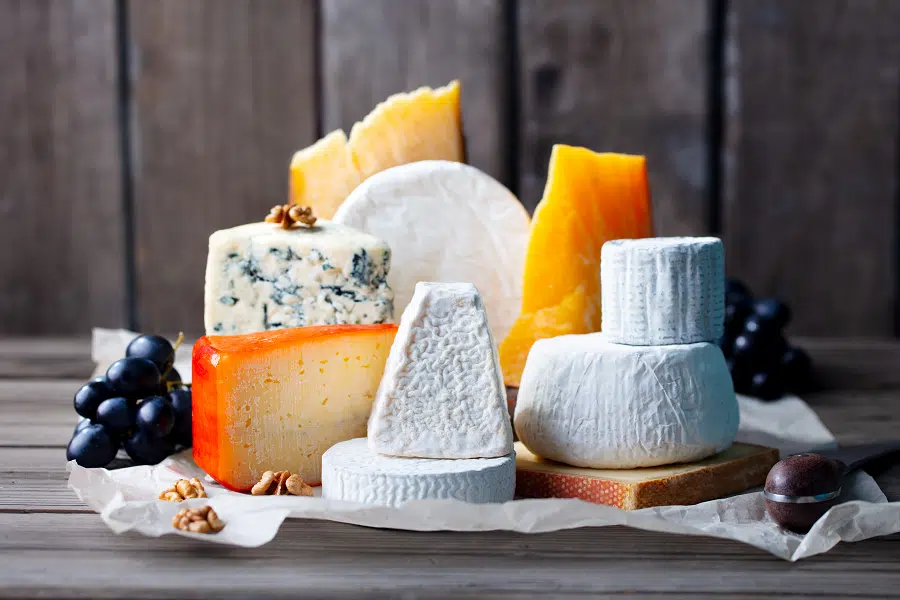
What Happens If You Eat Cheese Daily
Impact On Heart Health Cheese’s impact on heart health is a nuanced subject. While it is a source of cholesterol and saturated fats, which are…

Unhealthy Breakfast Foods To Avoid

Store-bought Fruit Juices Store-bought fruit juices, while often perceived as a healthy beverage choice, can be deceptive in their nutritional value. These juices are typically…

Major Recall Issued For Popular Grocery Items

La Guadalupana Foods LLC Frozen Tamales A Class I recall—the most serious category—was issued for La Guadalupana Foods LLC Mild Pork Tamales after it was…