Contents
Zinc: The Eye’s Mighty Mineral

Zinc is a trace mineral that plays a critical role in transporting Vitamin A from the liver to the retina, which is essential for producing melanin. This pigment protects the eyes from UV light, underscoring zinc’s importance in maintaining healthy vision. Meat, shellfish, and legumes are prime sources of zinc, making it accessible through a variety of dietary choices. Ensuring an adequate zinc intake is key to preventing night vision problems and supporting overall eye health.
Moreover, zinc’s involvement in enzyme reactions within the eye helps maintain the health of the retina and can reduce the risk of age-related macular degeneration (AMD). A deficiency in this vital nutrient can lead to impaired vision and increased susceptibility to eye infections. Therefore, including zinc-rich foods in your diet is an effective way to safeguard eye health and maintain sharp vision as you age.
Lutein and Zeaxanthin: The Colorful Protectors

Lutein and Zeaxanthin are carotenoids found in the eye that filter harmful high-energy wavelengths of light, protecting the eyes from oxidative damage. These nutrients are pivotal in reducing the risk of chronic eye diseases, including cataracts and age-related macular degeneration (AMD). Kale, spinach, and eggs are excellent sources of both Lutein and Zeaxanthin, allowing for easy integration into meals. Regular consumption of these carotenoids is essential for maintaining the health of the macula, the part of the retina responsible for clear central vision.
Studies have shown that a diet rich in Lutein and Zeaxanthin can enhance visual performance and protect against light-induced skin damage. These benefits highlight the importance of incorporating these nutrients into your daily diet. By prioritizing foods high in Lutein and Zeaxanthin, you can actively contribute to the longevity of your eye health and protect against vision impairment.
Vitamin B Complex: The Multifaceted Vitamins
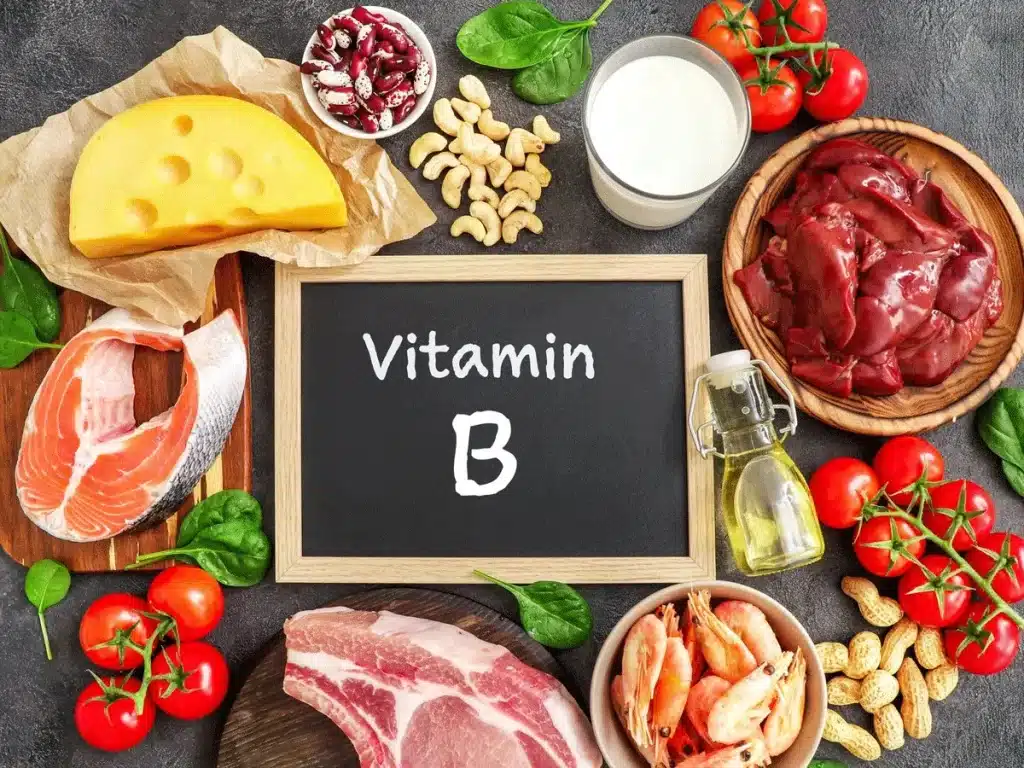
The B Vitamins, including B1, B2, B3, B6, and B12, play a multifaceted role in maintaining eye health. They are involved in the functioning of the nervous system and the health of red blood cells, which directly impacts eye health. Sources for these vitamins vary widely, from animal products like meat and dairy to whole grains and legumes, offering diverse dietary options. These vitamins are crucial for reducing inflammation and preventing age-related eye conditions, such as macular degeneration and glaucoma.
Each B Vitamin serves a unique purpose in supporting eye health. For instance, Vitamin B12 deficiency is linked to vision loss and optic neuropathy, while Riboflavin (B2) is essential for reducing oxidative stress in the eyes. Ensuring a balanced intake of B Vitamins can significantly contribute to eye health, offering protection against various eye conditions. The broad impact of B Vitamins on eye health underscores the importance of a well-rounded diet rich in these nutrients.
Beta-Carotene: The Precursor to Vitamin A
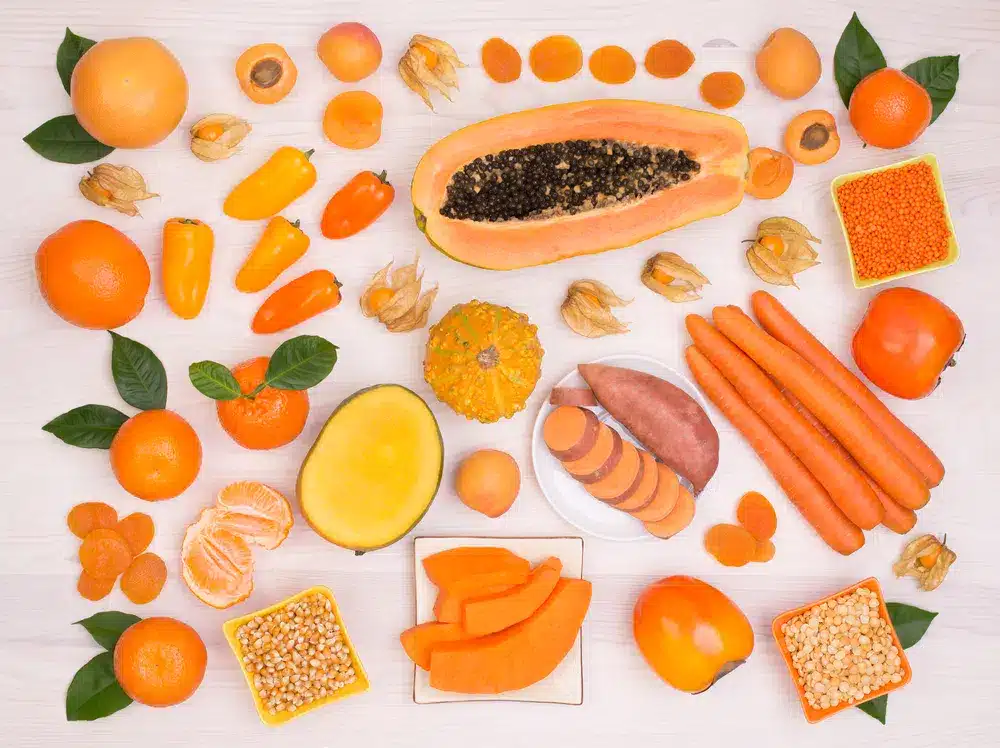
Beta-Carotene is a powerful antioxidant that the body converts into Vitamin A, crucial for good vision, eye health, and overall immunity. Found in colorful fruits and vegetables like carrots, pumpkins, and sweet potatoes, Beta-Carotene not only supports vision but also contributes to the maintenance of healthy skin and mucous membranes. The conversion process from Beta-Carotene to Vitamin A in the body highlights the importance of including a variety of Beta-Carotene-rich foods in your diet to support eye health and vision.
Additionally, beta-carotene’s role as a precursor to vitamin A means that it is essential for preventing conditions such as night blindness and dry eyes, which are common symptoms of vitamin A deficiency. By regularly consuming foods high in Beta-Carotene, you can ensure an adequate intake of Vitamin A, support your eye health, and enhance your body’s natural defenses. Including Beta-Carotene in your diet is a proactive step towards maintaining optimal vision and protecting against age-related eye diseases.
Nourish Your Vision for a Brighter Tomorrow
Nutrition plays a pivotal role in eye health, and understanding the essential vitamins and minerals can make a significant difference in maintaining and enhancing vision. By incorporating foods rich in these nutrients into your daily diet, you’re not only supporting your eyes but also your overall well-being. Let this guide be the first step towards a diet that keeps your vision sharp and your eyes healthy, proving that what you eat truly can help you see a brighter future.