Good eye health and clear vision are essential to navigating daily life, and the proper nutrition plays a pivotal role in achieving this. While many understand the basics of healthy eating, the specific vitamins for eye health often go unnoticed. This post delves into the vitamins vital for maintaining optimal eye health and vision, outlining their benefits, food sources, and the potential risks of deficiency. Whether seeking to enhance night vision, reduce the risk of age-related issues, or simply keep those eyes sparkling, understanding these nutrients is a step toward visual longevity.
Contents
Vitamin A: The Vision Enhancer

Vitamin A is indispensable for vision, particularly in low-light conditions. It is a key component of rhodopsin, a protein in the eyes that allows you to see in dim light. Without adequate Vitamin A, seeing at night becomes more difficult, and one may suffer from night blindness. Foods rich in Vitamin A include carrots, sweet potatoes, and leafy greens, making it easy to incorporate into any meal.
The benefits of Vitamin A extend beyond just night vision. It also plays a crucial role in protecting the cornea and the eye’s surface and is essential for preventing conditions such as dry eyes. However, too little Vitamin A can lead to serious eye issues, including xerophthalmia, a condition that can cause blindness. Thus, ensuring a diet with the right amount of Vitamin A is crucial for maintaining overall eye health.
Vitamin C: The Antioxidant Powerhouse

Vitamin C is not just for warding off colds; it’s a powerful antioxidant that combats free radicals in the eye, potentially reducing the risk of cataract formation and macular degeneration. This vitamin is abundant in the watery portions of the eye, such as the aqueous humor, where it helps maintain ocular health. Citrus fruits, berries, and broccoli are excellent sources of Vitamin C, making it easy to add to your daily diet.
Moreover, Vitamin C contributes to the regeneration of other essential antioxidants, such as Vitamin E, creating a defense system against age-related eye damage. Studies have suggested that a high intake of Vitamin C can slow the progression of age-related ocular conditions, highlighting its significance in eye health. Incorporating Vitamin C into your diet not only supports the immune system but also acts as a preventive measure against eye conditions, underscoring its importance in nutritional regimens focused on eye health.
Vitamin E: The Cell Protector
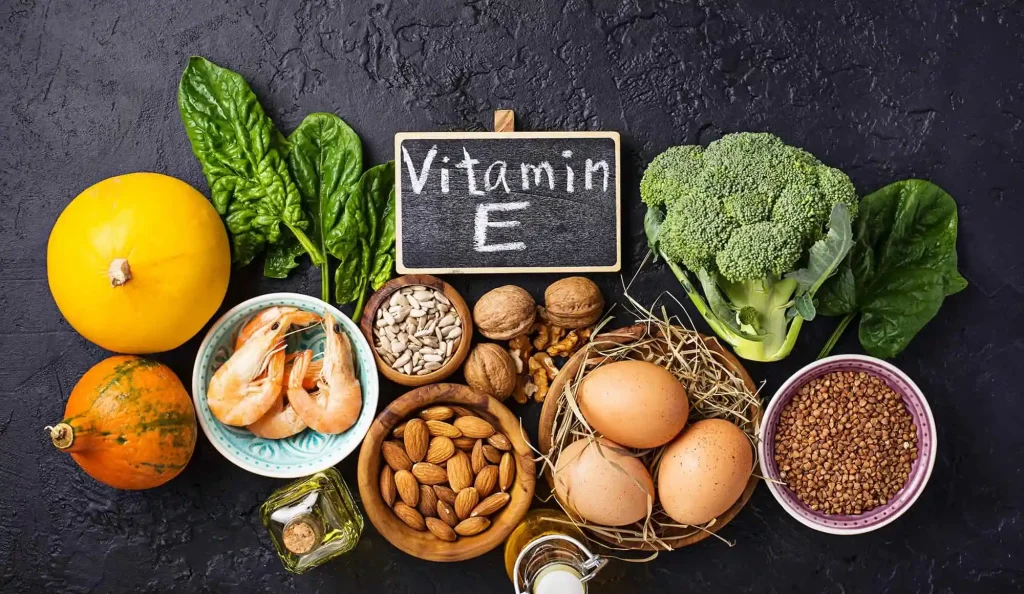
Vitamin E is a fat-soluble antioxidant that protects the eyes from oxidative stress, which can lead to the deterioration of healthy eye tissue. This nutrient is vital for the health of your eyes, particularly in preventing the onset of age-related macular degeneration (AMD), a leading cause of blindness. Foods rich in Vitamin E include nuts, seeds, and green leafy vegetables, offering a range of options for boosting intake.
The protective role of Vitamin E extends to the light-absorbing cells in the retina, where it helps to prevent AMD and cataracts. Regular consumption of Vitamin E-rich foods can significantly contribute to the structural integrity of the eye’s cells, ensuring long-term health and functionality. Given its role in eye health, Vitamin E should be a staple in any diet focused on maintaining vision and preventing age-related eye conditions.
Omega-3 Fatty Acids: Vision and Dry Eyes

Omega-3 fatty acids are essential fats that play a significant role in eye health, particularly in preventing and managing dry eyes. These fats contribute to the visual development and retinal function, with DHA, a type of Omega-3, being a major structural component of the retina. Omega-3s can be found in fish, flaxseeds, and walnuts, providing a variety of options for dietary inclusion.
Research indicates that Omega-3 fatty acids can improve eye moisture, reducing the symptoms of dry eye syndrome, a condition that affects millions globally. Furthermore, Omega-3s have been linked to a lower risk of macular degeneration and glaucoma, showcasing their broad benefits for eye health. For those looking to protect their vision and enhance eye moisture, incorporating Omega-3 fatty acids into the diet is a beneficial strategy.