

Store Food Properly

One of the best ways to reduce food waste is to store it properly. Doing this means understanding the ideal conditions for storing certain types of food and ensuring that these conditions are met. This means putting fruits and vegetables into separate bins in the refrigerator, not leaving foods in their original packages that can be exposed to too much air and moisture, or regularly wiping down shelves where stored foods may have gathered dust.
Compost Your Scraps

Reducing food waste is an essential part of living more sustainably. One of the best ways to reduce food waste at home is to compost your scraps. Composting is the process of taking organic material such as vegetable and fruit peels, eggshells, and coffee grounds and transforming them into nutrient-rich soil over time.
When done correctly, composting can be a beneficial and cost-effective tool for reducing food waste — so let’s turn those scraps into something useful! Composting is a great way to use those minor “scrap” pieces from meals. It also supports healthier growing conditions for plants and yards alike by replenishing nutrients in the soil that result from plant growth and other lawn maintenance remedies.
Limit Your Food Waste With These Tips!
Start reducing food waste. You can do many things to limit food waste in your home, from storing foods properly to utilizing leftovers and using your freezer creatively. Other tips include composting scraps and using the nutrient-rich soil that results. Implementing these simple strategies can reduce your carbon emissions, save time and money, and help protect our environment from harmful food waste.
Related Posts
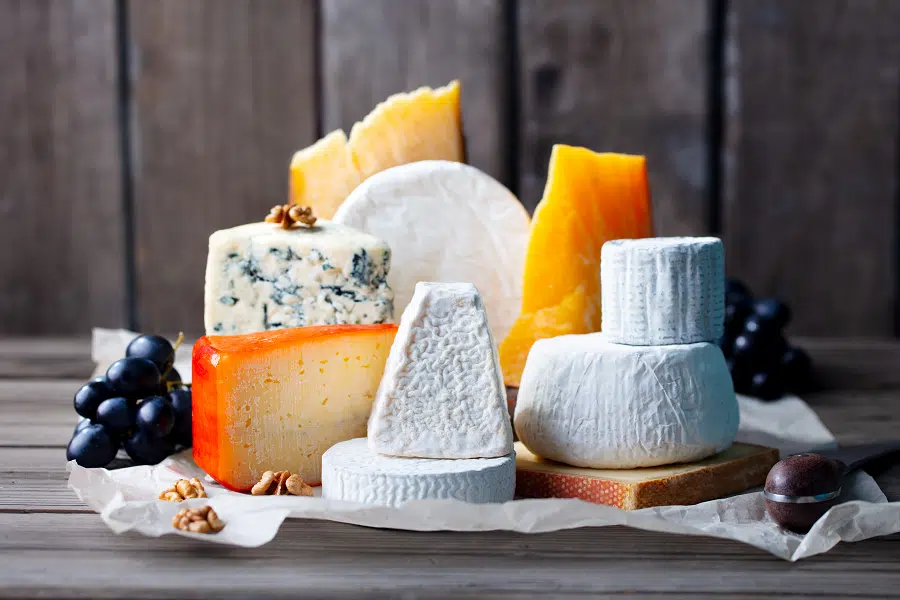
What Happens If You Eat Cheese Daily
Impact On Heart Health Cheese’s impact on heart health is a nuanced subject. While it is a source of cholesterol and saturated fats, which are…
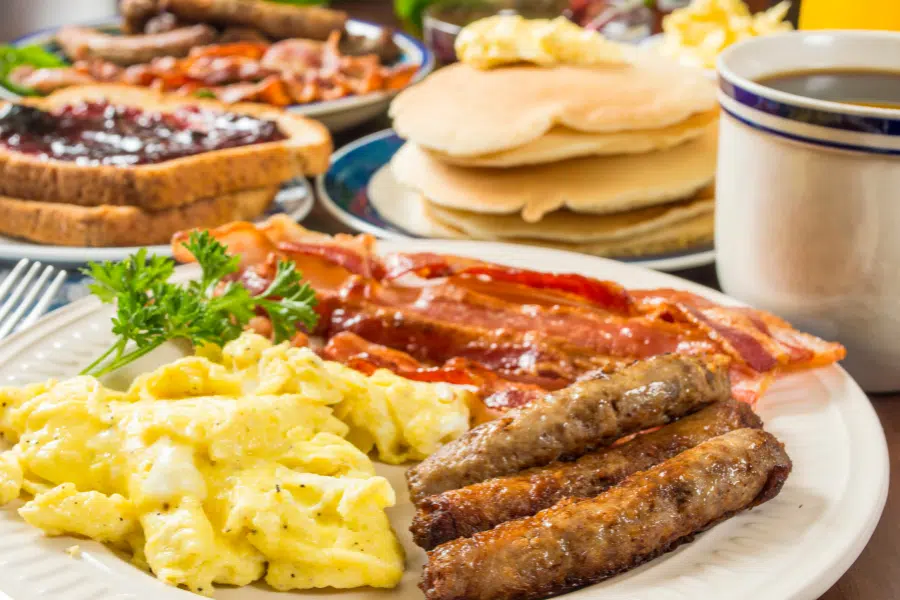
Unhealthy Breakfast Foods To Avoid

Store-bought Fruit Juices Store-bought fruit juices, while often perceived as a healthy beverage choice, can be deceptive in their nutritional value. These juices are typically…
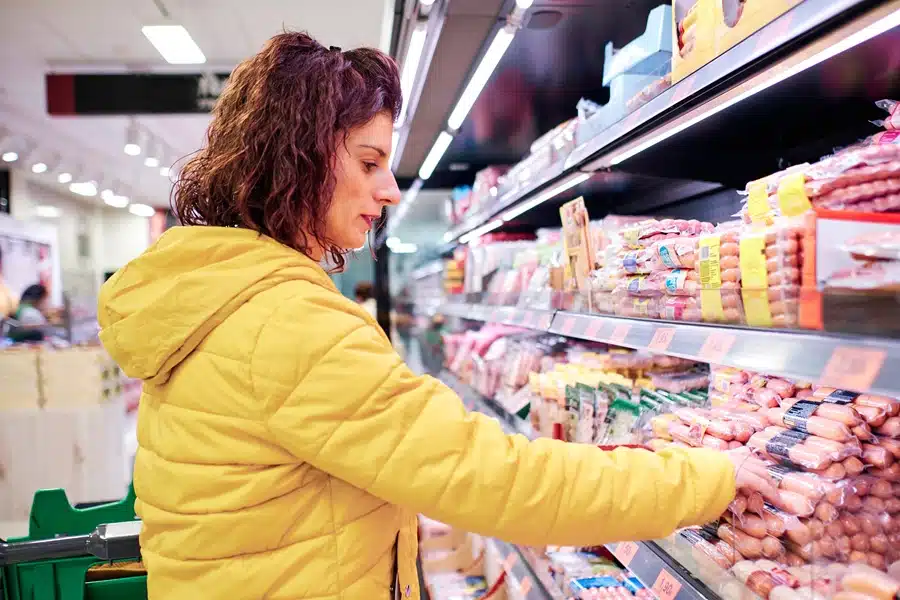
Major Recall Issued For Popular Grocery Items

La Guadalupana Foods LLC Frozen Tamales A Class I recall—the most serious category—was issued for La Guadalupana Foods LLC Mild Pork Tamales after it was…