Health Implications of Low-Fat Diets

The impact of low-fat diets on health outcomes has been extensively studied, with mixed results influencing public and scientific opinion. Research links low-fat diets with both positive outcomes, such as reduced cholesterol levels, and less favorable effects, such as increased carbohydrate consumption, which can lead to weight gain and metabolic syndrome. These findings suggest that the effectiveness of low-fat diets may vary significantly based on individual health conditions and dietary balance.
Furthermore, the long-term sustainability of low-fat diets is questionable, as they might lead to increased consumption of processed foods rich in sugars and low in nutrients. This dietary shift can paradoxically lead to health issues similar to those attributed to high fat intake, such as type 2 diabetes and heart disease. It becomes imperative to consider these potential risks when choosing a low-fat diet, emphasizing the need for a well-rounded approach to eating and health management.
Psychological Effects of Eating Low-Fat

The decision to choose low-fat foods often comes with psychological implications, driven by societal pressures and media portrayal of ideal health standards. Many individuals choose low-fat options in the hopes of achieving weight loss or maintaining a certain body image, influenced by the pervasive idea that “less fat” equates to “healthier.” This mindset can lead to unhealthy eating patterns, such as restrictive diets that may not meet the body’s actual nutritional needs. Understanding these psychological drivers is crucial for developing a healthier relationship with food that goes beyond fat content.
Moreover, the stress associated with eating “perfectly” can lead to a phenomenon known as orthorexia, an obsession with eating food that one considers healthy. This condition is seldom discussed but can have serious implications for mental and physical health. Recognizing the signs of such eating behaviors and addressing them can help prevent the negative mental health outcomes associated with overly restrictive diets.
Consumer Perception and Behavior

The “health halo” effect is a significant factor in how low-fat foods influence consumer behavior. This phenomenon occurs when people perceive a food as healthier due to its labeling, leading them to consume larger portions than they would of regular versions. This misperception can contribute to an overall increase in calorie intake, counteracting any benefits gained from choosing low-fat options. It is essential for consumers to be aware of how their perceptions of health claims affect their eating habits and overall diet quality.
Additionally, the presence of low-fat labels can sometimes overshadow other essential dietary considerations, such as the presence of high sodium or sugar levels. Consumers may overlook these factors, focusing solely on fat content, which can lead to unbalanced eating habits. Educating oneself about all aspects of food labeling and nutrition is crucial in making truly healthy choices that extend beyond fat content to include a holistic view of what constitutes a healthful diet.
Alternatives to Low-Fat Products

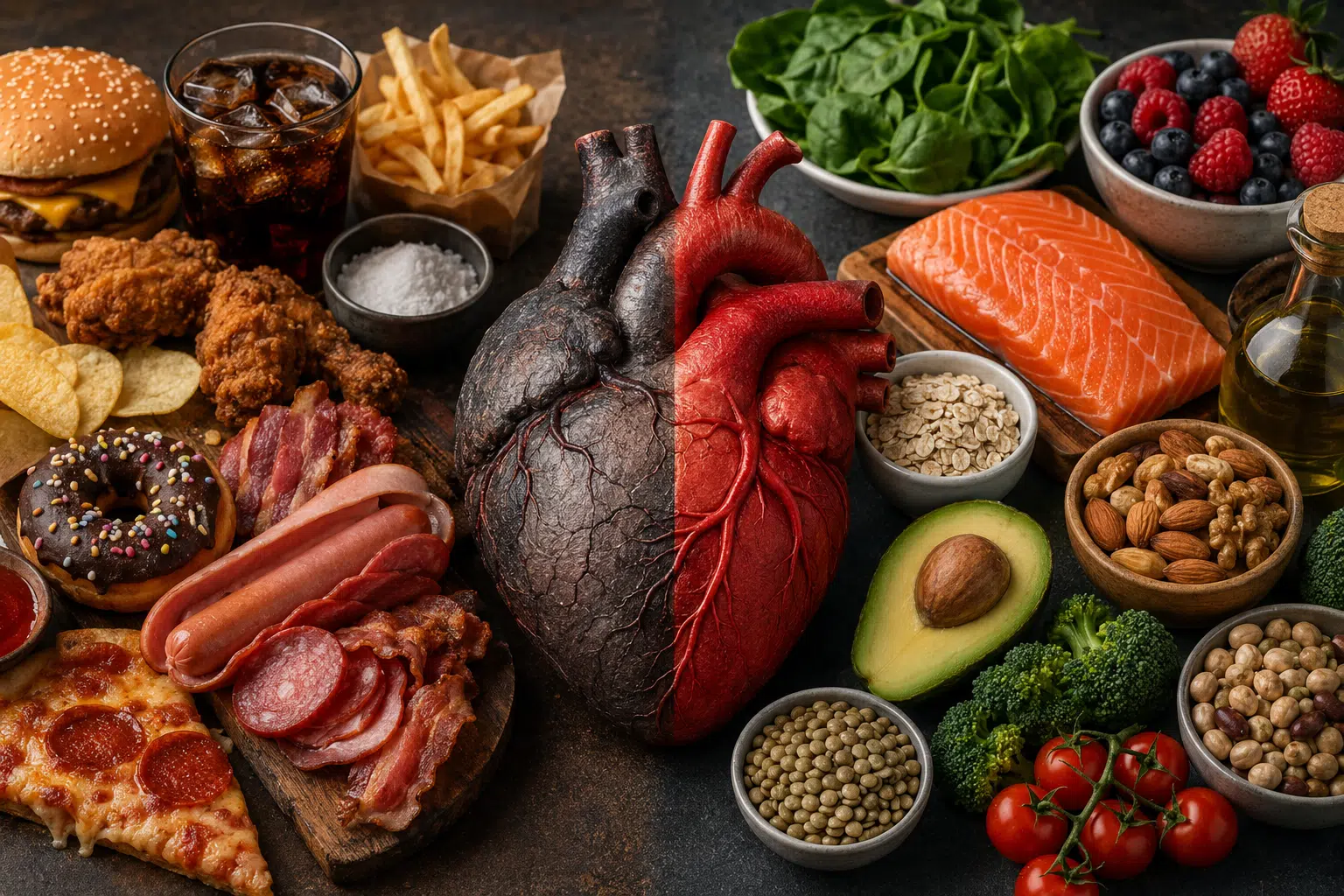
Instead of relying heavily on processed low-fat products, consumers can benefit from incorporating whole foods that naturally contain beneficial fats. Foods like avocados, nuts, seeds, and fatty fish provide essential fats that support health without the need for artificial modification. These natural fat sources are rich in nutrients and help maintain longer satiety, which can aid in weight management and overall metabolic health. Shifting focus towards whole foods can help maintain a balanced diet while still enjoying the benefits of healthy fats.
Encouraging the consumption of balanced, unprocessed fats also involves educating consumers on the importance of moderation and variety in their diet. By understanding the roles different fats play in the body and their impact on health, individuals can make informed decisions that go beyond simply choosing products based on fat content. This approach supports a sustainable and healthy lifestyle, promoting long-term well-being over short-term dietary trends that focus on the elimination of specific macronutrients.
Rethinking Low-Fat Choices
The allure of low-fat foods as a healthier choice is compelling but oversimplified. Such options often involve trade-offs, like increased sugars or artificial additives, that might compromise their supposed benefits. It’s essential for consumers to critically assess not just the fat content but the entire nutritional profile of their foods. By fostering awareness and understanding around these issues, individuals can make dietary choices that are genuinely healthful, steering clear of trends and focusing on balanced nutrition.