
Food additives are ubiquitous in the modern food supply, found in everything from packaged snacks to canned vegetables. These substances, whether natural or synthetic, are added to foods to enhance flavor, appearance, or shelf life. While food additives have made our food more convenient and enjoyable, their impact on health has become a topic of growing concern. Understanding the types of additives used, their purposes, and their potential health risks is crucial for making informed dietary choices. This article explores the world of food additives, delving into their roles in food production, associated health concerns, and steps you can take to minimize potential risks.
What Are Food Additives?
 ezstandalone.cmd.push(function () { ezstandalone.showAds(128); });
Health Concerns Linked to Food Additives

Despite their benefits, food additives have been linked to various health concerns, prompting scrutiny from researchers and consumers alike. Some additives may cause adverse reactions in sensitive individuals, leading to symptoms such as headaches, digestive issues, or allergic reactions. For example, certain artificial colorants and preservatives have been associated with hyperactivity and behavioral changes in children, raising concerns about their impact on developing brains.
Long-term exposure to certain additives has also been implicated in chronic health conditions. Some studies suggest that artificial sweeteners like aspartame and saccharin may be linked to metabolic disorders, including obesity and diabetes. Additionally, preservatives such as sodium nitrate and nitrite, commonly used in processed meats, have been associated with an increased risk of cancer. While regulatory agencies set acceptable daily intake levels to mitigate these risks, ongoing research is essential to fully understand the long-term health effects of food additives and to ensure consumer safety.
Controversial Food Additives to Watch Out For

Certain food additives have garnered significant controversy due to their potential health risks. Artificial sweeteners like aspartame and saccharin, used in diet sodas and sugar-free products, have been linked to metabolic issues and increased appetite, potentially leading to weight gain and diabetes. Some studies also suggest that aspartame may have neurotoxic effects, though the evidence remains inconclusive. Another controversial additive is monosodium glutamate (MSG), a flavor enhancer that some individuals report as causing headaches, flushing, and other symptoms collectively known as “Chinese Restaurant Syndrome.”
Artificial colorants, such as Red 40 and Yellow 5, have also raised health concerns, particularly regarding their impact on children’s behavior. Research has indicated a possible link between these colorants and hyperactivity in children, leading some regulatory bodies to require warning labels on foods containing these dyes. Preservatives like sodium benzoate and butylated hydroxyanisole (BHA) have been scrutinized for their potential carcinogenic effects. While these additives are generally recognized as safe (GRAS) by regulatory agencies, their long-term health impacts remain a topic of active investigation and debate.
Related Posts

The Ultimate Guide to Amazon’s 2026 Labor Day Deals

.ug-labor-day-2026 * { box-sizing: border-box; } .ug-labor-day-hero { background: linear-gradient(135deg, #131921 0%, #232F3E 100%); padding: 60px 30px; border-radius: 12px; margin-bottom: 40px; position: relative; overflow: hidden;…
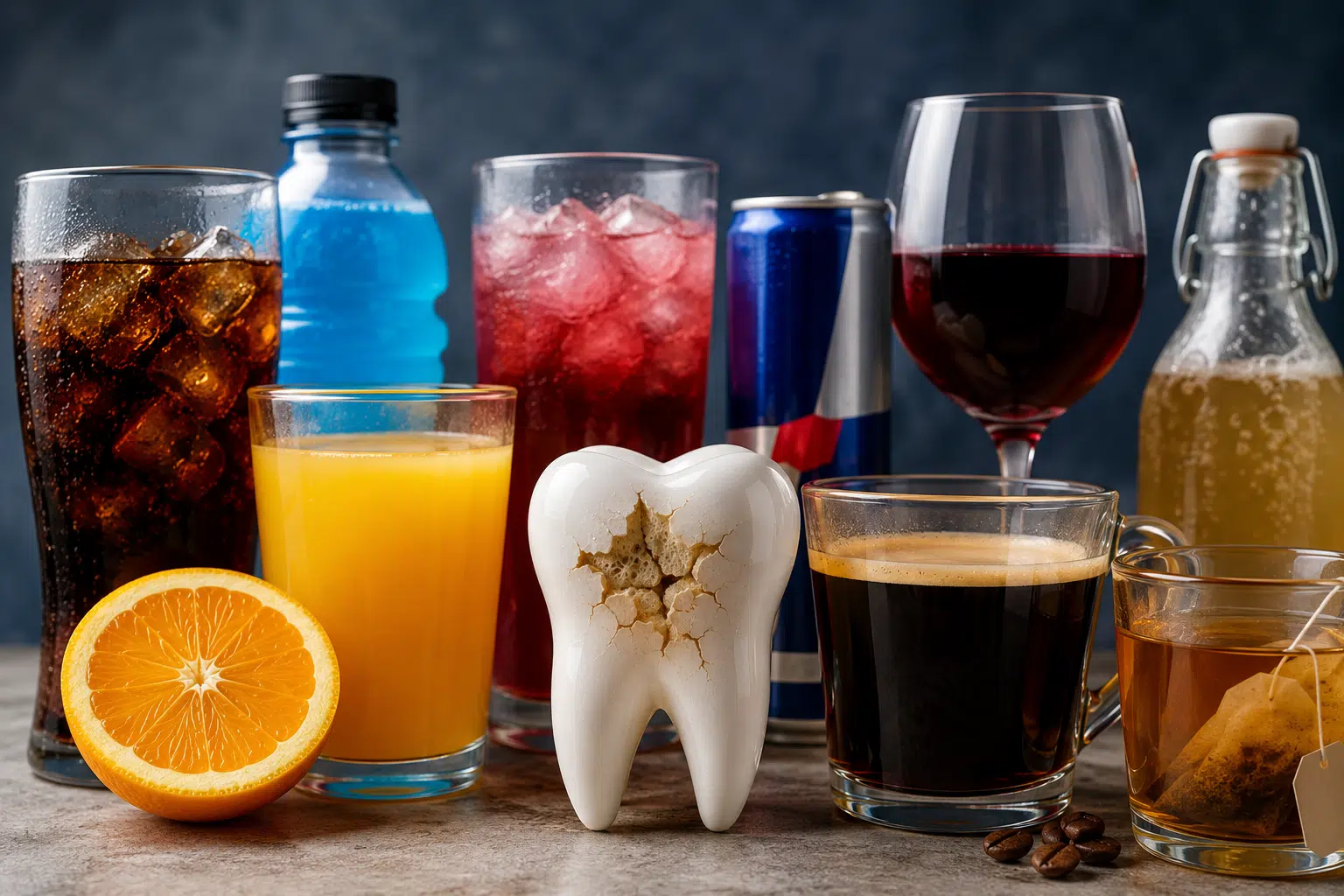
Drinks That Are Damaging Your Teeth
.hfm-ddt-wrap { font-family: ‘Nunito’, sans-serif; color: #222; max-width: 860px; margin: 0 auto; background: transparent; line-height: 1.8; } /* ── HERO ───────────────────────────────────── */ .hfm-ddt-hero { background:…
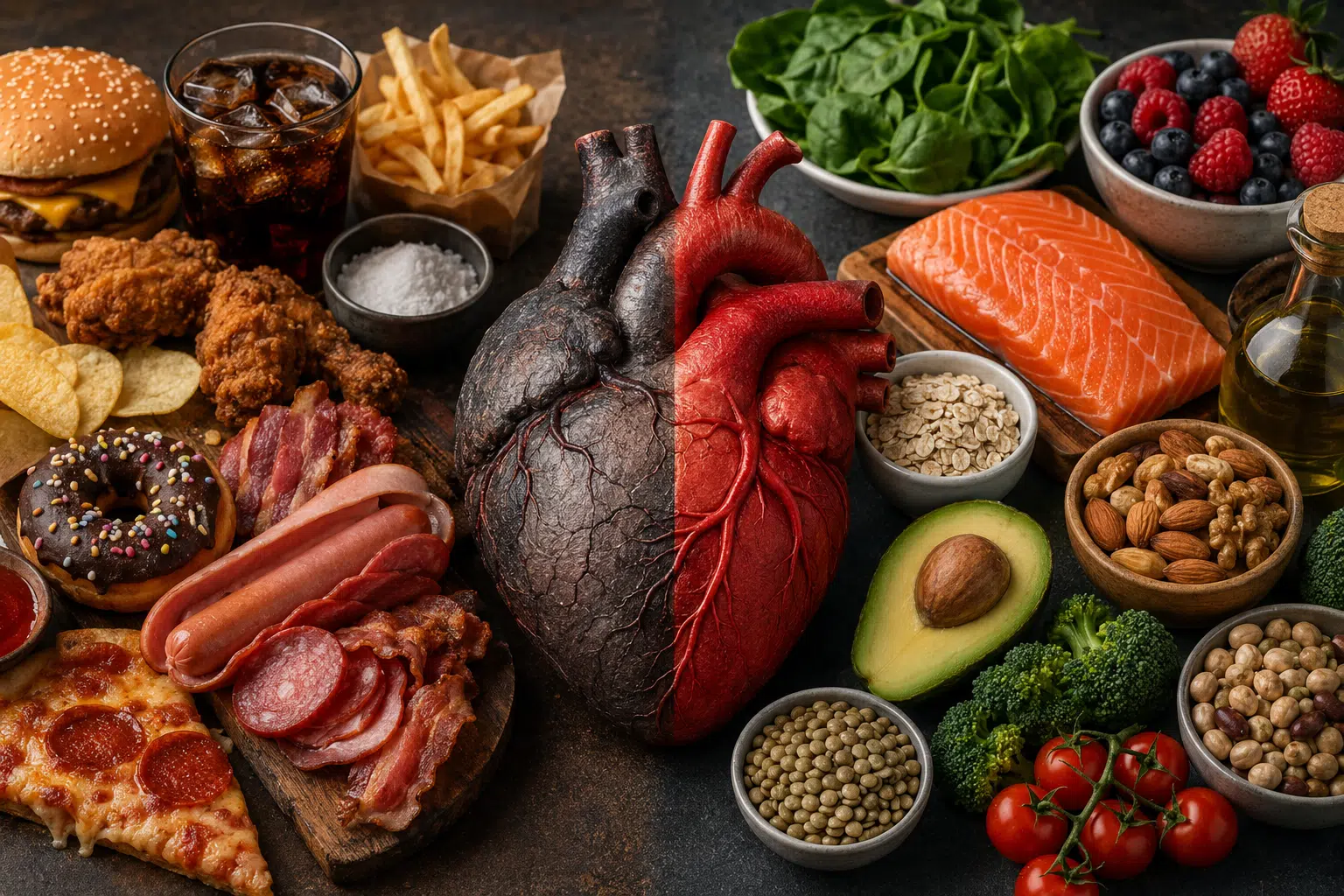
The 7 Worst Foods for Your Heart

*, *::before, *::after { box-sizing: border-box; margin: 0; padding: 0; } .hfm-wrap { font-family: ‘Source Serif 4’, Georgia, serif; color: var(–hfm-text); background: transparent; max-width: 860px;…