

Anthocyanins As Potential Cancer Fighters

Anthocyanins’ potential extends into the realm of oncology, where their antioxidant properties could provide protection against certain types of cancer. By neutralizing harmful free radicals – unstable molecules that can cause DNA damage – anthocyanins could play a preventative role in the development of cancer, thereby serving as a promising area of exploration for cancer prevention strategies.
The Role Of Anthocyanins In Managing Diabetes

Anthocyanins could also prove to be a valuable asset in managing type 2 diabetes. They have been shown to improve insulin sensitivity – a critical factor in controlling blood sugar levels. Consequently, anthocyanins could potentially be employed to prevent or manage this chronic condition.
Moreover, studies have demonstrated that anthocyanins can help maintain blood sugar levels, preventing sudden spikes and drops that can be detrimental to individuals with diabetes. This regulatory effect of anthocyanins highlights their potential therapeutic value in diabetes management.
Anthocyanins As A Weight Management Aid

Anthocyanins may also assist in managing body weight. Research indicates that these compounds can influence fat metabolism and reduce obesity-related inflammation. By doing so, they could contribute to maintaining a healthy weight and preventing obesity.
Interestingly, a study found a correlation between consuming anthocyanin-rich foods and a lower body mass index (BMI). This suggests that integrating foods high in anthocyanins into your diet could support weight management efforts, thereby promoting overall health and wellbeing.
Conclusion
In summary, anthocyanins are a treasure trove of potential health benefits. They not only lend captivating colors to your favorite fruits and vegetables but also offer a myriad of health-promoting properties. Whether it’s heart health, brain function, cancer prevention, or weight management, the potential benefits of these compounds are expansive. The next time you spot bright purple grapes or vibrant blueberries in your local grocery store, remember you’re seeing more than just a visually appealing fruit – you’re witnessing a natural powerhouse of health-boosting anthocyanins. By incorporating these into your diets, you can harness the benefits of nature’s colorful palette to support your health in a delicious and nutritious way.
Related Posts
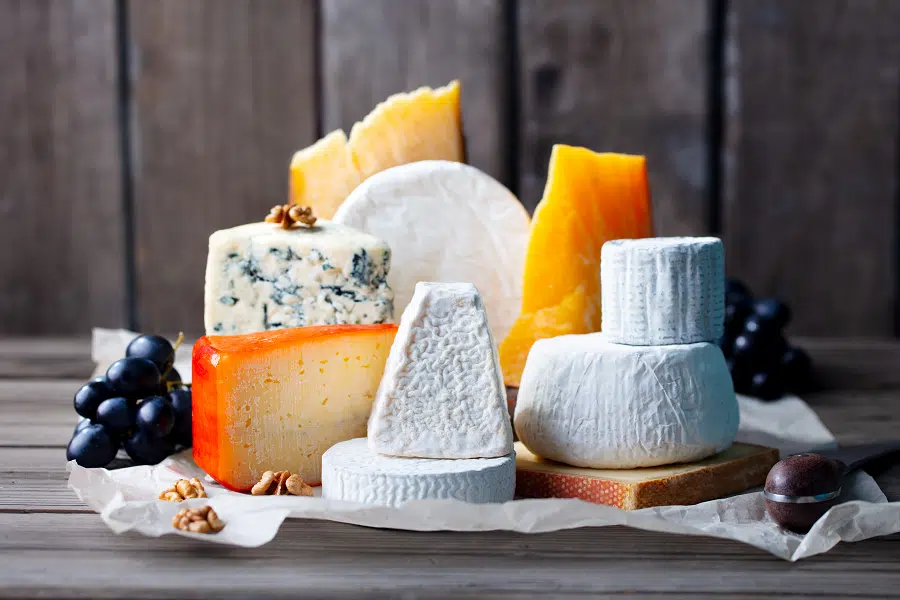
What Happens If You Eat Cheese Daily

Impact On Heart Health Cheese’s impact on heart health is a nuanced subject. While it is a source of cholesterol and saturated fats, which are…

Unhealthy Breakfast Foods To Avoid

Store-bought Fruit Juices Store-bought fruit juices, while often perceived as a healthy beverage choice, can be deceptive in their nutritional value. These juices are typically…

Major Recall Issued For Popular Grocery Items

La Guadalupana Foods LLC Frozen Tamales A Class I recall—the most serious category—was issued for La Guadalupana Foods LLC Mild Pork Tamales after it was…