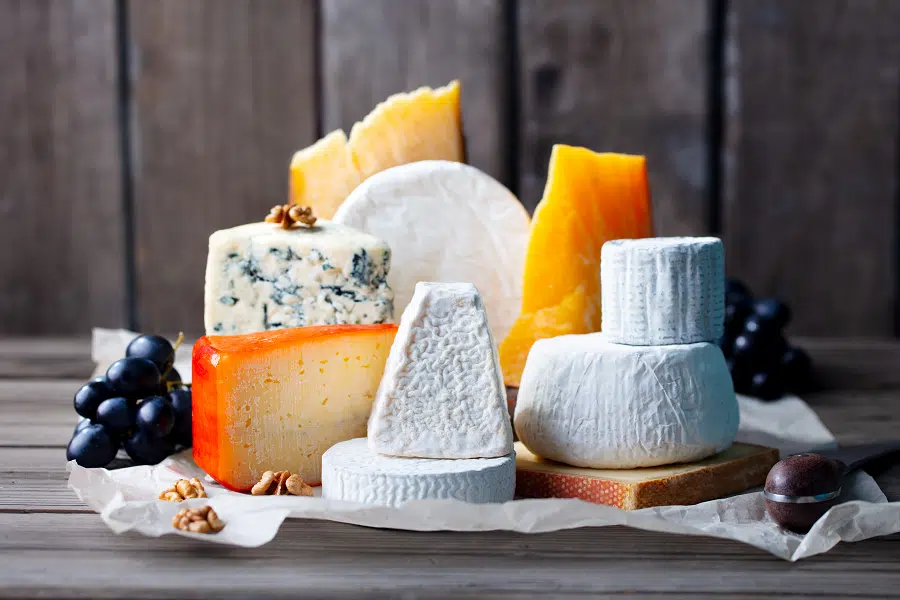
Culinary Diversity

Exploring different protein sources can significantly enhance your culinary experience, introducing a delightful variety of flavors and textures to your meals. Each protein source, from the earthiness of lentils to the richness of salmon, brings its unique taste profile, enhancing meal enjoyment and encouraging culinary creativity. Experimenting with different proteins, such as substituting meat with tofu in traditional dishes, can lead to discovering new favorite recipes and cooking techniques. This approach keeps your meal routine fresh and engaging, preventing dietary boredom.
Moreover, this culinary adventure can be a gateway to exploring different cultures and their cuisines. Many cultures around the world have unique ways of preparing and incorporating various proteins into their diets. By diversifying your protein sources, you open yourself up to a world of culinary traditions, from the bean-based dishes of Mexican cuisine to the tofu-centric recipes of East Asian fare. This not only broadens your culinary horizons but also fosters a deeper appreciation and understanding of global food cultures.
Weight Management And Muscle Building

Alternating protein sources can be a strategic approach in weight management and muscle building. Different proteins have varying effects on satiety, metabolism, and muscle synthesis, which can be leveraged to achieve specific health and fitness goals. For instance, whey protein is often favored for muscle building due to its high leucine content and fast absorption, making it ideal for post-workout recovery. On the other hand, plant-based proteins, with their high fiber content, can enhance satiety and aid in weight management by keeping you fuller for longer.
Additionally, the role of different protein types in metabolism is an essential factor in both muscle building and weight management. Animal proteins generally have a higher thermic effect, meaning they require more energy to digest, absorb, and metabolize, which can be beneficial for weight loss efforts. Plant proteins, while lower in some essential amino acids, can be combined to form complete proteins and are often accompanied by other beneficial nutrients like fiber and antioxidants. This combination ensures that your body receives all the necessary components for muscle repair and growth, while also supporting a healthy metabolism.
Catering To Dietary Restrictions And Preferences

Incorporating a variety of protein source
s is particularly beneficial for those with dietary restrictions or preferences, such as vegetarians, vegans, or individuals with specific food intolerances. By exploring different protein options, it becomes easier to meet nutritional needs without relying on a limited set of foods. For example, vegetarians and vegans can obtain essential amino acids by combining different plant-based proteins, such as rice and beans, which together form a complete protein. This approach ensures that individuals following plant-based diets receive a balanced intake of all essential amino acids.Furthermore, alternating protein sources allows for inclusivity in meal planning, accommodating the diverse dietary needs and preferences of family members or guests. It ensures that everyone, regardless of their dietary restrictions, can enjoy nutritious and satisfying meals. This is particularly important in social settings or family meals, where a variety of dietary needs may need to be met. By incorporating a range of protein sources, from tofu and tempeh to lean meats and dairy, you can create meals that are not only nutritionally complete but also welcoming and enjoyable for everyone at the table.
Psychological And Social Benefits

Diversifying protein sources can also have positive psychological and social impacts. From a psychological perspective, variety in diet is linked to greater overall satisfaction with meals. This satisfaction is not just about taste but also about the feeling of taking proactive steps towards a healthier lifestyle. Knowing that you are consuming a range of nutrients from different sources can lead to a greater sense of well-being and dietary fulfillment. Additionally, the act of exploring and experimenting with new foods can be a source of joy and a way to break the monotony of a routine diet.
Socially, having a varied diet can make you more adaptable and comfortable in different dining settings, whether it’s a friend’s dinner party or a new ethnic restaurant. Being open to different protein sources means you’re more likely to find something enjoyable and nutritious to eat in diverse social situations. This adaptability can enhance your social experiences, making dining out more enjoyable and less stressful, especially when faced with unfamiliar menus or dietary options.
Embrace The Diversity In Your Protein Choices
The benefits of alternating protein sources are vast, encompassing nutritional balance, health, environmental sustainability, economic considerations, and much more. This approach not only enriches your diet but also contributes positively to your overall well-being and the planet. So, take this opportunity to diversify your protein intake. Explore new flavors, support sustainable practices, and enjoy the myriad benefits that come with a varied protein-rich diet. Your body, taste buds, and the environment will thank you!