Skip to content

Things To Know About Postbiotics

Postbiotics, a relatively new term in the world of health and wellness, are gaining significant attention for their potential benefits. Unlike probiotics and prebiotics, postbiotics are non-living microbial byproducts that have a profound impact on health. This article delves into the fascinating world of postbiotics, exploring their nature, benefits, and the science behind them. As you read on, you’ll discover how these powerful compounds are shaping the future of nutritional science and personal health.

Exploring The Basics Of Postbiotics

Postbiotics

Postbiotics represent a unique aspect of nutritional science, distinct from their better-known counterparts, probiotics, and prebiotics. Essentially, they are the byproducts produced during the fermentation process of probiotics. These substances include enzymes, peptides, polysaccharides, cell wall fragments, and organic acids. Understanding their nature is crucial in appreciating their role in health and wellness. Postbiotics are gaining recognition for their stability and potential health benefits, which are not dependent on the viability of live bacteria.

The production of postbiotics is a complex process, primarily occurring through the fermentation of probiotics. During this process, beneficial bacteria break down food components, resulting in the formation of bioactive compounds. These compounds are what is referred to as postbiotics. The advantage of postbiotics lies in their non-living nature, which eliminates concerns about shelf life and storage conditions that are common with probiotic supplements. This stability makes them a versatile and practical option for enhancing health.

The Science Behind Postbiotics

Postbiotics

Delving deeper into the science of postbiotics, it’s essential to understand their production process. This process involves the fermentation of beneficial bacteria, which then produce a variety of bioactive compounds. These compounds include short-chain fatty acids like butyrate, acetate, and propionate, which are crucial for gut health. Additionally, postbiotics contain functional bioactive peptides, vitamins, and minerals, contributing to their health-promoting properties.

The types of compounds present in postbiotics vary depending on the type of bacteria used and the fermentation conditions. This variability leads to a wide range of postbiotic products, each with unique properties and potential health benefits. The role of fermentation is not just to produce these compounds but also to modify them into forms that are more easily utilized by the body. This process enhances their bioavailability and efficacy, making postbiotics a potent tool in health maintenance and disease prevention.

Health Benefits

Postbiotics

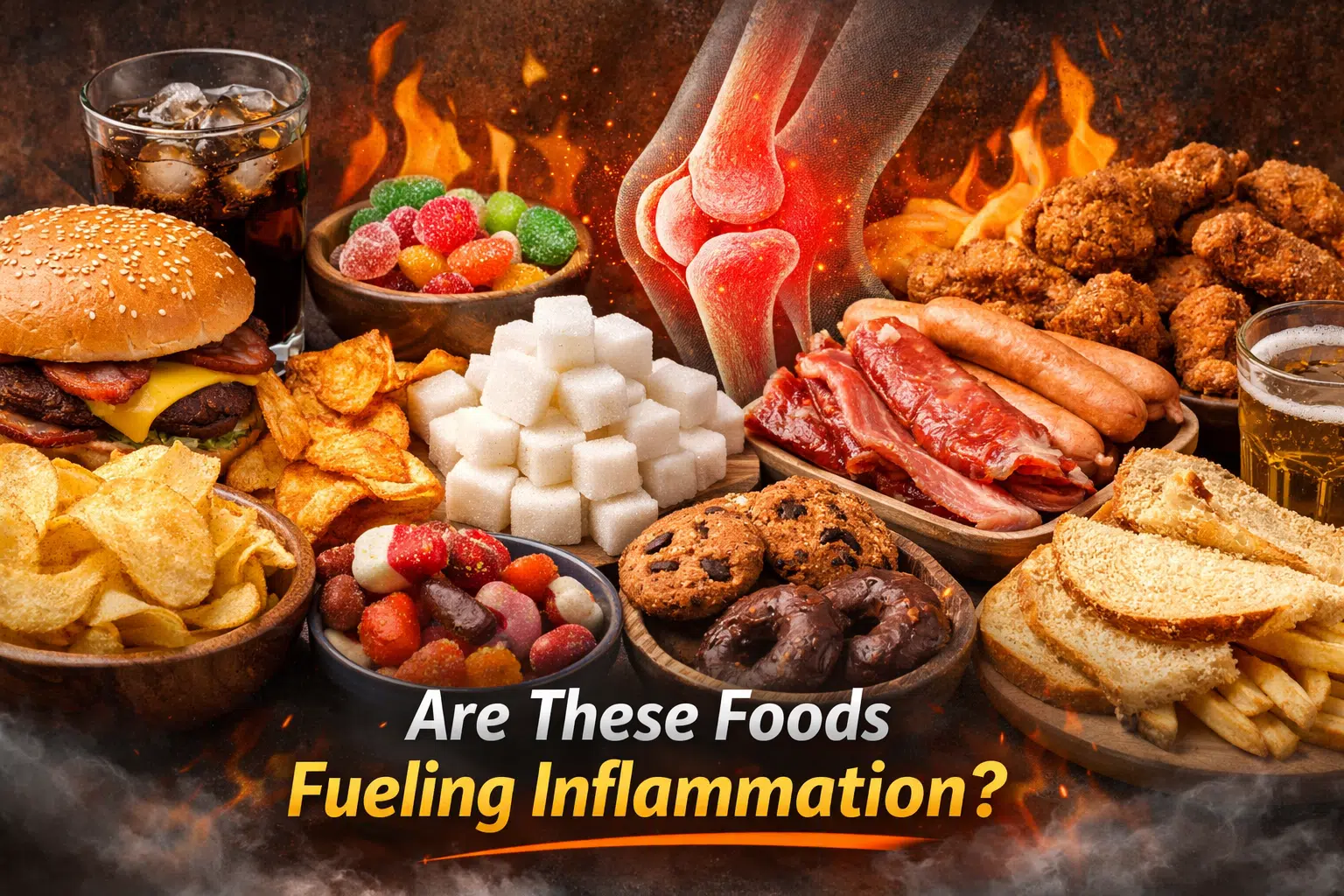
Postbiotics offer a myriad of health benefits, primarily due to their role in supporting the immune system. They help in modulating immune responses, reducing inflammation, and enhancing the body’s defense mechanisms. This makes them particularly beneficial in managing conditions like allergies, asthma, and autoimmune diseases. Their anti-inflammatory properties are also crucial in preventing chronic diseases and promoting overall health.

Another significant benefit of postbiotics is their positive impact on gut health. They help in maintaining the integrity of the gut lining, preventing harmful substances from entering the bloodstream. This action is essential in preventing conditions like leaky gut syndrome and other digestive disorders. Additionally, postbiotics play a role in regulating the gut microbiota, promoting the growth of beneficial bacteria, and inhibiting harmful ones. This balance is vital for optimal digestive health and can also influence metabolic health, potentially aiding in weight management and reducing the risk of metabolic disorders.

Postbiotics In Foods And Supplements

Postbiotics

Postbiotics are found in various fermented foods, which have been part of human diets for centuries. Foods like yogurt, kefir, sauerkraut, and kimchi are natural sources of these beneficial compounds. The fermentation process in these foods not only enhances their flavor and shelf life but also enriches them with health-promoting postbiotics. Incorporating these foods into your diet is an easy way to reap the benefits of postbiotics.

In addition to natural food sources, postbiotics are also available in supplement form. These supplements are designed to deliver concentrated doses of postbiotic compounds, offering a convenient option for those looking to boost their intake. When choosing postbiotic supplements, it’s essential to look for products that specify the types and quantities of postbiotic compounds they contain. Quality and purity are key considerations, as these factors greatly influence the efficacy of the supplement.

Comparing Postbiotics, Probiotics, And Prebiotics

Postbiotics

The interplay between postbiotics, probiotics, and prebiotics is a fascinating aspect of gut health. Probiotics are live microorganisms that, when consumed in adequate amounts, confer a health benefit on the host. Prebiotics, on the other hand, are non-digestible food components that selectively stimulate the growth or activity of beneficial bacteria. Postbiotics, as previously discussed, are the byproducts of probiotic fermentation. Understanding the unique roles and benefits of each is crucial for optimizing gut health.

While each of these components plays a distinct role, their effects on the gut microbiome are interrelated. Probiotics introduce beneficial bacteria, prebiotics provide the necessary nutrients to fuel these bacteria, and postbiotics are the beneficial end-products of this interaction. Together, they work synergistically to maintain a healthy gut environment. This synergy is why many health experts recommend a combination of these elements for optimal gut health.

Safety And Side Effects

Postbiotics

Generally, postbiotics are considered safe for most people. Due to their non-living nature, they don’t pose the same risks as live probiotics, such as the potential for infection in immunocompromised individuals. However, like any supplement or dietary change, it’s important to consider potential side effects and interactions. Some individuals may experience digestive discomfort, such as bloating or gas, particularly when first introducing postbiotics or increasing their intake.

It’s advisable to consult with a healthcare professional before starting any new supplement regimen, especially for individuals with underlying health conditions or those taking medications. While adverse reactions to postbiotics are rare, being cautious and informed is always beneficial. Additionally, pregnant or breastfeeding women should seek medical advice before using postbiotic supplements. As research continues to evolve, more information on the safety and efficacy of postbiotics will become available, guiding their use in various populations.

Emerging Research And Future Potential

Postbiotics

The field of postbiotic research is rapidly expanding, uncovering new potential applications in health and medicine. Recent studies have begun to explore the role of postbiotics in areas beyond gut health, such as their potential impact on mental health, skin conditions, and even chronic diseases like diabetes and heart disease. This emerging research is shedding light on the complex ways in which these compounds interact with the body’s systems.

The future potential of postbiotics is vast. Scientists are exploring their use in personalized nutrition and medicine, considering how individual differences in gut microbiota might influence the effectiveness of postbiotic therapies. There’s also growing interest in developing specific postbiotic formulations to target particular health conditions. As the understanding of the human microbiome deepens, postbiotics could play a key role in preventive health and the treatment of various diseases.

Discover The Power Of Postbiotics

Postbiotics offer a unique and potent avenue for enhancing health and wellness. Their distinct benefits, ranging from gut health to immune support, underscore their growing importance in nutrition science. As research continues to reveal more about these fascinating compounds, consider integrating postbiotics into your daily regimen. Whether through natural food sources or supplements, embracing the power of postbiotics could be a significant step towards a healthier, more balanced lifestyle.