Proper food storage is crucial for maintaining both the quality and safety of what you eat. Refrigeration plays a pivotal role in preserving a wide array of foods, from dairy products to fresh produce. This post delves into the specifics of how long different types of foods should be refrigerated. Understanding these guidelines can help prevent foodborne illnesses and reduce food waste, ensuring that your meals are both safe and delicious. The following sections will provide detailed insights into the refrigeration needs of various food categories, helping you make informed decisions about your food storage practices.
Contents
Dairy Products: Milk, Cheese, And Yogurt

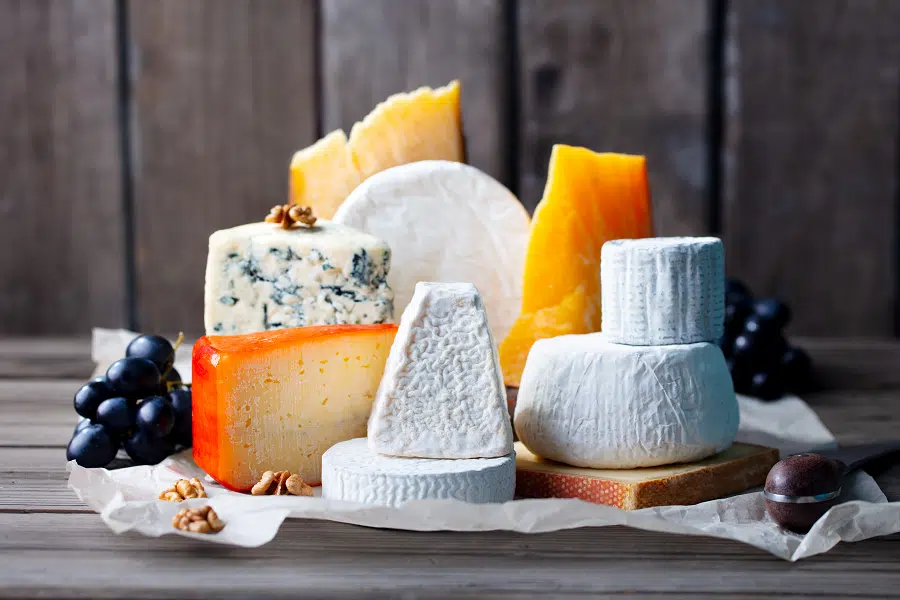
Milk, a staple in many households, demands careful attention when it comes to refrigeration. Typically, milk remains fresh for about 5-7 days past its sell-by date if kept at or below 40°F. However, signs of spoilage, such as a sour smell, clumps, or a change in color, indicate that it’s time to discard the milk regardless of the date. Cheese, on the other hand, has a more varied shelf life depending on its type. Hard cheeses like Parmesan can last up to six weeks in the fridge, while softer cheeses like Brie are best consumed within one to two weeks of opening.
Yogurt, another dairy favorite, usually stays good for 1-3 weeks past the sell-by date when refrigerated. The presence of mold or a significantly altered texture often signifies that the yogurt has gone bad. It’s important to keep these dairy products in their original packaging and store them in the colder parts of the refrigerator to maximize their shelf life. Additionally, always ensure that the refrigerator temperature is set correctly, as even slight variations can impact the longevity of dairy products.
Meat And Poultry: From Beef To Chicken

The shelf life of meat and poultry varies significantly based on the type and how it’s processed. Red meats like beef and lamb can generally be stored in the refrigerator for 3-5 days if they are raw, and 6-10 days if they are cooked. It’s crucial to store these meats in airtight containers to prevent cross-contamination and to maintain their quality. Poultry, including chicken and turkey, should be consumed within 1-2 days if raw, and within 3-4 days if cooked. The key to preserving poultry is to keep it in its original packaging until it is ready to use and to ensure it’s stored at the correct temperature.
Processed meats, such as deli slices and sausages, typically have a longer shelf life due to preservatives. These can last up to two weeks in the fridge if unopened but should be consumed within 3-5 days once opened. Always check for any changes in color, texture, or smell, as these are indicators that the meat may no longer be safe to eat. It’s also advisable to keep meats in the lower section of the refrigerator to prevent any juices from contaminating other foods.
Seafood: Fish And Shellfish

Seafood requires particular attention when it comes to refrigeration due to its highly perishable nature. Fresh fish, for instance, should ideally be consumed within 1-2 days of purchase. To extend its shelf life, store fish on a bed of ice in the refrigerator and keep it in a tightly sealed container. Signs of spoilage in fish include a fishy or sour odor, a slimy texture, and discoloration. Shellfish, such as shrimp and crabs, follow similar guidelines and should be eaten within two days of purchase. It’s essential to keep shellfish in breathable containers to prevent moisture accumulation, which can hasten spoilage.
Smoked and cured seafood, however, have a longer shelf life due to their preservation methods. These can typically be stored in the refrigerator for up to two weeks. Despite this extended shelf life, it’s important to check for any off-odors or changes in texture, as these are signs that the seafood is no longer good to consume. Remember, the key to seafood storage is maintaining a consistent, cold temperature in your refrigerator to ensure freshness and safety.
Fruits: Citrus To Berries

The refrigeration needs of fruits vary widely depending on the type. Citrus fruits, such as oranges and lemons, can last up to three weeks in the fridge. They should be stored in mesh bags or loose in the crisper drawer to allow air circulation, which helps maintain their freshness. Berries, including strawberries, blueberries, and raspberries, are more delicate and have a shorter fridge life. They are best consumed within 3-7 days of purchase and should be stored in their original container or a breathable box to prevent moisture accumulation, which can lead to mold growth.
Apples and pears are more forgiving when it comes to refrigeration. These fruits can last up to three weeks in the fridge, but they should be kept away from other produce due to the ethylene gas they emit, which can hasten the ripening of nearby fruits and vegetables. It’s also important to check for any signs of spoilage, such as soft spots or mold, before consumption. Proper storage of fruits not only extends their shelf life but also helps retain their nutritional value and taste.