Salt is a staple in kitchens worldwide, yet its impact on health is often misunderstood. This essential mineral does more than enhance flavor; it plays a crucial role in bodily functions. However, not all salts are created equal. From the common table salt to the exotic Himalayan pink, each type carries its unique health footprint. This exploration sheds light on the various types of salt available and how they might affect your well-being, equipping you with the knowledge to make informed choices for a healthier lifestyle.
Contents
Understanding Salt And Its Dietary Role

Salt, chemically known as sodium chloride, is a mineral essential for human life. It regulates fluid balance, supports nerve function, and is involved in muscle contractions. Despite its critical roles, the body requires it in relatively small amounts. Public health guidelines suggest limiting sodium intake because excessive consumption is linked to high blood pressure and heart disease. The balance is delicate; too little salt can lead to hyponatremia, a condition characterized by headache, confusion, seizures, and, in severe cases, coma.
The average diet often surpasses the recommended daily salt intake, primarily through processed foods. It’s not just the salt shaker that contributes to intake; sodium is hidden in many foods, from bread to canned soups. Understanding the role of salt and its presence in the diet is the first step towards managing its impact on health. By recognizing the sources of sodium, individuals can make conscious choices to maintain a balanced intake, ensuring that salt consumption supports rather than hinders health.
Table Salt: The Ubiquitous Seasoning

Table salt is the most commonly used form of salt, found in salt shakers and processed foods alike. Its fine grains are a product of extensive refining, where natural minerals are stripped away, and additives like iodine and anti-caking agents are introduced. Iodine is a necessary nutrient that prevents thyroid disorders, making iodized table salt a significant public health achievement. However, the added anti-caking agents have raised health concerns, although they are present in small, generally considered safe amounts.
The health implications of table salt are most notably tied to its high sodium content. While sodium is necessary for bodily functions, too much can lead to hypertension, a leading risk factor for heart disease and stroke. The prevalence of table salt in various foods makes it easy to consume in excess, making it a silent contributor to various health issues. Awareness and moderation of table salt intake, along with a preference for whole and unprocessed foods, can help mitigate these risks.
Sea Salt: A Trace Mineral Treasure?

Sea salt is harvested by evaporating seawater, leaving behind salt crystals that retain trace minerals from the ocean. These minerals, including potassium, iron, and zinc, add subtle flavor nuances and are often touted for their health benefits. The mineral content, however, is too minimal to have a significant health impact, and the primary component remains sodium chloride. The health benefits of sea salt over table salt are thus more related to culinary preference than nutritional superiority.
Despite the minimal mineral content, sea salt has gained popularity as a healthier alternative to table salt. The coarse texture and perceived purity appeal to those looking to make more natural choices in their diet. Yet, when it comes to sodium content and its potential health effects, sea salt is virtually on par with table salt. Consumers should be aware that the choice between sea salt and table salt should be based on taste and texture preferences rather than significant health benefits.
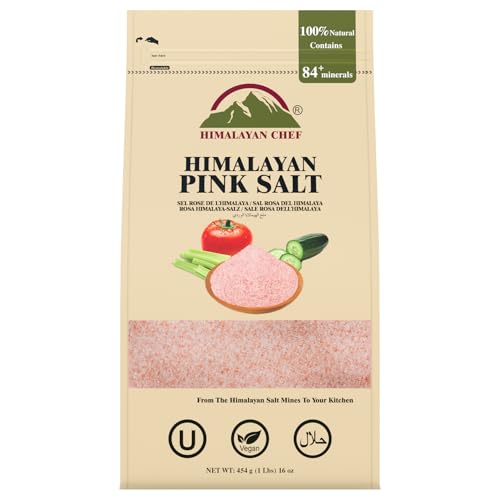

Himalayan Pink Salt: Ancient And Pure?

Himalayan pink salt, with its distinctive rosy hue, is mined from ancient sea beds in the Himalayan mountains. It is often marketed as one of the purest salts available, free from modern environmental toxins. Its color comes from trace amounts of iron oxide, and it contains small amounts of additional minerals, similar to sea salt. These claims of purity and mineral content have made Himalayan pink salt a popular choice for health-conscious consumers.
However, the health advantages of Himalayan pink salt over other salts remain a topic of debate. While it does contain trace minerals not found in table salt, the quantities are too insignificant to yield substantial health benefits. The mineral content does contribute to a more complex flavor profile, which may enhance the culinary experience. As with other salts, moderation is key, as the sodium content can still contribute to health issues if consumed in large amounts.
HealthyFoodsMag.net is a participant in the Amazon Services LLC Associates Program, an affiliate advertising program designed to provide a means for sites to earn advertising fees by advertising and linking to Amazon.com.