Processed snacks have become an integral part of modern diets, offering convenience and an array of flavors that cater to diverse palates. Yet, there’s an increasing awareness and concern about what these snacks contain. This post explores the world of processed snacks, uncovering the ingredients that make up these popular treats. It aims to shed light on their health impacts, examining the balance between taste and well-being. As you navigate through this exploration, you’ll gain insights into what’s really inside your favorite processed snacks, empowering you to make informed choices about your diet.
Contents
- 1 The Rise of Processed Snacks
- 2 Understanding Ingredients: Decoding the Label
- 3 Sugar Content: Sweetness Overload
- 4 Fat and Salt: A Tasty but Dangerous Duo
- 5 Artificial Additives: Colors and Flavors
- 6 Nutritional Value: Is There Any?
- 7 The Psychological Aspect: Why You Crave Them
- 8 Alternatives to Processed Snacks
- 9 Step Toward Healthier Snack Choices
The Rise of Processed Snacks
The transformation of snack foods from their natural origins to today’s processed varieties is a tale of innovation and consumer demand. Initially, snacks were simple, unprocessed foods like fruits, nuts, and seeds. However, with the advent of industrialization and the rise in fast-paced lifestyles, there was a shift towards more convenient, longer-lasting options. This change marked the beginning of the processed snack era, characterized by mass production and widespread availability. The evolution reflects not just changes in technology but also in consumer behavior and preferences.
Today, processed snacks are omnipresent, driven by aggressive marketing and the allure of convenience. Walk into any supermarket, and you’ll find aisles filled with an array of packaged snacks, each promising unique flavors and textures. These products have become a staple in many households, often replacing more traditional, wholesome foods. The growing dependency on these quick and easy options mirrors broader societal shifts towards faster, more convenient lifestyles. This trend, while convenient, raises questions about the health implications of such a significant dietary change.
Understanding Ingredients: Decoding the Label
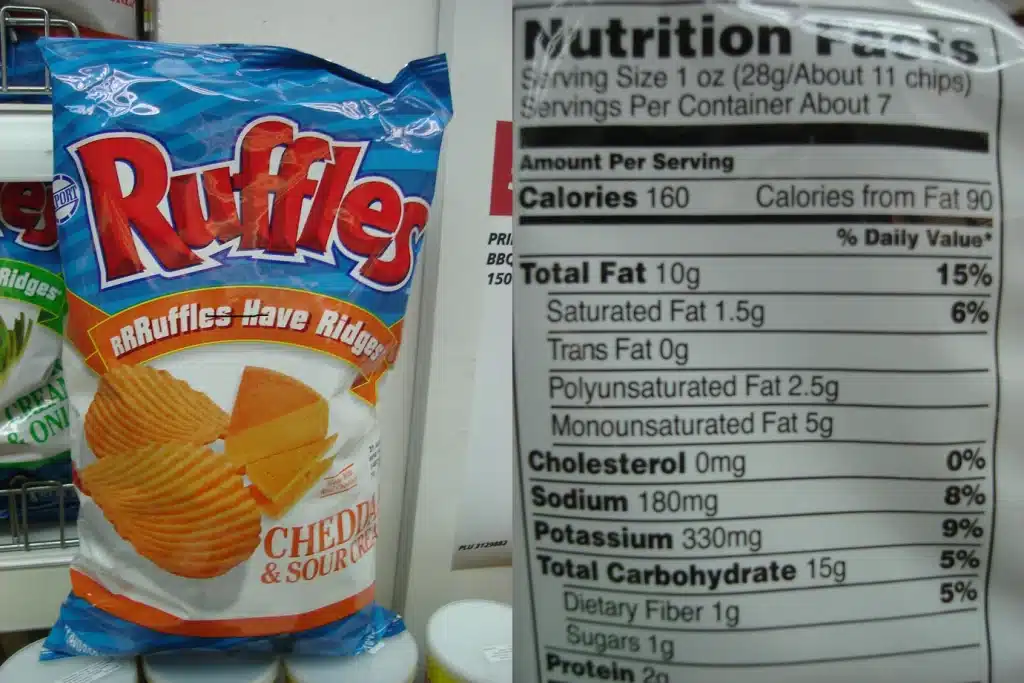
When you pick up a packet of processed snacks, the list of ingredients can often seem bewildering. Common components include preservatives, which extend shelf life; colorants, which make the products visually appealing; and flavor enhancers, which intensify taste. While these ingredients ensure the snacks’ palatability and longevity, they can also have hidden health implications.
The impact of these ingredients on health can vary widely. Preservatives, while preventing spoilage, can sometimes lead to allergic reactions or other health issues. Colorants, though making snacks attractive, have been linked to behavioral issues in children. Flavor enhancers, like MSG, are often scrutinized for their potential health effects. The cumulative effect of consuming these additives over time is a topic of ongoing research and debate. It’s essential to be aware of what goes into these snacks and how it might affect your health in the long term.
Sugar Content: Sweetness Overload
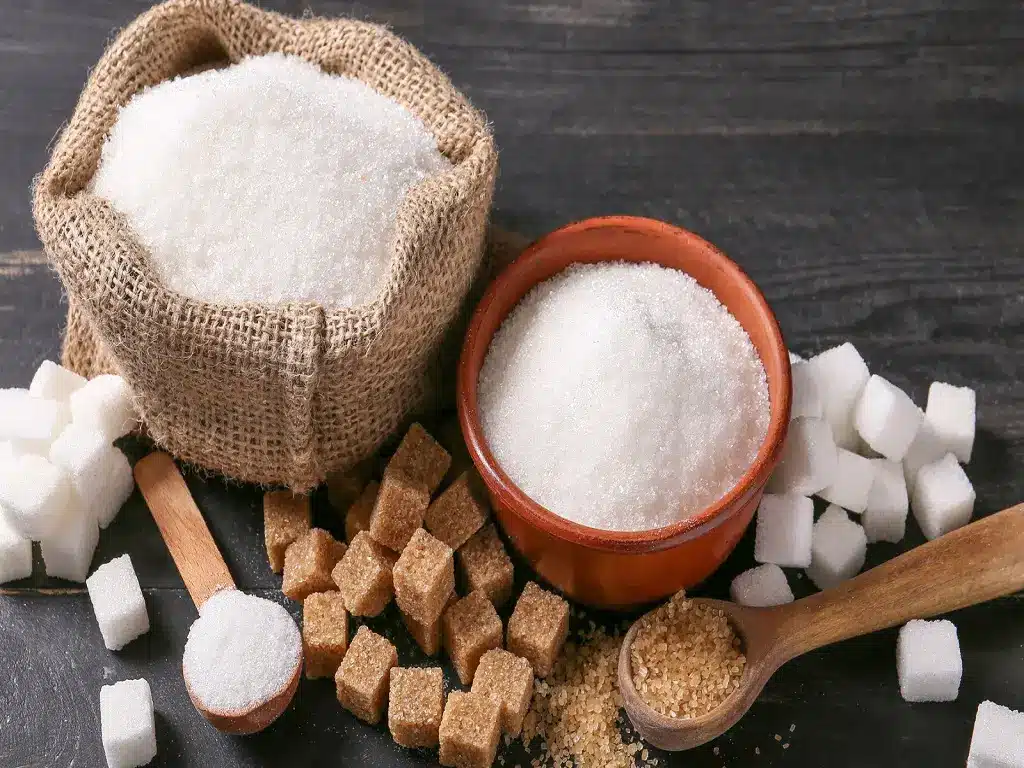
One of the most prominent ingredients in processed snacks is sugar, added in various forms and quantities. From high-fructose corn syrup to dextrose, these sugars contribute to the addictive taste of these products. However, the high sugar content in snacks is a major health concern, contributing to a range of health issues. The excessive consumption of sugar-laden snacks is linked to obesity, diabetes, and dental problems, making it a critical area of focus for health-conscious consumers.
The health concerns related to high sugar intake are substantial. Obesity, a growing global epidemic, is often fueled by high-calorie, sugary snacks. Diabetes, another major health issue, is exacerbated by diets high in sugar. Moreover, frequent consumption of sugary snacks can lead to dental problems like cavities and tooth decay. These health risks highlight the importance of moderating sugar intake and being mindful of the hidden sugars in processed snacks.
Fat and Salt: A Tasty but Dangerous Duo
Processed snacks often contain high levels of fats and salt, contributing to their irresistible taste and texture. The types of fats used can vary, with many snacks containing unhealthy saturated and trans fats. These fats are not only calorie-dense but also pose risks to heart health. On the other hand, while enhancing flavor, salt can lead to increased blood pressure and heart disease risks when consumed in excess.
The impact of these ingredients on heart health is a major concern. Saturated and trans fats contribute to the buildup of harmful cholesterol in the body, increasing the risk of heart disease and stroke. Excessive salt intake, meanwhile, can strain the cardiovascular system, leading to hypertension and other heart-related issues. The combination of high fat and salt content in many processed snacks makes them a risky choice for those concerned about maintaining a healthy heart.

Artificial Additives: Colors and Flavors
The world of processed snacks is not just about sugar, fat, and salt; it also heavily relies on artificial additives for colors and flavors. These additives are designed to make the products more visually appealing and tastier. Artificial colors, often derived from petroleum products, can range from bright reds to deep blues, making snacks visually irresistible. Artificial flavors, on the other hand, are chemical compounds created to mimic natural flavors. The use of these additives has become a norm in the industry despite ongoing debates about their safety and health implications.
The potential risks associated with artificial additives are a topic of continuous research and discussion. Some artificial colors have been linked to behavioral issues in children and are banned or regulated in various countries. Artificial flavors, while effective in mimicking natural tastes, often lead consumers away from healthier, less processed food options. The long-term health effects of regular consumption of these additives are still not fully understood. However, consumers are increasingly seeking snacks with natural or fewer artificial additives, reflecting a growing concern about the health impacts of these substances.
Nutritional Value: Is There Any?
A critical aspect often overlooked in the discussion of processed snacks is their nutritional value. While these snacks are calorie-dense, they are frequently low in essential nutrients like vitamins, minerals, and fiber. This imbalance raises concerns about the role of these snacks in a healthy diet. Many processed snacks are essentially ’empty calories,’ providing energy but little nutritional benefit. The lack of nutritional value is particularly concerning in diets where processed snacks constitute a significant portion of daily calorie intake.
In response to this concern, some manufacturers have begun fortifying their snacks with vitamins and minerals. While this fortification can help address specific nutritional deficiencies, it is not a substitute for the comprehensive nutrition found in whole foods. Fortified snacks can be part of a balanced diet but should not be relied upon as primary nutrient sources. The key is to understand the difference between the intrinsic nutritional value of snacks and the added benefits of fortification. Consumers should aim for a diet rich in naturally nutrient-dense foods, using fortified processed snacks judiciously.
The Psychological Aspect: Why You Crave Them
Processed snacks are not just about taste and convenience; there is a significant psychological aspect to their appeal. These snacks are often engineered to create a sensory experience that leads to craving and repeat consumption. The combination of sugar, fat, and salt activates pleasure centers in the brain, making these snacks highly addictive. The textures, from crunchy to creamy, are carefully designed to enhance this experience. This psychological aspect plays a crucial role in the widespread popularity of processed snacks.
Beyond the physical attributes, social and emotional factors also influence snack choices. Snacking can be a way to cope with stress, boredom, or emotional distress. The marketing of these snacks often plays into these psychological needs, portraying them as solutions to various emotional states. The role of advertising in shaping consumer behavior and preferences is significant, creating associations between snacks and positive emotional experiences. Understanding the psychological drivers behind snacking can help in making more mindful and healthy choices.
Alternatives to Processed Snacks
Transitioning to healthier snack options is a critical step towards better health and nutrition. The first step is to identify healthier alternatives that are not only nutritious but also satisfying. Options like fresh fruits, nuts, yogurt, and whole-grain snacks can provide the necessary nutrients without the excessive sugar, fat, and artificial additives. These alternatives not only cater to the need for convenience but also offer a variety of flavors and textures. The key is to find alternatives that you enjoy and can easily incorporate into your daily routine.
Another critical aspect of making healthier choices is learning how to read and understand food labels. This knowledge empowers consumers to make informed decisions about the snacks they consume. Paying attention to serving sizes, ingredient lists, and nutritional information helps in identifying healthier options. It’s also beneficial to be aware of marketing tactics that can make unhealthy snacks appear healthier than they are. By being informed and mindful, you can make snack choices that contribute to your overall well-being and health.
Step Toward Healthier Snack Choices
This exploration into the world of processed snacks reveals a complex blend of ingredients, health implications, and psychological factors. The knowledge gained here is a powerful tool for making informed choices. It’s about balance and mindfulness in what you consume. By opting for healthier alternatives and understanding food labels, you can enjoy snacking without compromising your health. Remember, every snack choice is an opportunity to nourish your body and support your well-being. Choose wisely and snack smartly.