Menopause marks a significant phase in a woman’s life, often accompanied by physical and emotional changes. As this natural transition occurs, women face a myriad of symptoms that can be challenging. A holistic approach to managing menopause not only recognizes these challenges but also promotes overall well-being by addressing the body, mind, and spirit. The purpose of this post is to explore practical and natural solutions for managing menopause, empowering women to take control of their health and make informed decisions.
Contents
- 1 An Overview Of Menopause
- 2 Psychological Effects Of Menopause
- 3 The emotional changes accompanying menopause can be as significant as the physical ones. Many women experience mood swings, anxiety, and depression. These psychological effects may be linked to hormonal changes, but they can also be influenced by how a woman perceives the aging process and her changing body. Support from family, friends, and professionals can be vital in navigating these emotional challenges.
- 4 Dietary Considerations
- 5 Physical Exercise And Yoga
- 6 Herbal Remedies And Supplements
- 7 Herbal remedies and dietary supplements have gained popularity as natural approaches to managing menopause symptoms. Some women find relief from hot flashes, night sweats, and mood swings through herbs like black cohosh and St. John’s wort. However, not all herbs are suitable for everyone, and some may interact with medications or other medical conditions. Consulting with a healthcare provider who is knowledgeable about herbal medicine is essential to ensure safety and effectiveness.
An Overview Of Menopause

Menopause is the stage in a woman’s life when her menstrual cycles end, marking the end of her reproductive years. This typically occurs around the age of 50 but can vary. The period leading to menopause, known as perimenopause, often comes with common symptoms such as hot flashes, night sweats, and mood swings. Recognizing these symptoms early can lead to more effective management and treatment.
Understanding menopause is not just about knowing the symptoms; it’s also about recognizing the underlying hormonal changes that occur. The reduction in estrogen levels can affect various parts of the body, including bones, heart, and skin. Awareness of these changes can lead to preventive measures and lifestyle adaptations that promote overall health and ease the transition.
Psychological Effects Of Menopause

Menopause can also affect self-esteem and body image, especially as society often equates youth with beauty. Understanding and accepting these changes as a natural part of aging can foster a positive self-image. Engaging in activities that boost self-confidence and seeking professional counseling if needed are essential steps in managing these psychological effects.
Dietary Considerations

Nutrition plays a crucial role in managing menopause symptoms and supporting overall well-being. A balanced diet rich in nutrients, including calcium and vitamin D, can support bone health, a common concern during menopause. Incorporating foods like soy, which contains phytoestrogens, may also help manage hot flashes and other symptoms.
It is equally important to recognize foods and substances that may aggravate menopause symptoms. Caffeine, alcohol, and spicy foods, for instance, can trigger hot flashes in some women. Consulting with a nutritionist or healthcare provider to create a personalized dietary plan can be an essential part of a holistic approach to menopause, focusing on individual needs and preferences.
Physical Exercise And Yoga

Physical exercise is another vital component in managing menopause symptoms. Regular exercise can help alleviate symptoms such as weight gain, mood swings, and sleep disturbances. Whether it’s walking, swimming, or strength training, finding an activity you enjoy can make exercise an enjoyable part of your daily routine. Committing to regular physical activity not only supports physical health but also contributes to emotional well-being.
In addition to traditional exercise, yoga, and other mindful movement practices offer benefits specifically tailored to the needs of women in menopause. Yoga’s gentle stretches and focus on breathing can ease tension and reduce symptoms like hot flashes. Furthermore, the mindfulness aspect of yoga promotes mental clarity and stress reduction, embracing a holistic approach to health. These practices can be adapted to fit individual needs, making them accessible to women of all fitness levels.
Herbal Remedies And Supplements
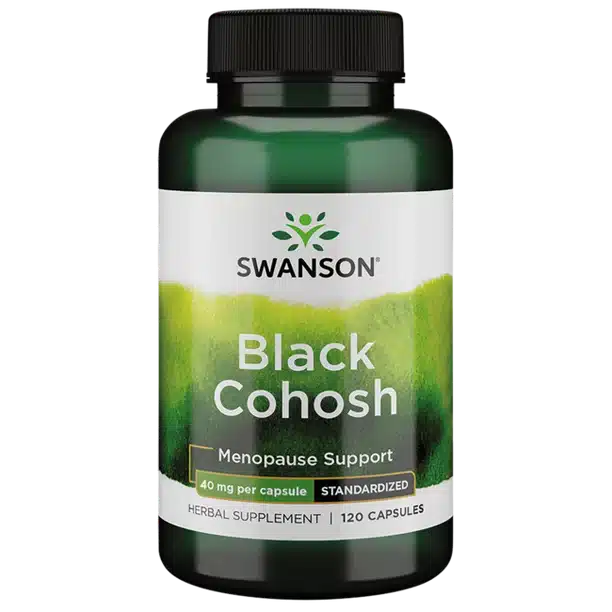
Herbal remedies and dietary supplements have gained popularity as natural approaches to managing menopause symptoms. Some women find relief from hot flashes, night sweats, and mood swings through herbs like black cohosh and St. John’s wort. However, not all herbs are suitable for everyone, and some may interact with medications or other medical conditions. Consulting with a healthcare provider who is knowledgeable about herbal medicine is essential to ensure safety and effectiveness.
Beyond herbal remedies, specific vitamins and minerals can support overall health during menopause. For example, calcium and vitamin D supplements can enhance bone health, while omega-3 fatty acids may support heart health. However, it is essential to remember that while supplements can be a valuable part of managing menopause, they should complement a healthy diet rather than replace it. Tailoring a supplement plan to individual needs, in consultation with healthcare providers, ensures that it aligns with the holistic approach to your overall well-being.