Skip to content

The Ultimate Guide To Healthy Snacking

Snacking, often perceived as a guilt-inducing habit, can actually play a crucial role in maintaining a healthy lifestyle when done correctly. The key lies in choosing the right snacks and understanding how they fit into your overall diet. This guide aims to debunk common myths about snacking, highlight the nutritional importance of well-chosen snacks, and provide practical tips for incorporating healthy snacking into your daily routine. Whether you’re looking to boost your energy, manage your weight, or simply enjoy food without compromising on health, this ultimate guide to healthy snacking is your go-to resource.

Understanding Healthy Snacks

The Ultimate Guide To Healthy Snacking

In the realm of healthy eating, snacks often get a bad rap. However, not all snacks are created equal. The cornerstone of healthy snacking is understanding what constitutes a nutritious snack. Typically, a balanced combination of protein, carbohydrates, and healthy fats makes for an ideal snack. This section will also address common misconceptions about snacking, such as the belief that all snacks are inherently unhealthy or lead to weight gain. By providing clarity on what makes a snack healthy, this section aims to empower readers to make informed choices.

Another crucial aspect is recognizing the role of snacks in satisfying hunger and providing necessary nutrients. It’s essential to differentiate between snacking out of boredom and snacking to fuel your body. This part of the guide will also discuss how to identify genuine hunger cues and choose snacks that are both satisfying and nutritious. Understanding these aspects can help transform snacking from a dietary pitfall into a beneficial eating practice.

The Role of Snacking in a Balanced Diet

The Ultimate Guide To Healthy Snacking

Snacking, when done right, can be an integral part of a balanced diet. This section will explore how strategic snacking can complement regular meals and maintain steady energy levels throughout the day. It’s not just about the snacks themselves but also how they fit into the bigger picture of your overall dietary pattern. The focus will be on the importance of portion control, as even healthy snacks can contribute to excessive calorie intake if not consumed in moderation.

Additionally, this section will delve into the timing of snacks. Strategic snacking can help prevent overeating at meal times and keep blood sugar levels stable. The key is to plan your snacks, just as you would your meals, to ensure they contribute positively to your dietary needs. This approach to snacking can be especially beneficial for people with specific health conditions like diabetes or those aiming to manage their weight effectively.

Choosing the Right Snacks
The Ultimate Guide To Healthy Snacking

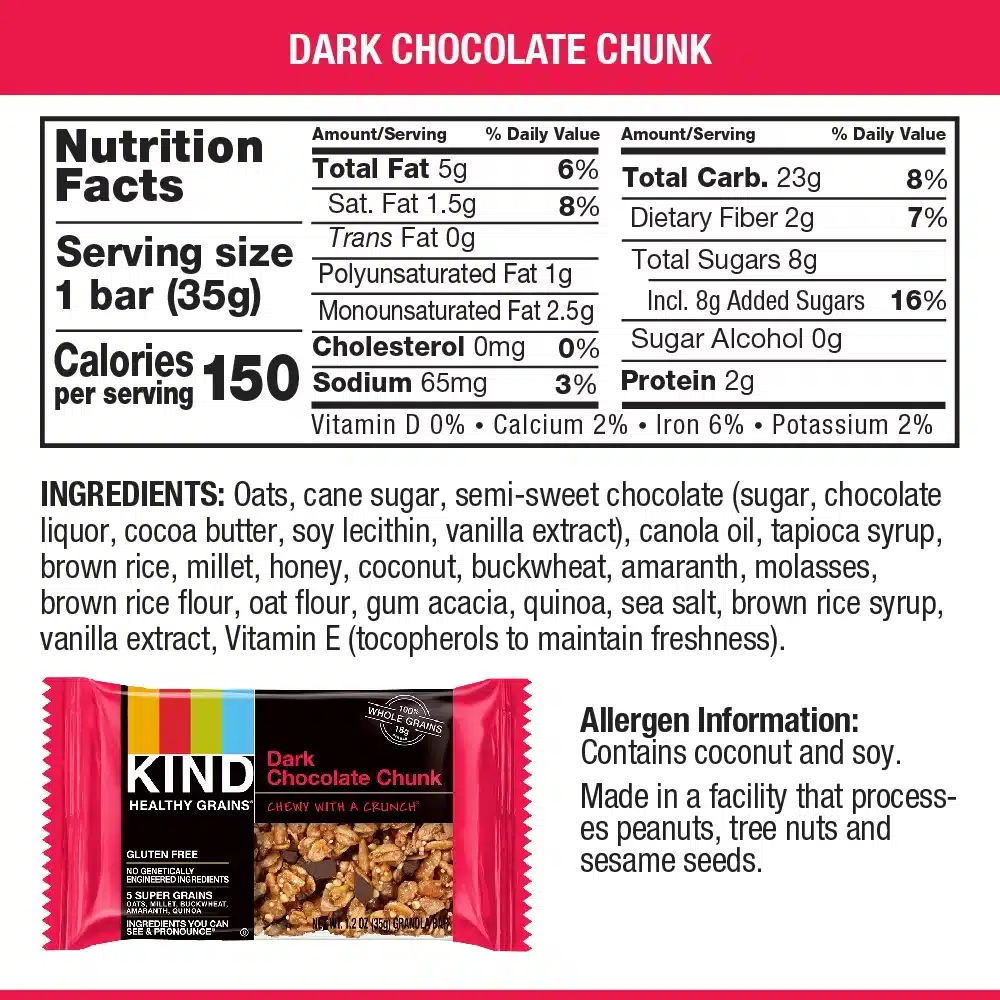
Choosing the right snacks is a critical step in healthy snacking. This section will provide a comprehensive guide on how to select snacks that are nutritious and fulfilling. A key aspect is understanding and interpreting nutrition labels, which can often be confusing. Readers will learn how to look beyond marketing claims and understand the nutritional content of snacks, focusing on factors like fiber, protein, sugar, and fat content.

The guide will also offer a curated list of healthy snack options, including fruits, nuts, seeds, yogurts, and whole grains. These suggestions will cater to a variety of tastes and dietary preferences, ensuring there’s something for everyone. Additionally, the section will include tips on balancing taste and nutrition, making it easier for readers to choose snacks that are not only healthy but also enjoyable to eat.

Homemade vs. Store-Bought Snacks

The Ultimate Guide To Healthy Snacking

When it comes to healthy snacking, the debate often centers around homemade versus store-bought options. Homemade snacks have the advantage of full ingredient control, allowing you to avoid preservatives and excessive sugar or salt. This section will offer simple, nutritious recipes that can be easily prepared at home, such as energy balls, fruit and nut bars, or veggie chips. Additionally, the benefits of meal prepping and batch cooking will be discussed, highlighting how a little planning can ensure a steady supply of healthy snacks throughout the week.

However, the convenience of store-bought snacks cannot be overlooked, especially for those with a busy lifestyle. This section will guide readers on how to choose healthy, minimally processed options from the store. Tips will include reading labels for hidden sugars and unhealthy fats, understanding serving sizes, and identifying key nutritional attributes in packaged snacks. The aim is to equip readers with the knowledge to make smart, health-conscious choices even when shopping for pre-packaged snacks.

Healthy Snacking for Different Needs

The Ultimate Guide To Healthy Snacking

Snacking isn’t one-size-fits-all; different lifestyles and dietary requirements necessitate tailored snacking options. This section will explore how to customize snacks to suit various needs, such as for children, athletes, vegetarians, or individuals with specific dietary restrictions like gluten intolerance or diabetes. For example, children might need more energy-dense snacks, while athletes might focus on protein-rich options for muscle recovery. The section will provide snack suggestions that cater to these diverse requirements, ensuring everyone can find healthy options that suit their needs.

Additionally, the importance of understanding one’s body and nutritional needs will be emphasized. This part will discuss how factors like age, activity level, and health goals should influence snack choices. Practical tips on how to adjust snack types and portion sizes based on individual needs will be provided, helping readers make informed decisions about their snacking habits.

Snacking on the Go

The Ultimate Guide To Healthy Snacking

Maintaining healthy snacking habits can be challenging, especially when away from home. This section will offer practical advice on how to snack healthily in various settings, such as at work, school, or while traveling. It will include suggestions for portable and non-perishable snack options, like trail mix, whole grain crackers, or fresh fruit, which are easy to carry and don’t require refrigeration. Tips on preparing and packing snacks in advance will also be discussed, emphasizing the importance of planning to avoid unhealthy choices when on the move.

Another critical aspect is resisting the temptation of unhealthy snacks often found in vending machines, cafes, or convenience stores. This section will provide strategies for overcoming these challenges, such as keeping healthy snacks at hand, understanding hunger cues, and making smart choices when faced with limited options. The aim is to empower readers to stick to their healthy snacking habits, even in less controlled environments.

Managing Cravings and Portion Sizes

The Ultimate Guide To Healthy Snacking

Cravings and portion control are significant challenges in the pursuit of healthy snacking. This section will delve into understanding and managing cravings for unhealthy snacks. Strategies such as identifying the triggers of cravings, finding healthy alternatives, and practicing mindful eating will be discussed. For instance, if someone craves chocolate, they might find satisfaction in a piece of dark chocolate or a cocoa-dusted almond, which are healthier alternatives. The section will also emphasize the importance of not completely depriving oneself, as this can lead to overindulgence later.

Portion control is equally crucial in healthy snacking. This part of the guide will offer practical tips for managing portion sizes, such as using smaller plates, pre-portioning snacks, and understanding hunger signals. The difference between emotional eating and eating out of genuine hunger will be explored. By educating readers on these aspects, the aim is to help them enjoy snacks without overindulging, maintaining a balance between satisfaction and health.

Integrating Snacking into a Healthy Lifestyle

The Ultimate Guide To Healthy Snacking

The final section will focus on integrating healthy snacking into an overall lifestyle. This part will discuss how snacking is just one component of a healthy lifestyle, which also includes regular physical activity, adequate hydration, and balanced meals. Tips on how to include healthy snacks in daily routines without disrupting meal patterns will be provided. For example, incorporating a mid-morning or afternoon snack can help maintain energy levels and prevent overeating during main meals.

Additionally, this section will highlight the importance of consistency and flexibility in snacking habits. While it’s important to be consistent in choosing healthy snacks, there should also be room for flexibility to accommodate special occasions or changing circumstances. The goal is to encourage a realistic and sustainable approach to healthy snacking, emphasizing that it’s not about perfection but about making better choices most of the time. This holistic view will help readers understand how snacking fits into their overall journey towards a healthier life.

Embracing Healthy Snacking

As we wrap up this guide, it’s clear that healthy snacking is more than just a list of foods; it’s about making informed choices and understanding how these choices fit into our overall lifestyle. Whether it’s managing cravings, choosing between homemade and store-bought, or finding the right balance for individual needs, the journey to healthy snacking is multifaceted. By embracing the principles and tips outlined in this guide, readers can transform their snacking habits into a powerful tool for maintaining good health and well-being. Remember, the path to healthier snacking is not just about restriction but about finding a harmonious balance in what we eat.