
Immune System Boost

Germinated foods are rich in antioxidants, which help fight off oxidative stress and inflammation. Antioxidants like quercetin, glutathione, and Vitamin C are often found in higher concentrations in sprouted foods. These antioxidants are crucial in bolstering the immune system, making the body more resilient against infections and diseases.
Environmental Benefits

Germinating foods at home or purchasing commercially sprouted foods can contribute to sustainability. The germination process requires less water and energy than traditional farming methods. This makes it a more eco-friendly option, aligning well with the growing trend towards sustainable living.
Additionally, germination can help reduce food waste. Often, seeds and grains unsuitable for other uses can be germinated, providing a nutritious and sustainable way to utilize these otherwise wasted resources. This benefits individual health and contributes to a more sustainable food system.
The Bottom Line
Germinated foods offer many health benefits, from improved digestibility and enhanced nutrient absorption to boosting the immune system and lowering the risk of chronic diseases. They are also an excellent choice for weight management and offer environmental benefits that align with sustainable living practices. Incorporating germinated foods into one’s diet can be a simple yet effective way to improve overall health and well-being. As the focus on nutritious and sustainable food options grows, germinated foods stand out as a versatile and beneficial choice for a balanced, health-conscious diet.
Related Posts
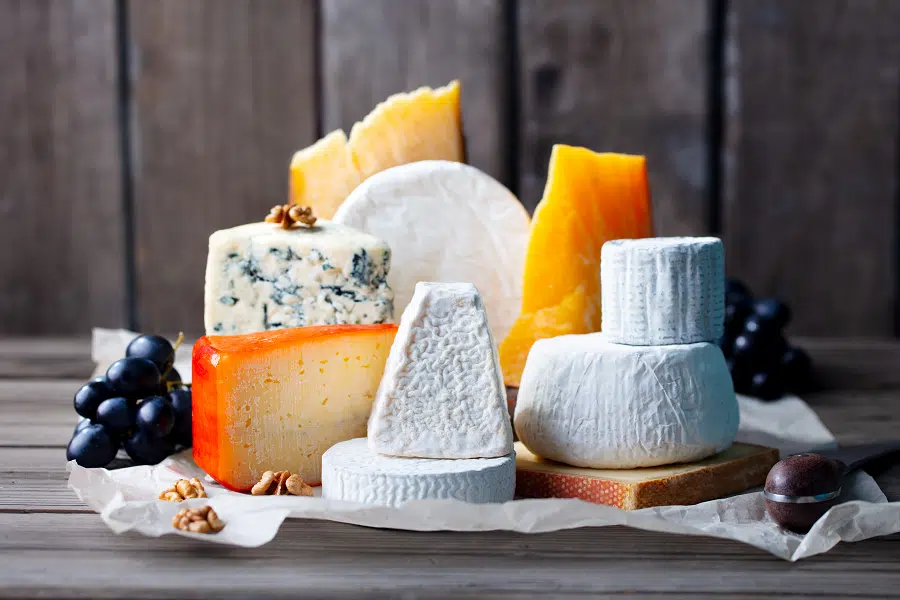
What Happens If You Eat Cheese Daily

Impact On Heart Health Cheese’s impact on heart health is a nuanced subject. While it is a source of cholesterol and saturated fats, which are…

Unhealthy Breakfast Foods To Avoid

Store-bought Fruit Juices Store-bought fruit juices, while often perceived as a healthy beverage choice, can be deceptive in their nutritional value. These juices are typically…

Major Recall Issued For Popular Grocery Items
La Guadalupana Foods LLC Frozen Tamales A Class I recall—the most serious category—was issued for La Guadalupana Foods LLC Mild Pork Tamales after it was…