

In the modern world, where fast food often precedes balanced meals, vitamin deficiencies have become more common than expected. Essential vitamins play pivotal roles in our body’s functionality, from bolstering our immune system to ensuring our mental health remains steadfast. This article aims to shed light on seven crucial vitamins that are frequently overlooked in daily diets. Understanding these deficiencies and learning how to counteract them can significantly improve overall health and well-being.
Vitamin D: The Sunshine Vitamin

Vitamin C is renowned for its immune-boosting properties, but its benefits extend beyond fighting off the common cold. It’s vital for the growth and repair of tissues in all parts of your body, making it essential for wound healing and maintaining healthy skin and teeth. Moreover, Vitamin C acts as a powerful antioxidant, combating free radicals and contributing to the prevention of chronic diseases.
Despite its importance, many people fail to consume enough Vitamin C-rich foods. Citrus fruits, strawberries, bell peppers, and leafy greens are excellent sources. Incorporating these foods into daily meals can significantly improve Vitamin C intake, enhancing immune function and skin health. Supplements are an effective alternative for those struggling to meet their needs through diet alone.
Iron: Vital for Healthy Blood

Iron’s primary role in the body is to carry oxygen in the hemoglobin of red blood cells throughout the body so cells can produce energy. Iron deficiency is one of the leading causes of anemia, a condition characterized by fatigue and decreased immunity. It’s particularly prevalent among women of childbearing age, children, and those following a vegetarian or vegan diet.
To combat iron deficiency, it is recommended to incorporate heme (animal-based) and non-heme (plant-based) iron sources into the diet. Consuming vitamin C-rich foods alongside iron-rich foods can enhance non-heme iron absorption, an essential tip for vegetarians and vegans. Symptoms of iron deficiency include tiredness and shortness of breath, indicating the need for increased iron intake or supplementation.
Related Posts
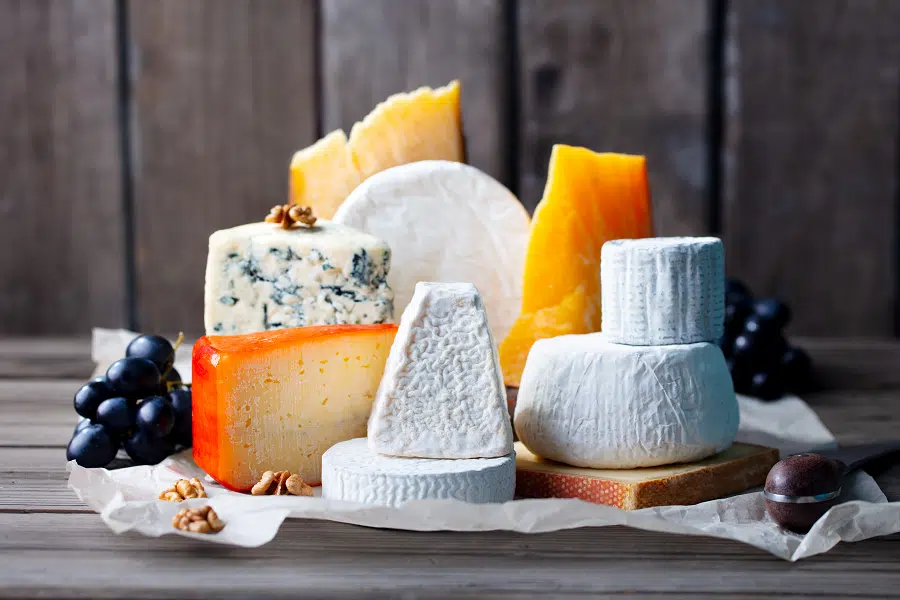
What Happens If You Eat Cheese Daily

Cheese, a staple in many diets worldwide, offers a unique blend of flavors, textures, and nutritional benefits. This exploration delves into the daily consumption of…

Unhealthy Breakfast Foods To Avoid

A healthy breakfast sets the tone for the day, providing the energy and nutrients needed for optimal performance. Yet, many popular breakfast options fall short…

Major Recall Issued For Popular Grocery Items

Grocery recalls can happen at any time, and when they involve widely sold products, the impact reaches far beyond store shelves. Items that many people…