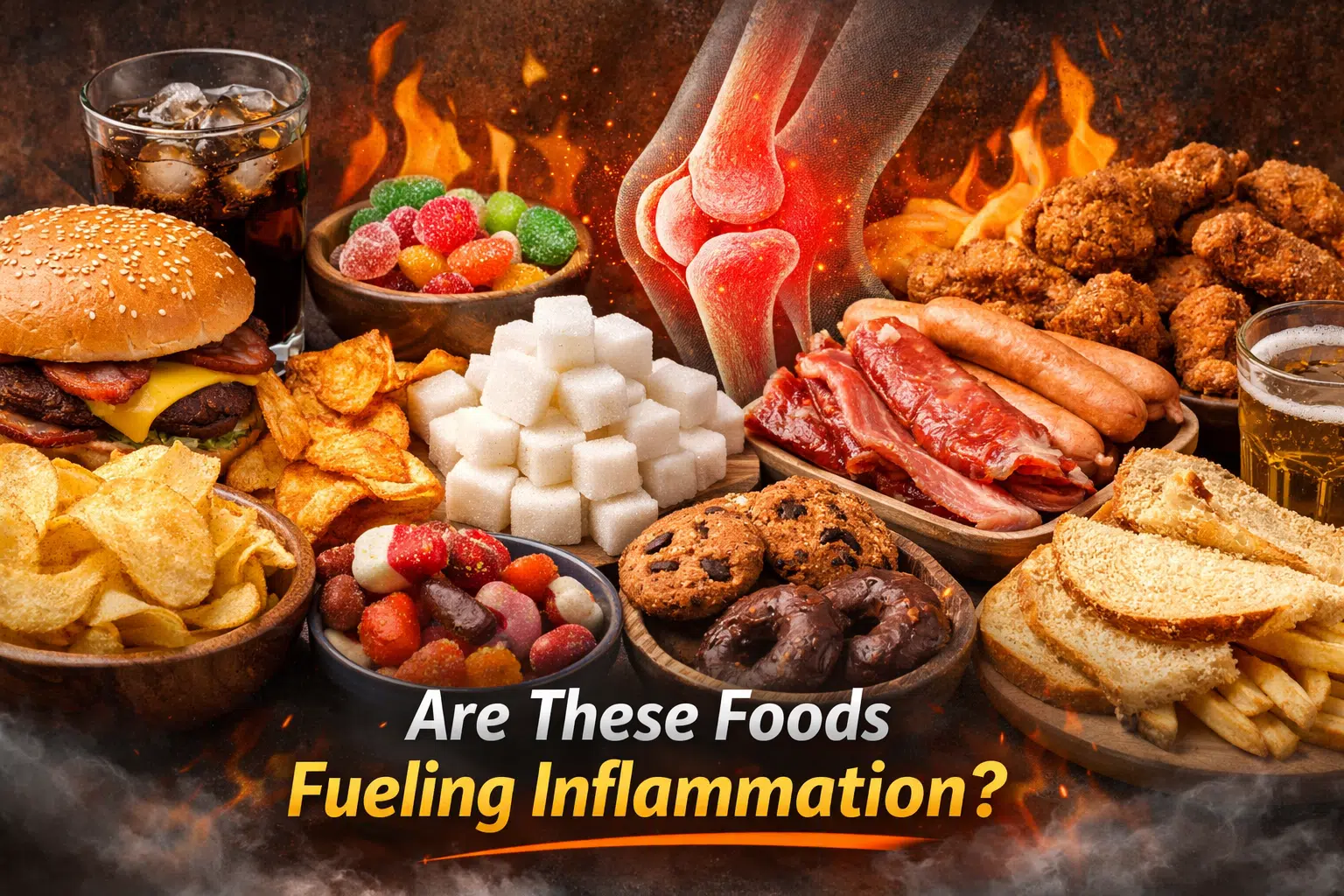
You must have heard the proverbial saying, “You are what you eat.” While we all know the significance of healthy food for our bodies, the current modern diet is about processed foods. Everything you eat is processed, from fries, sausages to burgers, pizza, and fried chicken, limiting the percentage of whole foods in our everyday diet. There may be several views about which diet is most beneficial for our health, but it is universally accepted that eating plenty of fresh whole foods is best for us. But what are whole foods, and why eat more of them in your diet? Here’s what you need to know. Whole foods refer to foods that are closest to their natural state. Whole foods are minimally or completely unprocessed and do not contain added sugar, salts, fats, flavoring, and preservatives. Moreover, since they are in their natural state and do not have any added flavorings, unlike most processed sugary and salty foods, whole foods are not addictive. Furthermore, they are more nutrient-dense and provide you with healthy calories loaded with fiber, minerals, vitamins, and a lot more than your body needs to stay healthy.
Whole foods contain all the essential nutrients that your body needs to perform several life-sustaining functions. Some examples of whole foods include nuts, legumes, seeds, meat, fish, whole grains, fresh fruits, and vegetables. Now that you know what whole foods are let’s get into the details of why you should eat more whole foods.
Why Eat More Whole Foods?

There are several good reasons why you should eat more whole foods. Let’s look at a few reasons that make whole foods a healthier food choice.
Whole Foods Help Improve Blood Sugar

One of the most obvious benefits of consuming whole foods is that it helps improve blood sugar. When you refrain from processed foods and rely more on their natural states, it helps control cravings. Whole foods gradually release sugar which keeps you full for longer and does not cause an immediate spike in your blood sugar level.
Moreover, when you consume foods with slow-releasing sugar, it helps avoid the mood swings that you experience if you miss or skip meals as they help maintain your blood sugar level for a longer time.