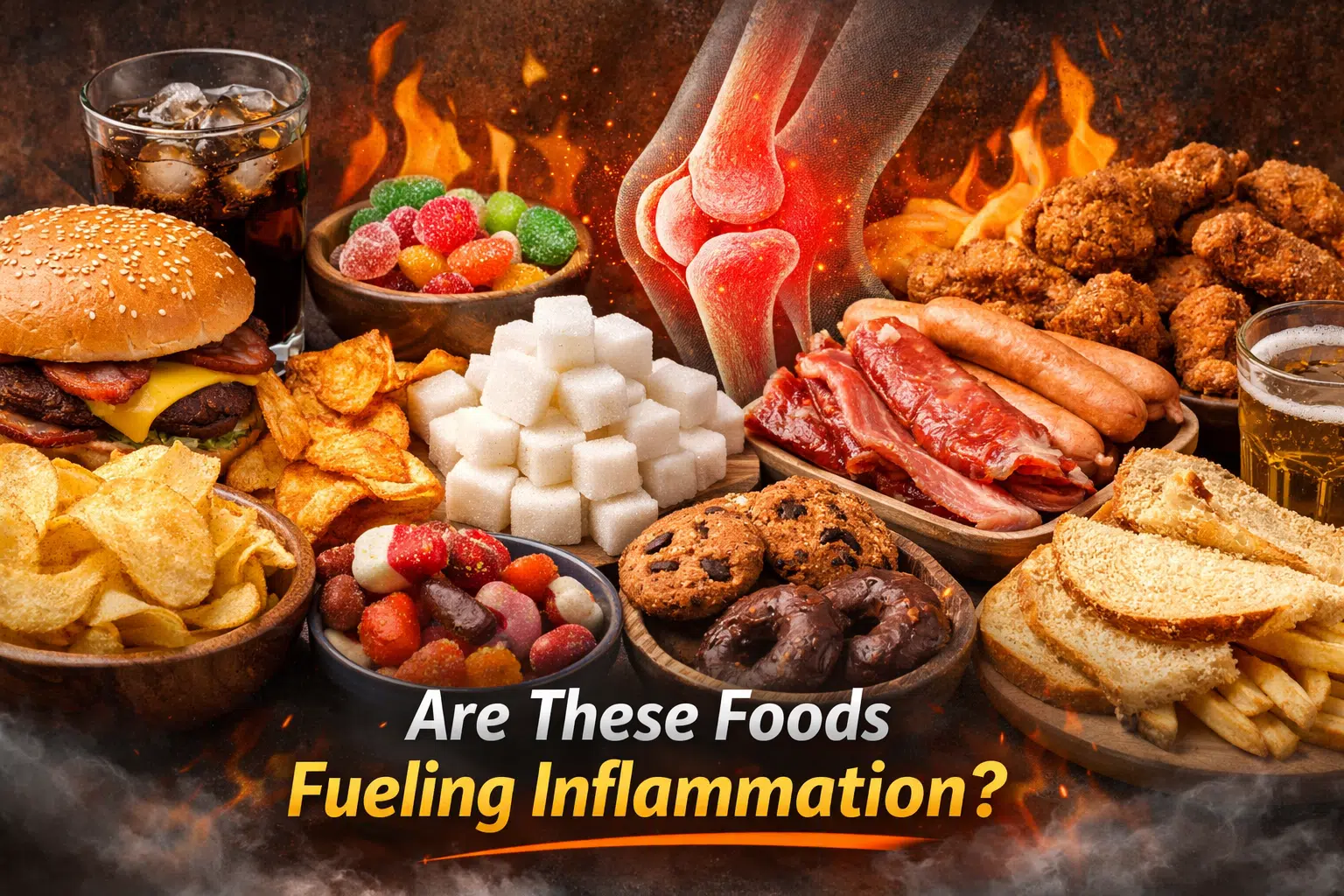
Fats often get a bad reputation in the world of nutrition, but they are an essential part of a healthy diet. Contrary to popular belief, not all fats are harmful; in fact, some are crucial for maintaining overall health. Fats play a significant role in energy storage, cell structure, and the absorption of vital nutrients. This article will delve into the different types of fats, highlight the benefits of healthy fats, and provide practical tips for incorporating them into your daily meals. Understanding the differences between these fats can help you make informed dietary choices that support your well-being.
Contents
What Are Fats?

Fats, also known as lipids, are a group of compounds that are insoluble in water but soluble in organic solvents. They are an essential macronutrient, providing a dense source of energy crucial for various bodily functions. Fats can be classified into three main types: saturated fats, unsaturated fats (which include monounsaturated and polyunsaturated fats), and trans fats. Each type of fat has different effects on health, and it is important to understand these differences to make healthier dietary choices.
Saturated fats are typically solid at room temperature and are found in animal products like meat and dairy, as well as in some tropical oils such as coconut oil. Unsaturated fats, on the other hand, are usually liquid at room temperature and are found in plant-based oils, nuts, seeds, and fish. Trans fats are artificially created through a process called hydrogenation and are commonly found in processed foods. While saturated and trans fats have been linked to various health issues, unsaturated fats are known for their beneficial effects on heart health and overall wellness.
The Role of Healthy Fats in the Diet

Including healthy fats in your diet is crucial for maintaining a balanced and nutritious eating plan. Fats are not only a source of energy but also play a vital role in supporting cell growth, protecting organs, and keeping your body warm. They are necessary for the absorption of fat-soluble vitamins such as vitamins A, D, E, and K. Therefore, completely eliminating fats from your diet can lead to deficiencies and health issues.
The key to reaping the benefits of fats lies in choosing the right types. Healthy fats, such as those found in avocados, nuts, seeds, and fatty fish, can help improve heart health, reduce inflammation, and support brain function. It is recommended that fats make up about 20-35% of your total daily calorie intake, with a focus on unsaturated fats while limiting saturated and trans fats. By understanding the role of fats and making informed choices, you can enhance your diet and overall health.
Monounsaturated Fats

Monounsaturated fats are a type of unsaturated fat known for their numerous health benefits. These fats are typically found in a variety of foods, including olive oil, avocados, nuts, and seeds. Monounsaturated fats can help reduce bad cholesterol levels, lowering the risk of heart disease and stroke. They are also known to provide nutrients that help develop and maintain the body’s cells.
In addition to their cardiovascular benefits, monounsaturated fats play a role in controlling insulin levels and blood sugar, making them beneficial for individuals with type 2 diabetes. Incorporating these fats into your diet can be simple and delicious. For example, using olive oil as a dressing, adding avocado to your salads, or snacking on a handful of almonds can provide a healthy boost to your daily nutrient intake. By including more monounsaturated fats in your meals, you can enjoy their health benefits while enhancing the flavor of your food.
Polyunsaturated Fats

Polyunsaturated fats are another category of healthy fats that are essential for optimal health. These fats are found in high concentrations in foods like fatty fish, flaxseeds, walnuts, and sunflower seeds. Polyunsaturated fats include both omega-3 and omega-6 fatty acids, which are crucial for brain function and cell growth. Unlike saturated fats, polyunsaturated fats can help reduce cholesterol levels and lower the risk of heart disease.
Omega-3 fatty acids, in particular, are known for their anti-inflammatory properties and are linked to numerous health benefits, including improved heart health and reduced risk of chronic diseases. Omega-6 fatty acids, while also important, should be consumed in balance with omega-3s to prevent potential inflammatory effects. Incorporating foods rich in polyunsaturated fats, such as salmon, chia seeds, and walnuts, into your diet can support your overall health and well-being.