Contents
Low FODMAP

The low FODMAP diet has been making the rounds in dieting circles recently, becoming one of the key trends in the dieting world. This food plan focuses on reducing foods with high levels of Fermentable Oligosaccharides, Disaccharides, Monosaccharides, and Polyols – aka carbs that, if poorly digested, can cause serious digestive issues. Following a low FODMAP diet can result in significant health improvements for those with irritable bowel syndrome or other digestive-related illnesses.
It can also help bolster regularity and reduce bloating and gas. While it may be intimidating to follow this restrictive program flawlessly, once you’re familiar with what is included on the list of approved foods, it can become an easy lifestyle shift to make – resulting in more comfort and overall well-being!
Plant-Powered

With rising global temperatures, dietary choices have a tremendous impact on our planet, and recently, more and more people are embracing a plant-powered way of eating as part of their lifestyle. While this doesn’t mean exclusively switching to a vegan or vegetarian diet, it does mean aiming to consume roughly 85-95% of what’s on your menu! Plant-based diets can offer many benefits for both the environment and your health.
This may seem like a lot of work, but it’s not as challenging as it first seems. There are many delicious and easy-to-prepare plant-powered meals that are in most grocery stores or online – plus, you’ll be reaping the benefits of increased energy and mental clarity, reduced risk of ailments like cancer and heart disease, and a healthier overall lifestyle.
Immune-Boosting Diet

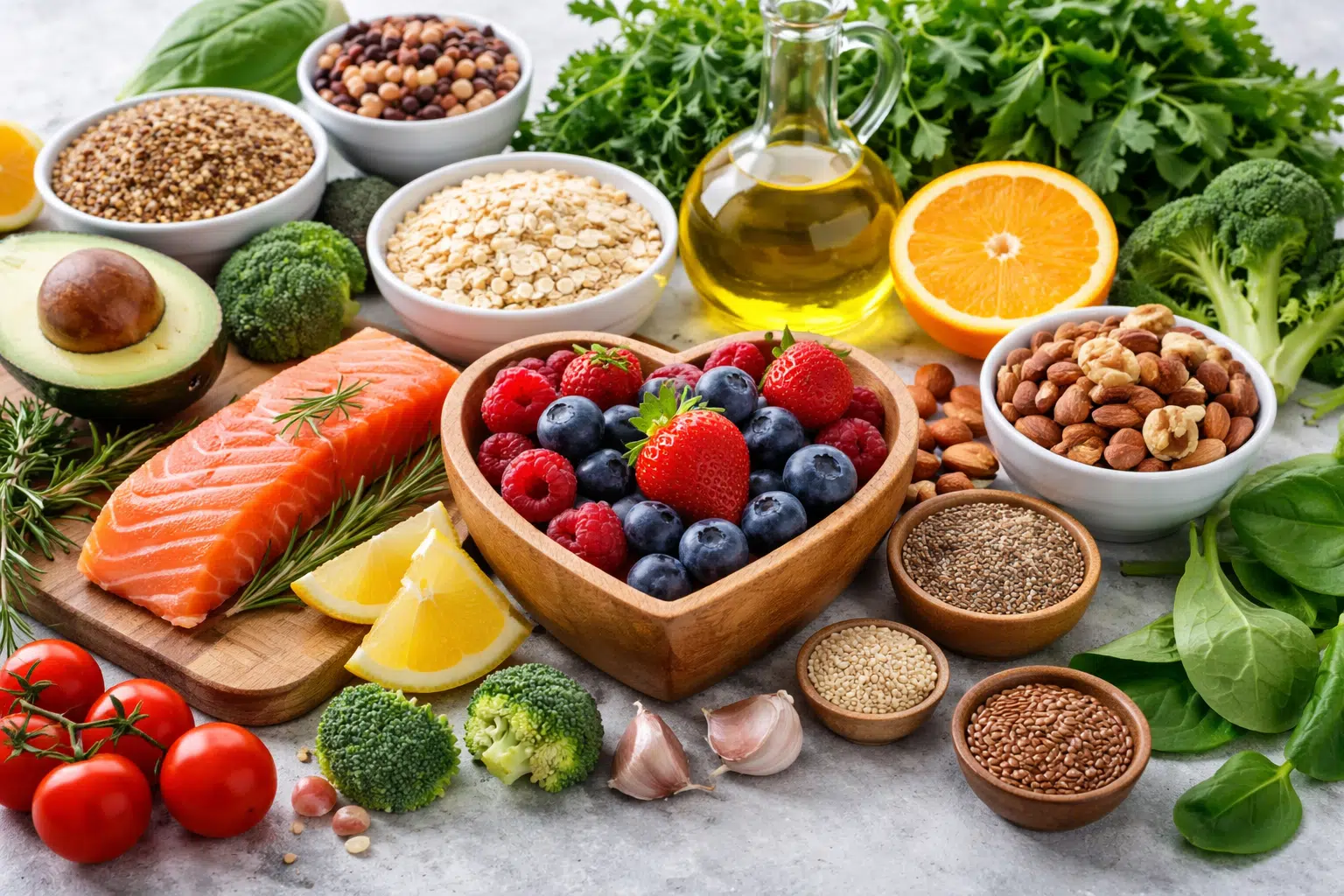
After going through a global pandemic, many people want to improve their immune systems and protect themselves from future infections. One way to do this is through a diet focusing on foods that boost immunity – including lots of fruits and vegetables, healthy fats, lean proteins, and good sources of essential vitamins and minerals.
Those who shape their diet this way can experience many benefits, including better overall health, reduced inflammation and pain, boosted energy levels and mental clarity, and even reduced risk of certain diseases. It can also be helpful to incorporate probiotics into your diet through things like kombucha or fermented foods for added immune support.
Intuitive Eating

Intuitive eating has been the focal point for various health and wellness advocates in recent years, especially as people become more aware of their individual wellness needs. This non-diet approach is a way of becoming attuned to your body’s unique signals and nutritional requirements. Rather than following a largely prescriptive diet plan, it encourages individuals to develop mindful relationships with their own self-care, diets included.
It teaches you to pay attention to the subtle nuances of hunger, fullness, and cravings to make quieter food choices that align with your physical and mental needs. As an approach that considers so many aspects of personal evaluation and development, it is certainly one of the most comprehensive trends in diet today.
Will You Follow Some Of The Latest Diet Trends?
Although the latest diet trends are always changing, it’s clear that there are many benefits to taking a new approach to the way you eat. Each of the different trends above – from low FODMAP to plant-powered and beyond – can help you feel more comfortable, energized, and balanced in your diet. So take some time to look at the different options and find the one that resonates with you most! Doing so could be the key to a happier, healthier you.