If you’re like most people, you’ve probably heard of the Paleo diet and the Keto diet. But which one is right for you? Both diets have pros and cons, and it can be tough to decide between the two. In this article, you will get a chance to compare and contrast the Paleo and Keto diet so that you can make an informed decision about which diet is right for you!
The Paleo Diet

The Paleo Diet is a nutritional plan based on the diets of our hunter-gatherer ancestors from the Paleolithic era. The diet consists mainly of lean meats, fruits, vegetables, nuts, and seeds. The thinking behind the Paleo Diet is that by eating like our ancestors did, we will be healthier and better able to fight off modern diseases. The Paleolithic era was when humans were physically active and had to hunt and gather food, which meant that they ate a lot of protein, healthy fats, and very little processed food. The Paleo Diet attempts to imitate this way of eating to improve our health.
Positives and Negatives of The Paleo Diet

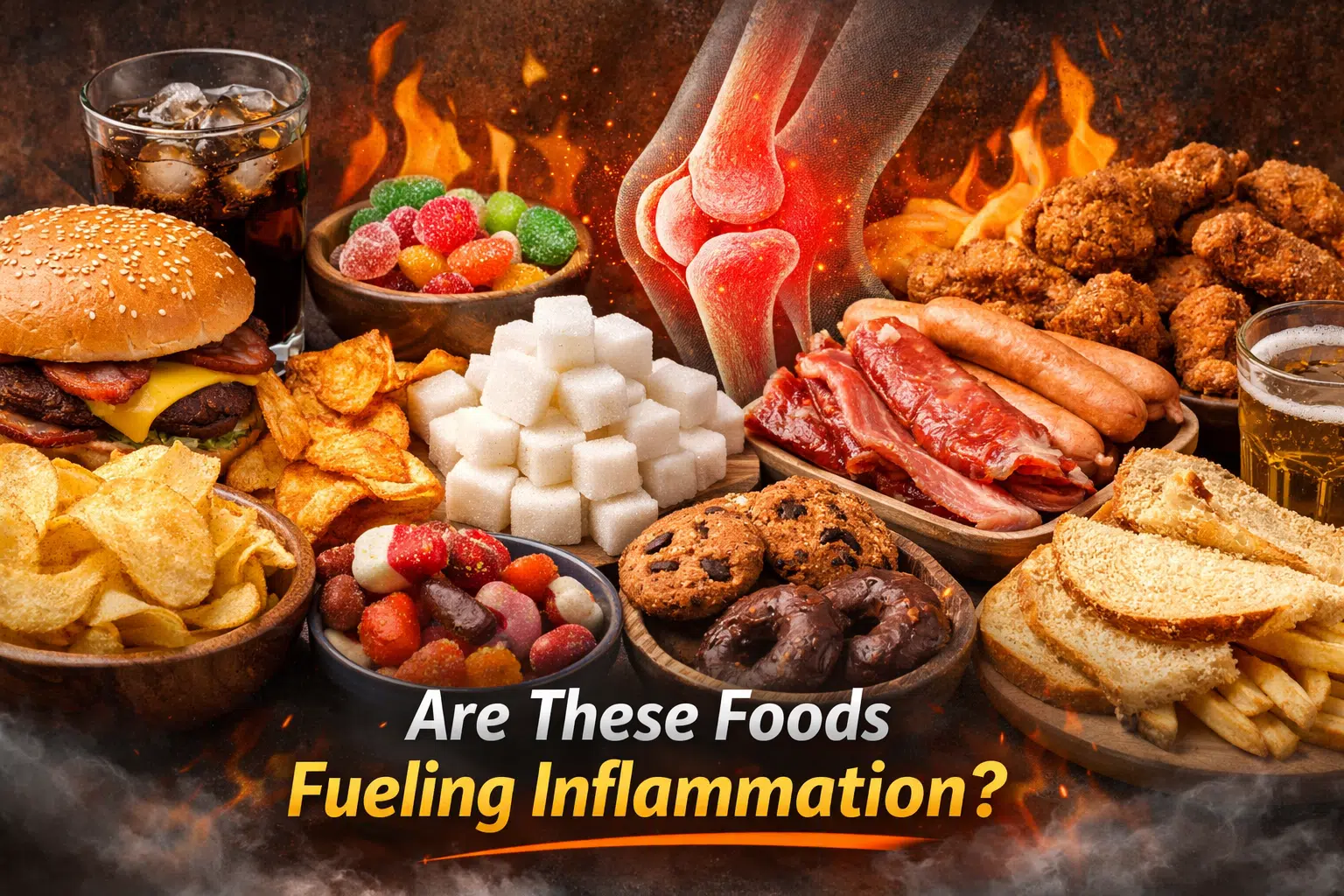
There are many benefits associated with the Paleo Diet. Some claim that it has helped them lose weight, reduce inflammation, and improve their energy levels. There is also some evidence that the Paleo Diet can help to reduce the risk of heart disease, type 2 diabetes, and arthritis. However, it is essential to note that the Paleo Diet is not without its critics. Some experts argue that the diet is too restrictive and does not provide enough of certain nutrients, such as vitamin C and calcium. Others argue that the diet is unrealistic and difficult to follow long-term. Nevertheless, the Paleo Diet remains popular among those looking for a natural way to eat healthy foods.
The Keto Diet

The keto diet is a high-fat, low-carbohydrate diet used for centuries to treat certain medical conditions. In recent years, the keto diet has gained popularity as a weight loss and health promotion tool. There are many different ways to follow the keto diet, but the most common approach is to consume large amounts of fats, moderate amounts of protein, and very few carbohydrates, which allows the body to enter a state known as ketosis, in which it begins to burn fat for fuel instead of carbohydrates.