Psoriasis is a skin condition that can be extremely frustrating to deal with. Not only does it cause physical discomfort, but it can also lead to social isolation and self-esteem issues. If you are one of the millions with psoriasis, you may be looking for ways to reduce your symptoms. While there is no cure for psoriasis, there are certain dietary changes that you can make to help improve your condition. In this article, we will discuss how changing your diet can help reduce the symptoms of psoriasis.
Contents
What Is Psoriasis?

Psoriasis is a chronic skin condition that causes the skin cells to grow at an accelerated rate. This results in the formation of thick, scaly patches on the skin surface. Although psoriasis can affect any body area, it is most commonly found on the scalp, elbows, and knees. The exact cause of psoriasis is unknown, but it is believed to be related to an autoimmune disorder.
There are several different types of psoriasis, but the most common form is plaque psoriasis. This type is characterized by raised, red skin patches covered with white or silver scales. Psoriasis can range from mild to severe, and in some cases, it can lead to joint pain and inflammation. Unfortunately, there is no cure for psoriasis, but there are treatments that can help to manage the symptoms.
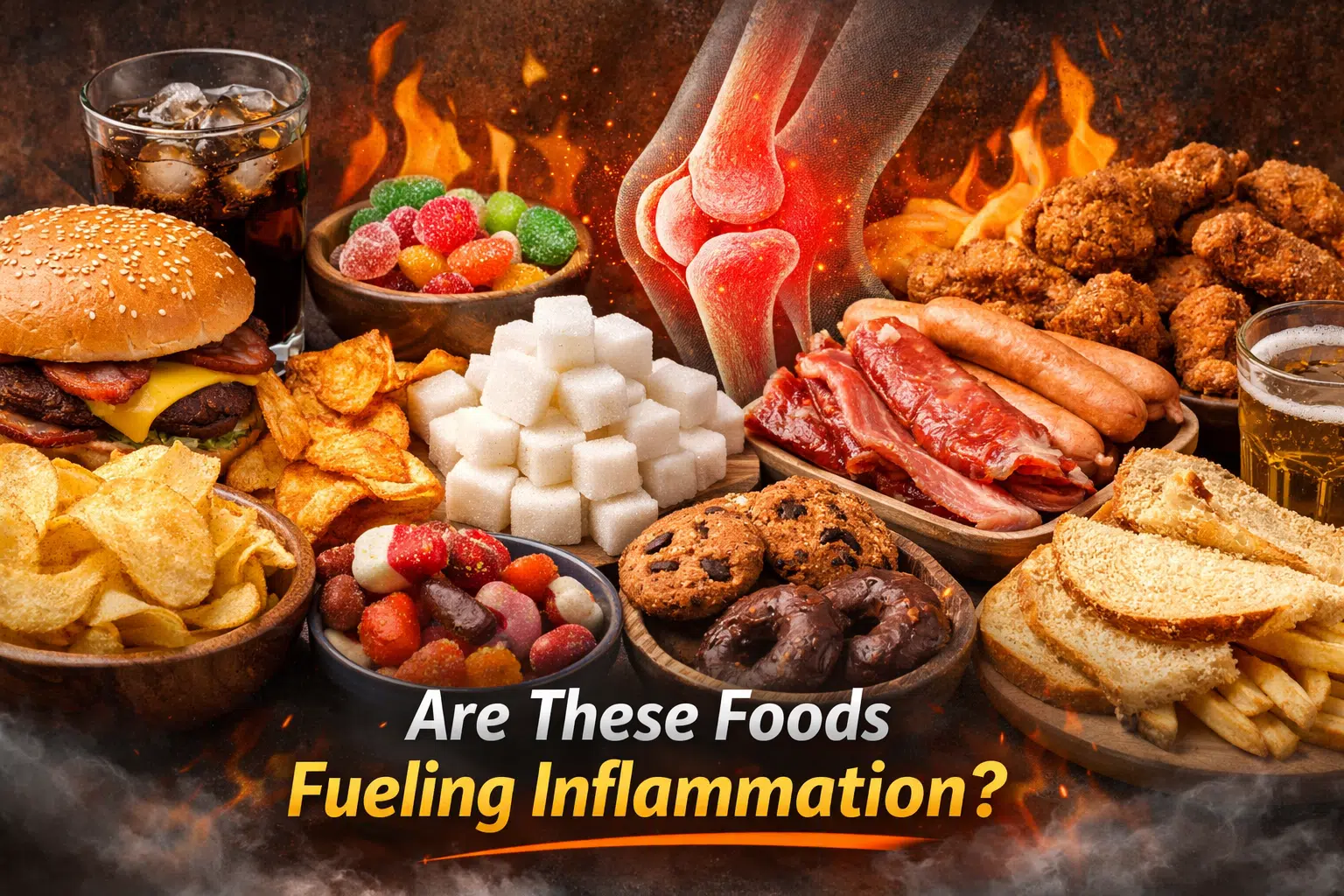
One treatment option often recommended for people with psoriasis is a change in diet. Diet changes that are helpful for people with psoriasis include eliminating processed foods, eating more omega-3 fatty acids, and increasing your intake of fruits and vegetables. While there is no guarantee that a diet change will eliminate psoriasis symptoms, it may help to reduce their severity.
Reduce Psoriasis Symptoms With These Diet Changes
If you have psoriasis, you may wonder what dietary changes you can make to help reduce your symptoms. Here are a few diet changes that are helpful for people with psoriasis:
Gluten-free Diet

For people with psoriasis, managing symptoms can be a lifelong challenge. While there is no cure for this chronic skin condition, various treatment options are available. Some people with psoriasis find that making dietary changes can help to reduce symptoms. A gluten-free diet is a nutritional change that effectively reduces psoriasis symptoms. Gluten is a protein found in wheat, barley, and rye. For people with gluten sensitivity, consuming gluten can trigger an immune response that leads to inflammation.
Inflammation is a known trigger for psoriasis flare-ups. By eliminating gluten from the diet, people with psoriasis can help to reduce the frequency and severity of their flare-ups. In addition to a gluten-free diet, other dietary changes that may help reduce psoriasis symptoms include avoiding triggers, eating more anti-inflammatory foods, and maintaining a healthy weight.
Low-calorie Diet

Many people with psoriasis find that their symptoms improve when they follow a low-calorie diet. While no specific diet is effective for all people with psoriasis, a low-calorie diet may help reduce inflammation and promote healing. The same foods that should be included in a low-calorie diet for psoriasis may vary depending on the individual, but typically the diet consists of lean protein, vegetables, and fruits.
Some people also find it helpful to avoid trigger foods, such as gluten or dairy. In addition to following a healthy diet, people with psoriasis may also benefit from other lifestyle changes, such as quitting smoking and reducing stress. By making these changes, people with psoriasis can help to improve their overall health and quality of life.