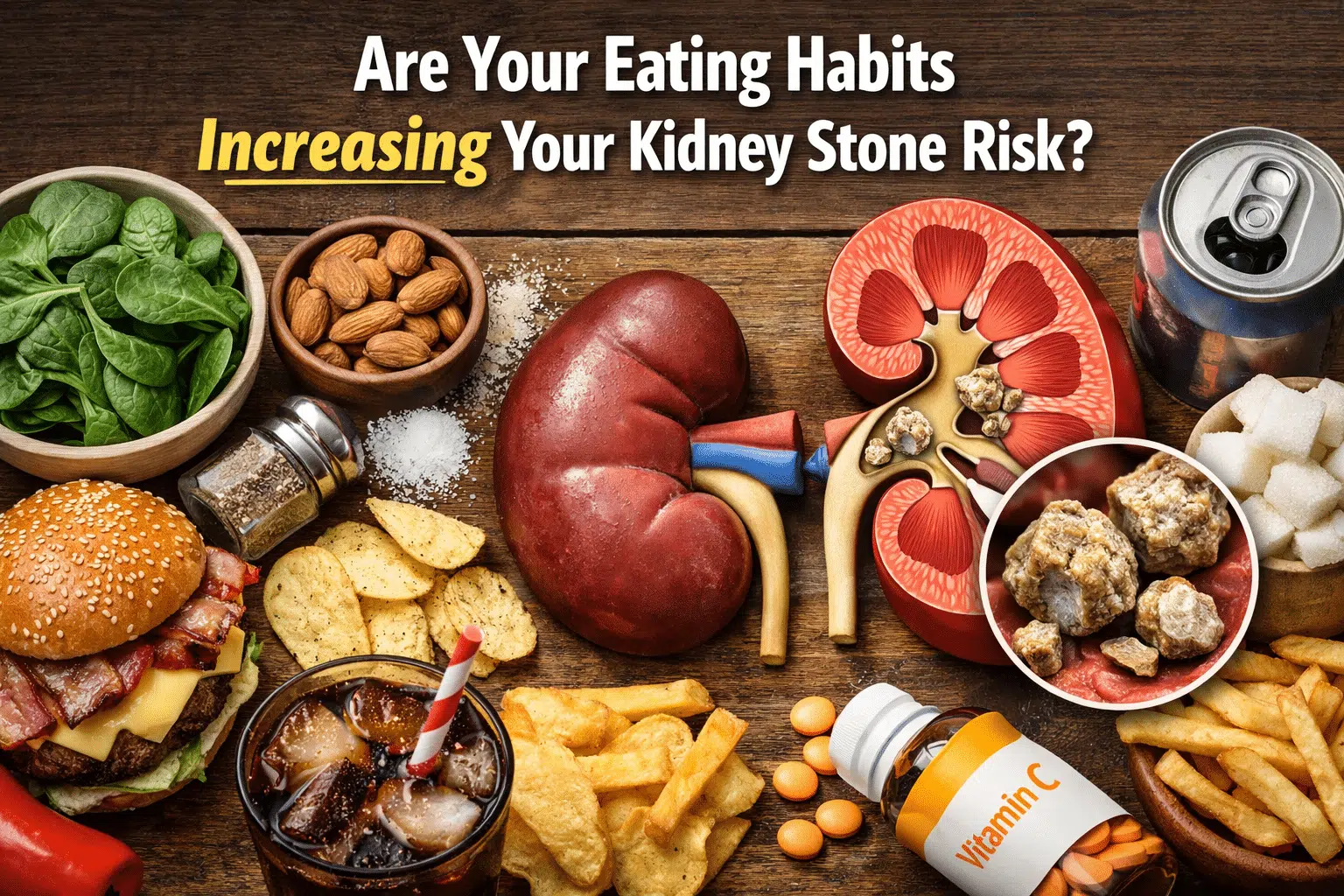
Food truly is a double-edged sword. While it provides you with the nutrients and energy your body needs to function, it can also lead to weight gain and health problems if you consume too much of the wrong kinds. Even though most people are aware of this, It can still be tough to make healthy choices when it comes to food. There are so many unhealthy foods out there, and it’s often difficult to resist them. However, you must do it, and the best way to do that is to learn how to include more healthy foods in your diet!
Create A Complete Meal Plan

A complete meal plan includes all the essential nutrients needed by the body daily. While the specific nutrients required may vary depending on individual factors such as age, gender, and activity level, some basic guidelines you can follow to create a well-rounded diet.
A healthy diet should include plenty of fruits and vegetables, whole grains, lean protein, and low-fat dairy. It’s also important to limit sugar, salt, and unhealthy fats. Including these food groups in your meals will provide your body with the nutrients it needs to function correctly.
In addition, meal planning can help you save money and time and reduce food waste. By planning out your meals in advance, you can ensure that you’re using all of the ingredients you purchased and minimize the risk of spoiling food. When creating a complete meal plan, many different resources are available to help you get started.
Talk to your doctor or a registered dietitian to get personalized advice, or look online for general tips. You can create a healthy and delicious meal plan that meets all of your nutritional needs with a bit of effort.]
Start Slow

Most people know that eating a healthy diet is essential, but switching from unhealthy foods to healthy ones can be tricky. One way to make the transition more manageable is to start slowly. Instead of eliminating unhealthy foods from your diet, try eating smaller portions of them or substituting healthier alternatives. For example, if you typically have a bowl of sugary breakfast cereal, try switching to oatmeal with a small amount of honey or fruit.
Or, if you tend to eat fast food for lunch, try packing a healthier lunch from home. Making small changes like these can help you move towards a more nutritious diet without feeling overwhelmed. And as you get used to eating healthier foods, you may find that you prefer them to unhealthy options.
Make Subtle Swaps

Making small changes to your diet can significantly impact your health. By making a few simple swaps, you can easily boost your intake of vitamins, minerals, and other nutrients. For example, instead of white bread, switch to whole grain bread. Trade your usual snack for some fresh fruit or vegetables. Choose lean protein sources such as chicken or fish instead of red meat. And opt for water instead of sugary drinks.
These subtle changes may not seem like much, but they can add significant health benefits over time. So next time you’re grocery shopping, think about ways to make your diet just a little bit healthier.