Contents
Foods to Avoid or Limit

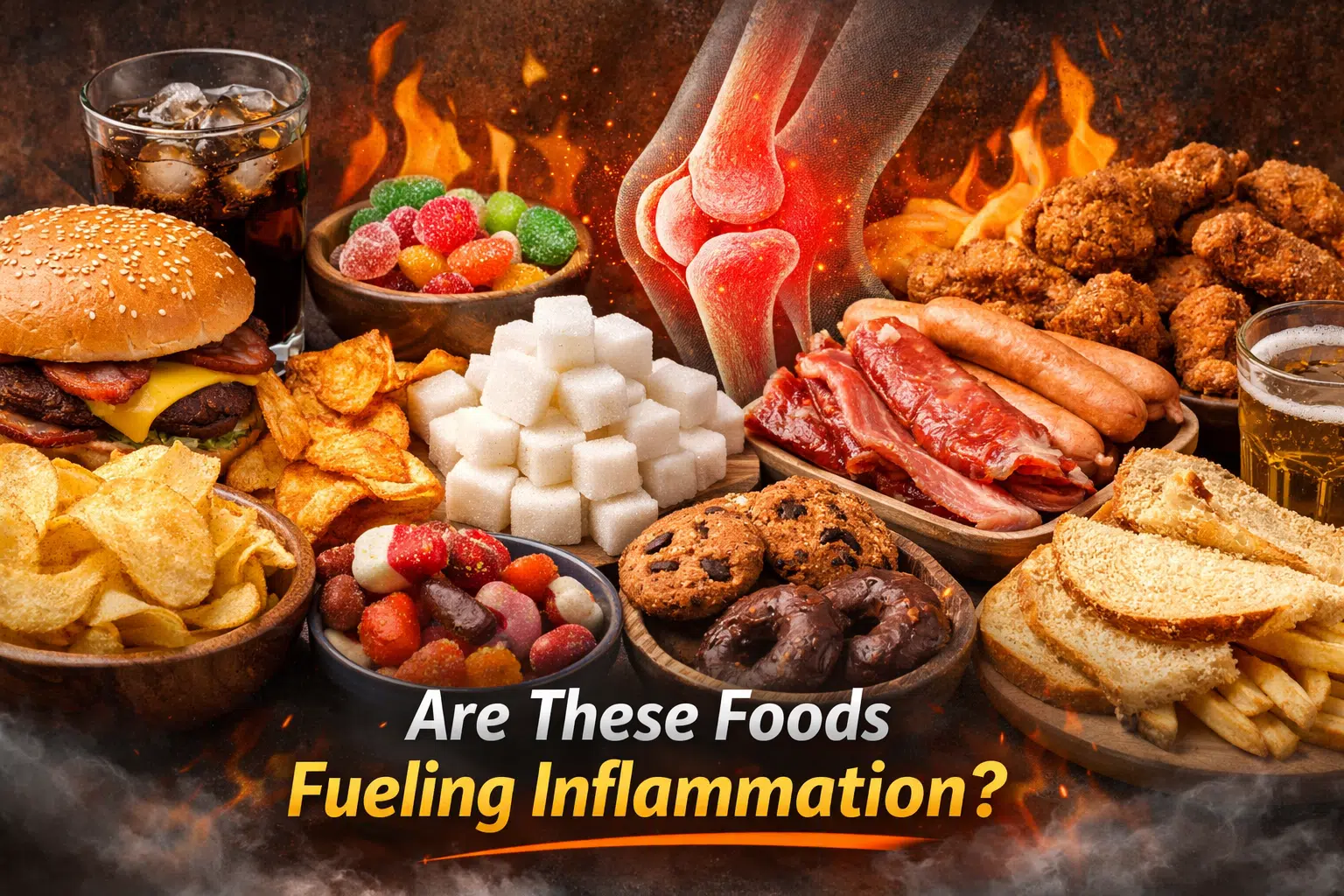
Just as some foods can bolster mental health, others can detrimentally impact it. High sugar and processed foods can lead to mood swings and energy crashes, exacerbating symptoms of depression. These foods often lead to a quick spike in blood sugar followed by a rapid decline, affecting mood stability.
Alcohol and caffeine are two other substances to be mindful of. Alcohol, a depressant, can negatively impact sleep and mood, while excessive caffeine can lead to increased anxiety and sleep disturbances. Similarly, refined carbohydrates, like white bread and pastries, can have similar effects to high-sugar foods, offering a temporary mood boost followed by a crash. Limiting these foods and substances can help maintain a more stable mood and contribute to better mental health.
The Role of Hydration

The significance of hydration in mental health is often underestimated. Dehydration can lead to impaired cognitive function and mood disturbances. Even mild dehydration can affect concentration, alertness, and mood, making it essential to maintain adequate hydration for overall mental well-being.
The recommended daily water intake varies, but general guidelines suggest around 8-10 glasses daily. This can vary based on individual needs, activity levels, and environmental factors. Staying hydrated supports overall brain function and can be a simple yet effective way to help manage mood and cognitive health.
Mindful Eating Practices

Mindful eating involves being fully present and aware of the eating experience without judgment. This practice can enhance the enjoyment of food, improve digestion, and foster a healthier relationship with food. Mindful eating encourages a deeper understanding of personal hunger and satiety cues, which can prevent overeating and emotional eating.
To incorporate mindful eating, start by eating slowly and without distraction. Pay attention to the flavors, textures, and sensations of eating. This practice improves mental well-being and promotes better digestion and satisfaction with meals. Mindful eating can be a powerful tool in managing depression, as it encourages a more harmonious and attuned relationship with food and the body.
Combining Diet with Other Lifestyle Changes

While diet is crucial in mental health, it’s most effective with other lifestyle changes. Regular exercise, for instance, has been shown to profoundly impact mood and mental well-being. Similarly, good sleep hygiene is essential for mental health; a lack of sleep can exacerbate depressive symptoms.
Adopting a holistic approach, which includes a healthy diet, regular physical activity, and adequate sleep, can significantly enhance the effectiveness of each component in managing depression. This comprehensive lifestyle strategy offers a multifaceted approach to mental health, addressing various aspects that contribute to overall well-being.
Challenges and Considerations

It’s important to recognize that dietary needs and responses vary among individuals. What works for one person in managing their depression might not work for another. Personal preferences, allergies, and specific health conditions all play a role in determining the most suitable diet.
Another consideration is the accessibility and sustainability of maintaining a healthy diet. Financial constraints, the availability of certain foods, and personal circumstances can pose challenges. It’s important to find an effective dietary approach that is also practical and sustainable in the long term.
The Bottom Line
This article has explored the connection between diet and depression, highlighting how certain dietary choices can support mental health. While a balanced diet rich in essential nutrients is a powerful tool in managing depression, it’s important to remember that diet is just one aspect of a holistic approach to mental health. Combining a healthy diet with regular exercise, adequate hydration, and good sleep hygiene can significantly enhance mental well-being. Individual differences and practical considerations must be considered for the most effective and sustainable dietary strategy. Ultimately, understanding and utilizing the connection between diet and mental health offers a promising avenue for those seeking to manage their depression and improve their overall quality of life.