

Ginger

Ginger, with its fiery flavor and distinctive aroma, provides various heart health benefits. Research has indicated that the active compounds in ginger, such as gingerols and shogaols, have strong anti-inflammatory and antioxidant effects. These effects are vital in preventing inflammation and damage to the heart’s cells, keeping the heart healthy and functioning optimally.
Coriander

Renowned for its fresh, citrusy flavor, coriander is a staple in various world cuisines. Its seeds have been shown to lower blood pressure, thanks to their high levels of heart-friendly compounds like quercetin. These compounds encourage the relaxation of blood vessels, reducing the pressure exerted on arterial walls and promoting overall heart health.
Additionally, coriander is believed to lower “bad” LDL cholesterol and raise “good” HDL cholesterol levels. This balancing effect helps maintain a healthy cardiovascular system and reduces the risk of atherosclerosis. Coriander can be a versatile addition to the kitchen, enhancing the flavor of curries, soups, salads, or stews.
The Bottom Line
Adopting a heart-healthy diet goes beyond limiting unhealthy fats and cholesterol. It’s about embracing an array of beneficial foods, particularly heart-friendly herbs and spices. The medicinal properties of turmeric, garlic, cinnamon, ginger, cayenne pepper, rosemary, and coriander offer not just a feast for the palate but substantial health benefits. Introducing these spices and herbs into daily meals can provide a wealth of protective effects for the heart. Enjoy the richness of flavors they offer and savor the heart-healthy benefits that come with each bite.
Related Posts
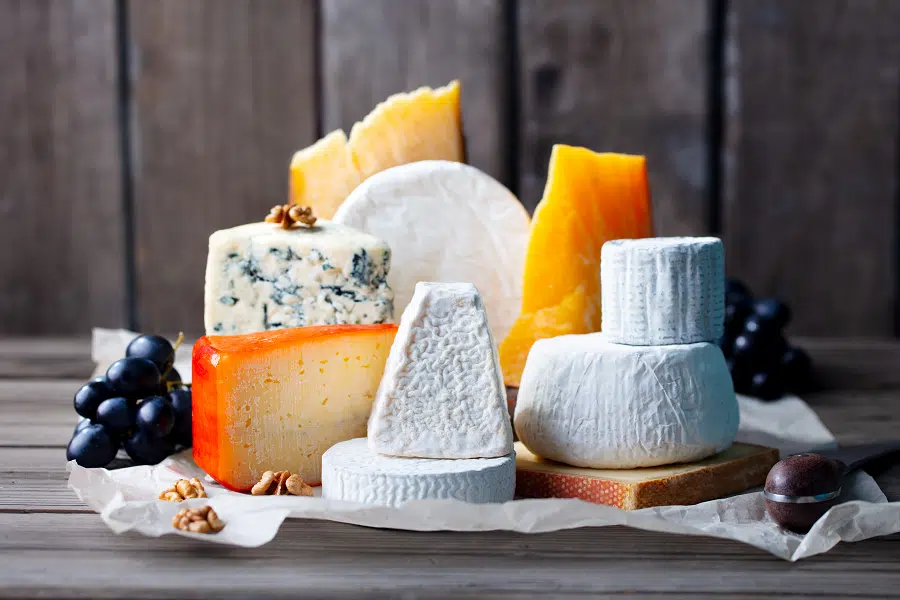
What Happens If You Eat Cheese Daily

Impact On Heart Health Cheese’s impact on heart health is a nuanced subject. While it is a source of cholesterol and saturated fats, which are…

Unhealthy Breakfast Foods To Avoid
Store-bought Fruit Juices Store-bought fruit juices, while often perceived as a healthy beverage choice, can be deceptive in their nutritional value. These juices are typically…

Major Recall Issued For Popular Grocery Items

La Guadalupana Foods LLC Frozen Tamales A Class I recall—the most serious category—was issued for La Guadalupana Foods LLC Mild Pork Tamales after it was…