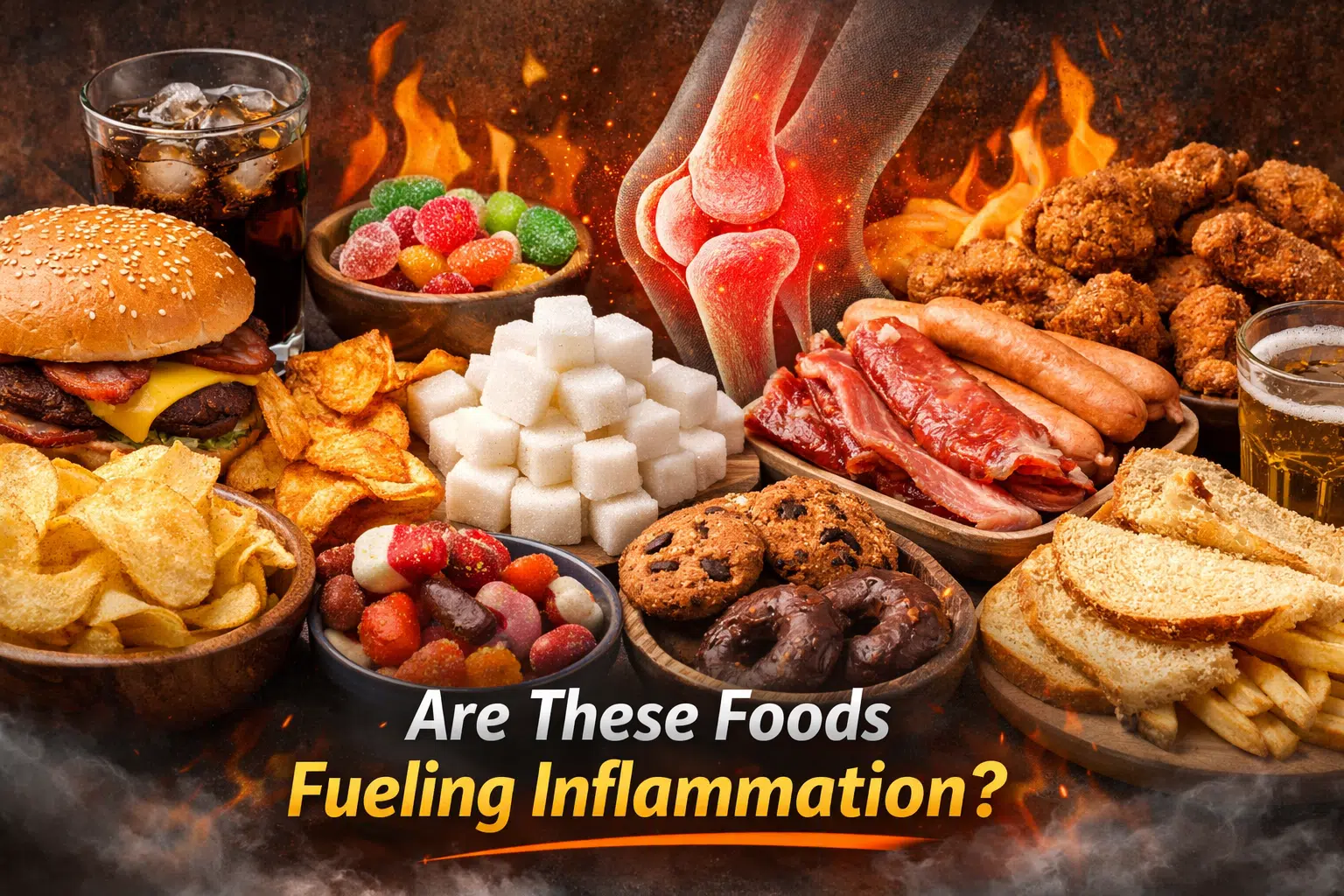
The kitchen emerges as a powerhouse for culinary creativity, seeking healthier, cost-effective, and tastier eating options. From the aroma of freshly baked bread to the zesty tang of homemade pickles, the difference between store-bought and homemade can be a revelation. This article delves into the myriad foods that, when crafted at home, can elevate your diet, reduce your carbon footprint, and enhance your cooking skills. It invites readers on a gastronomic journey, exploring the textures, flavors, and joys of home-cooked fare, guiding them through a selection of foods best served without a barcode.
Breads and Pastries

Baking bread at home is an ancient tradition that modern society has largely outsourced to commercial manufacturers. Yet, baking is experiencing a renaissance in home kitchens, where enthusiasts are rediscovering the rich flavors and satisfying textures of homemade loaves. The tactile pleasure of kneading dough and the aromatic bliss of bread fresh from the oven offer a serene escape from the preservatives and additives in many commercial breads. The initial investment in quality ingredients and baking tools can yield an array of breads and pastries tailored to personal tastes and dietary requirements, providing a clear edge over their store-bought counterparts.
Venturing into pastries, the contrast becomes even more pronounced. The flaky croissant’s flaky layers, a croissant, or the buttery crust of a tart cannot be replicated by mass-produced versions that often contain trans fats and artificial flavors. Home bakers can select their preferred ingredients, creating indulgent pastries free of unwanted chemicals. The process may seem daunting, but the satisfaction of mastering the puff pastry or the perfect pie crust is a reward in itself, encouraging bakers to embrace the craft and trust in the magic of their hands and ovens.
Nut Butter and Spreads

The shelves of grocery stores are lined with an array of nut butter and spreads, boasting convenience and long shelf lives. However, these products often have a hefty dose of added sugars, oils, and preservatives. Making nut butter at home is surprisingly straightforward and allows full control over the ingredients, ensuring that the end product is as pure and wholesome as possible. The only requirements are quality nuts and a robust food processor. The resulting spread is a fresher, healthier alternative that captures the true essence of the nuts used without the unnecessary additives.
Moreover, homemade spreads can be customized to individual preferences. From the creamy richness of hazelnut chocolate spread to the rustic charm of almond butter, each batch can be fine-tuned in texture and flavor. For those with dietary restrictions, this customization is not just a matter of taste but often a necessity. Home preparation ensures the final product is free from cross-contaminants and aligns with dietary needs, providing peace of mind and palatable pleasure.
Salad Dressings and Sauces

Commercially prepared salad dressings and sauces can transform a healthy salad into a calorie-laden meal with excess sodium and preservatives. In contrast, homemade dressings boast a freshness and flavor profile that bottled versions struggle to match. By whisking simple ingredients, one can create a vinaigrette or creamy dressing that elevates greens without overshadowing their natural taste. The ability to adjust the acidity, sweetness, and herbs to one’s liking is an advantage that makes a strong case for ditching store-bought bottles.
The same principle applies to sauces, whether it’s a rich tomato sauce for pasta or a savory gravy for meats. Homemade sauces can simmer with the full depth of flavor that only time and fresh ingredients can achieve. They can be prepared in large batches and stored conveniently, rivaling the ready-made versions without artificial preservatives. The creative freedom to infuse sauces with personal touches, such as a hint of smoked paprika or a splash of aged balsamic, transforms ordinary meals into extraordinary culinary experiences.