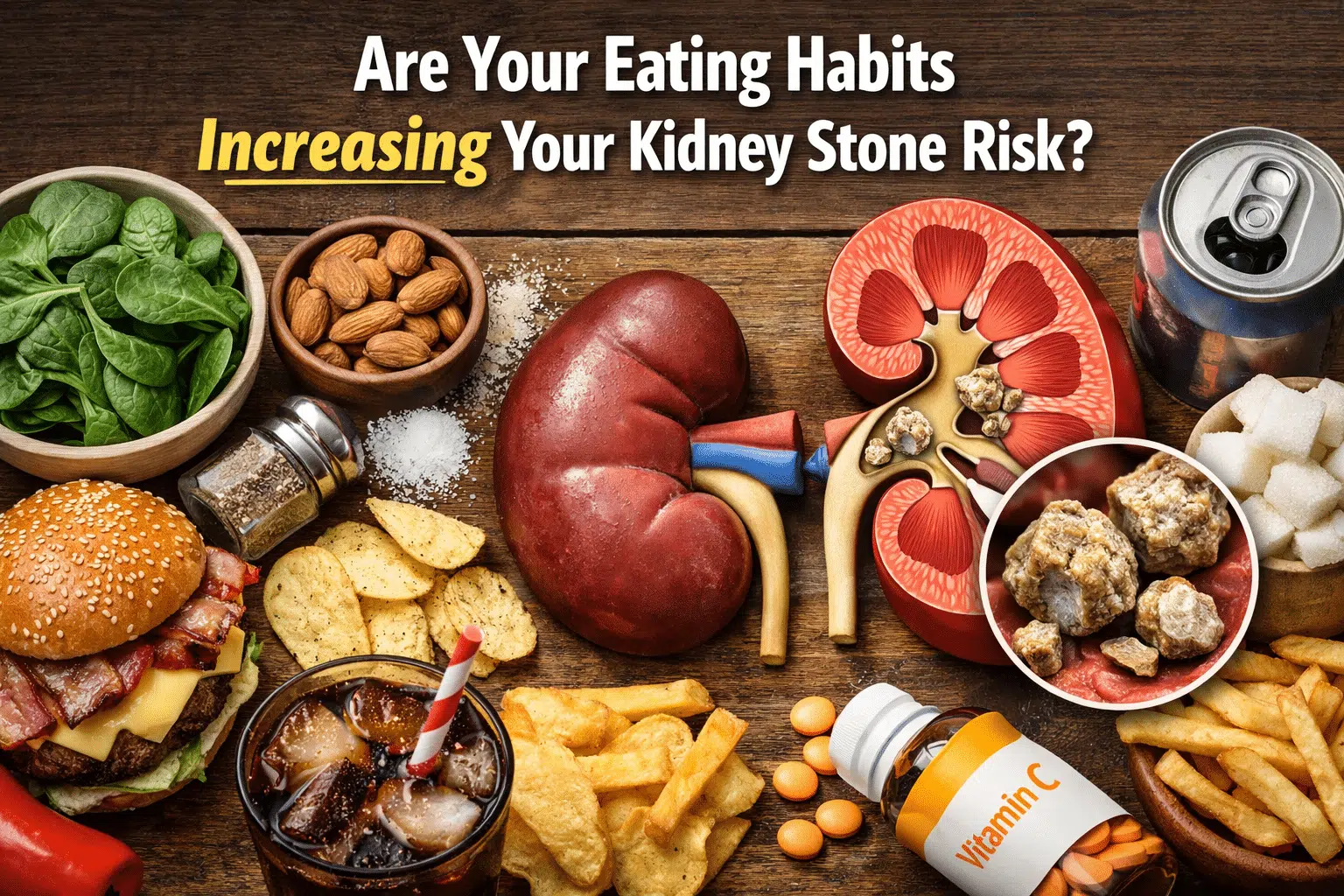
As the forties approach, many individuals find their bodies responding differently to the same foods they’ve enjoyed for decades. Metabolism slows, and the risk for certain health conditions increases, making it crucial to examine dietary choices more closely. This examination reveals a collection of foods that may be best left off the grocery list after 40, not only to prevent health complications but also to embrace a more vitality-filled, energetic second act of life.
Energy Drinks

The allure of instant energy from a can is hard to resist, especially when facing the natural decline in energy levels that can accompany the 40s. Energy drinks offer a quick fix with their high caffeine content, but this comes with increased risks for heart palpitations, high blood pressure, and sleep disturbances. These potential side effects are amplified in older adults, who may also be taking medications that could interact negatively with such high doses of caffeine.
Furthermore, the sugar content in these beverages is often exceedingly high, which can lead to weight gain, insulin resistance, and a heightened risk of type 2 diabetes—conditions that individuals over 40 need to be particularly wary of. Better options for sustaining energy levels include staying hydrated, getting adequate sleep, and choosing natural sources of caffeine, like a cup of coffee or tea, which provide a milder lift without the excessive sugars and other stimulants.
High-Sodium Snacks

Snacks that are high in sodium, such as chips, pretzels, and crackers, are a staple in many diets, yet they can stealthily contribute to an increased risk of hypertension and stroke—two health concerns that rise with age. The body’s ability to deal with excess sodium can diminish with time, making it more challenging to maintain a healthy blood pressure. Moreover, high sodium intake can lead to water retention, causing swelling and discomfort, which can become more common after 40.
Opting for low-sodium snack alternatives is a simple yet effective way to mitigate these risks. Fresh fruits, vegetables, and nuts offer not only reduced sodium levels but also beneficial nutrients that are essential for maintaining health with advancing age. These snacks can also aid in managing weight, providing fiber, and supporting overall well-being, which can often be undermined by the regular consumption of high-sodium snacks.
Sugary Cereals

Breakfast is often called the most important meal of the day, yet many of the cereals lining store shelves are laden with sugar. Consuming high amounts of sugar, especially early in the day, can lead to rapid spikes in blood glucose levels. This rollercoaster of energy highs and lows can challenge the body’s insulin response, a system that often becomes less efficient after 40. Regularly starting the day with a bowl of sugary cereal also increases the risk of developing type 2 diabetes and contributes to weight gain, a common concern among the over-40 demographic.
There are ample opportunities to start the day right with nutrient-rich breakfast options. Whole grain cereals with low added sugar, oatmeal topped with fruit, or yogurt with nuts and seeds provide sustained energy and essential nutrients without the unwanted sugar crash. By choosing these wholesome foods, individuals over 40 can support their body’s health needs, maintain steady energy levels throughout the day, and manage their glycemic load more effectively.
White Bread And Refined Flours

Refined grains, such as those found in white bread, have been stripped of their nutritious bran and germ during processing, leaving behind a product that can quickly elevate blood sugar levels. Frequent consumption of these foods can lead to a cycle of blood sugar spikes and crashes, taxing the body’s insulin-regulating capabilities over time. For those over 40, who often begin to experience a natural decline in metabolic rate, this can contribute to increased fat storage, higher risk of type 2 diabetes, and greater difficulty in maintaining a healthy weight.
Turning to whole grains can have a profound impact on health and well-being. Foods made from whole grains contain the entire grain kernel, providing fiber, vitamins, and minerals that help regulate digestion and maintain stable blood sugar levels. Swapping out white bread for whole-grain options, brown rice for white, and choosing pastas made from whole grains can support cardiovascular health and provide the body with steady energy, which is particularly beneficial for those managing the natural changes that occur with aging.