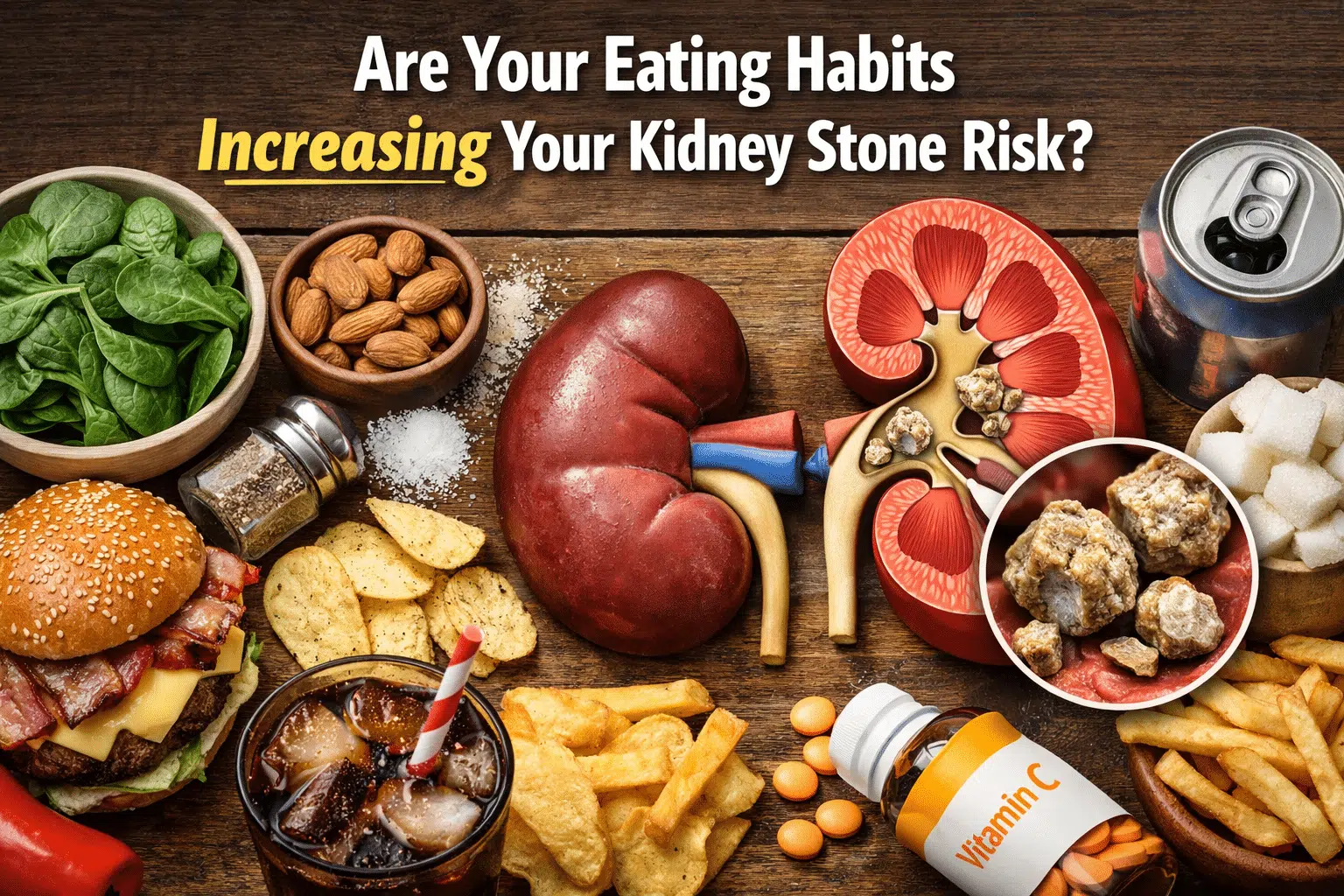
Navigating dietary choices becomes increasingly crucial as one crosses the threshold of 30. This pivotal age marks a shift in metabolism and nutritional needs, making it essential to reassess eating habits. The focus here is on identifying foods that might do more harm than good in this new chapter of life. Understanding what to avoid is just as important as knowing what to include in a diet. This guide delves into the specifics, helping to make informed decisions for maintaining health and vitality after your 30s.
Contents
Processed Sugars

Processed sugars are a hidden foe in many diets, especially harmful as one’s metabolism slows down with age. These sugars, often found in sweets, sodas, and various processed foods, can lead to weight gain, a heightened risk of type 2 diabetes, and even affect skin health, accelerating the appearance of aging. The body’s decreasing ability to handle insulin spikes caused by processed sugars underscores the need for caution.
Switching to natural sweeteners like honey or maple syrup and incorporating more whole fruits for sweetness can be beneficial. It’s not just about cutting out the sweet taste but about finding healthier ways to satisfy those cravings. This approach not only helps in managing weight but also supports overall well-being.
Trans Fats And High Saturated Fats

Trans fats and high saturated fats, often lurking in fast foods, baked goods, and many pre-packaged items, pose significant health risks. Consuming these fats can lead to increased cholesterol levels and a higher risk of heart disease, particularly concerning as one ages. The body’s efficiency in processing these fats diminishes, making it more susceptible to their adverse effects.
To maintain heart health and manage cholesterol levels, it’s advisable to opt for healthier fats found in foods like avocados, nuts, and olive oil. These alternatives not only provide essential fatty acids but also help in the absorption of vital nutrients. Balancing fat intake is key to a heart-healthy diet, especially in the later years of life.
Processed And Red Meats

Processed and red meats, while a staple in many diets come with their own set of concerns. Studies have linked excessive consumption of these meats to increased risks of certain cancers and heart disease. The preservatives and high-fat content in these meats can be particularly taxing on an aging body, which may not process these elements as efficiently as it once did.
Incorporating leaner meats like poultry and fish, or even plant-based protein sources such as beans and lentils, can be a healthier alternative. These protein sources are not only lower in harmful fats but also provide other essential nutrients beneficial for aging bodies. Diversifying protein intake can lead to a more balanced and heart-healthy diet.
High-Sodium Foods

High-sodium foods are often a hidden danger in many diets, particularly harmful as one gets older. Excessive sodium intake can lead to elevated blood pressure and strain on the heart, issues that become more pronounced with age. Many processed foods, even those not overtly salty, can contain high levels of sodium, making it crucial to read labels carefully.
Reducing sodium intake can involve simple steps like cooking more meals at home, using herbs and spices for flavor instead of salt, and choosing fresh or frozen produce over canned varieties. These changes not only help in controlling sodium intake but also contribute to an overall healthier eating pattern. As taste preferences adjust, one might find enjoyment in the natural flavors of food unmasked by excessive salt.