Alcohol

Alcohol consumption is a well-established risk factor for several types of cancer, including liver, breast, esophageal, and oral cancers. Alcohol has been classified as a Group 1 carcinogen, indicating that there is strong evidence of its carcinogenicity in humans. The risk of cancer increases with the amount of alcohol consumed and the frequency of consumption. Alcohol can damage body tissues, interfere with the absorption of essential nutrients, and produce harmful metabolites like acetaldehyde.
The relationship between alcohol and cancer is also influenced by other factors, such as genetics and lifestyle. Individuals who smoke and consume alcohol, for example, have a significantly higher risk of developing oral and throat cancers than those who only engage in one of these behaviors. Moderation in alcohol consumption or complete abstinence is advisable to reduce cancer risk, along with a healthy lifestyle that includes regular physical activity and a balanced diet.
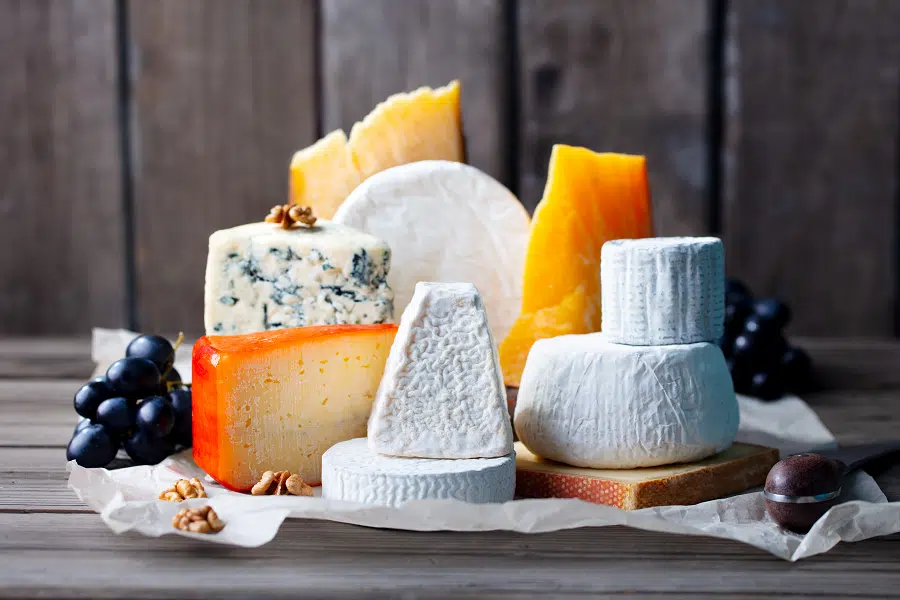
Dairy

Dairy products, particularly those high in fat, have been the subject of research regarding their potential link to cancer. Some studies suggest that high-fat dairy products may be associated with an increased risk of certain types of cancer, such as prostate and breast cancer. The high calorie and fat content of these products can contribute to weight gain, a risk factor for several cancers. Additionally, the presence of hormones in dairy products, which are used to stimulate milk production in cows, has raised concerns about their impact on human health.
However, the relationship between dairy consumption and cancer risk is complex and not fully understood. Some studies have found that certain dairy products might have protective effects against certain types of cancer, like colorectal cancer. This highlights the importance of balance and moderation in dairy consumption. Choosing low-fat dairy options and limiting the intake of high-fat dairy products can be a sensible approach to reducing potential cancer risks associated with dairy consumption.
Sugary Drinks

Sugary drinks, including sodas and fruit-flavored beverages, pose a significant cancer risk, primarily due to their role in promoting obesity. Obesity is a known risk factor for various types of cancer, such as endometrial, esophageal, and renal cancers. The high sugar content in these drinks leads to excessive calorie intake without providing essential nutrients, contributing to weight gain. Additionally, frequent consumption of sugary drinks can lead to an increased risk of developing type 2 diabetes, another risk factor for several cancers.
The relationship between sugary drinks and cancer also involves the mechanism of insulin resistance. High sugar intake causes spikes in insulin levels, and over time, this can lead to insulin resistance. This condition is associated with an increased risk of several cancers, as high insulin levels can promote the growth of cancer cells. Studies suggest that reducing the intake of sugary drinks can be a beneficial step in lowering cancer risk, along with improving overall health.
Refined Grains

Refined grains, such as white bread, pasta, and rice, have been associated with an increased risk of cancer due to their high glycemic index. Foods with a high glycemic index can lead to rapid spikes in blood sugar and insulin levels, contributing to obesity and insulin resistance, both of which are risk factors for several types of cancer. Refined grains are stripped of their fiber and essential nutrients during processing, reducing their nutritional value and health benefits.
The lack of fiber in refined grains is a significant concern, as fiber plays a crucial role in maintaining a healthy digestive system and preventing colorectal cancer. Whole grains, on the other hand, are rich in fiber, vitamins, and minerals, and have been associated with a lower risk of cancer. Therefore, replacing refined grains with whole grains in the diet can contribute to better overall health and a reduced risk of cancer.
The Bottom Line
Understanding the relationship between diet and cancer risk is crucial for making informed dietary choices. Foods high in sugar, unhealthy fats, and carcinogenic compounds, such as desserts, processed meats, sugary drinks, fried foods, and certain dairy and grain products, can increase the risk of developing cancer. Limiting the intake of these foods, along with moderate alcohol consumption, can be beneficial in reducing this risk. Adopting a balanced diet, rich in fruits, vegetables, whole grains, and lean proteins, along with regular physical activity, is essential for maintaining overall health and potentially lowering the risk of cancer.
This post contains Amazon affiliate links, Please see my disclosure policy to learn more.