Herbs and Spices: Locking in Freshness

Herbs and spices are essential for flavoring dishes, but they can quickly wilt or lose their potency. Freezing herbs like basil can preserve their flavor and make them more convenient for sauces and stews. Simply chop the herbs, place them in an ice cube tray with water or olive oil, and freeze. When it’s time to cook, these herb cubes can be dropped directly into the pot, releasing their flavors as they melt.
Cookie dough is another baked good that fares well in the freezer. Preparing a large batch of cookie dough and freezing it in individual portions provides the convenience of having ready-to-bake cookies at any time. Similarly, cakes can be baked, cooled, and frozen to make frosting and decorating easier. The cake’s crumb structure firms up, making it less likely to crumble when you apply frosting. This technique is particularly useful for intricate designs that require a steady hand and a firm surface.
Dairy Products: A Freezing Guide

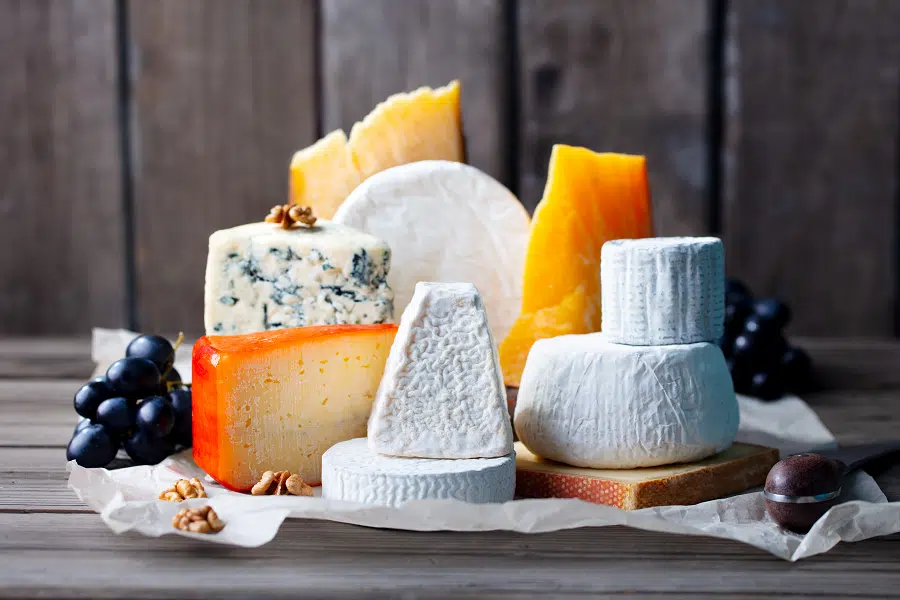
Cheese is a dairy product that can be successfully frozen without affecting its flavor. Hard and semi-hard cheeses like cheddar and gouda can be grated, sliced, and then frozen for later use. This extends their shelf life and makes using the exact amount needed for a recipe easier. Soft cheeses like cream cheese can also be frozen, although their texture may change slightly upon thawing.
Milk
and yogurt are other dairy products that can be frozen. Freezing milk in smaller portions allows for easy thawing and reduces the chances of spoilage. Frozen yogurt can be enjoyed as a creamy frozen treat or used in smoothies. However, it’s important to note that the texture of yogurt may change after freezing, making it less suitable for use in recipes that require a smooth consistency.Unconventional Foods to Freeze

Coffee aficionados may be surprised to learn that coffee beans can be frozen to preserve their aroma and flavor. Freezing coffee beans slows the oxidation process, making coffee taste stale. It’s best to freeze them in an airtight container to prevent moisture from affecting the quality. Rice is another unconventional food that can be frozen. Cooked rice can be portioned and frozen for quick reheating, making meal prep more convenient.
Eggs are another surprising candidate for the freezer. While it’s not advisable to freeze whole eggs, egg whites can be frozen and later used in recipes that require them. This is particularly useful for those who frequently use egg yolks in their cooking but don’t want to waste the whites. Freezing them in ice cube trays allows for easy portioning and quick thawing.
The Bottom Line
The act of freezing food has often been relegated to a mere preservation method, but as this article has demonstrated, it can be so much more. From enhancing the flavors of fruits and vegetables to making meat safer and more tender, freezing can be a culinary game-changer. Even herbs, baked goods, and dairy products can benefit from a stint in the freezer, not to mention some unconventional foods you might never have considered freezing. So the next time you find yourself with excess produce or perishables, don’t just think of freezing as a last resort. Embrace it as a valuable technique that can elevate your cooking and reduce waste, making your culinary endeavors more delicious and sustainable.