

Energy Bars

Energy bars market themselves as the perfect on-the-go snack for busy people looking for a quick energy boost. With attractive packaging featuring words like “protein-packed” and “fiber-rich,” it’s easy to assume these bars are a healthy choice. However, a closer look at the ingredient list often reveals a different story, including high amounts of sugar, artificial preservatives, and even trans fats in some cases.
There’s a time and place for energy bars, particularly for athletes who need a quick energy source during intense physical activity. However, for everyday snacking, it’s advisable to look for alternatives. Fresh fruits paired with a handful of nuts or a small serving of natural peanut butter can provide a balanced mix of carbs, protein, and healthy fats without all the added sugar and preservatives.
Rice Cakes

Rice cakes have long been heralded as a low-calorie alternative to traditional snacks like chips or crackers. Because they are low in calories, many people use them as a weight-loss aid, assuming they are a healthy choice. Unfortunately, rice cakes are essentially void of essential nutrients. They offer little protein, fiber, or vitamins, making them a less-than-ideal snack option for nourishing their bodies.
The lack of nutrients in rice cakes also means they won’t keep you full for long, potentially leading to overeating later. A more satisfying and nutritious alternative might be whole-grain crackers or vegetable sticks paired with hummus, offering a combination of fiber, protein, and healthy fats that can contribute to a balanced diet.
Veggie Chips

Veggie chips are often marketed as a healthier alternative to potato chips. While it’s true they’re made from vegetables like sweet potatoes, zucchini, and kale, the nutritional benefits of these veggies often get lost in the production process. Veggie chips can contain just as much salt and oil as regular chips through frying and seasoning.
Consider making veggie chips at home if you’re craving a crunchy snack. Using a dehydrator or baking at a low temperature can maintain more nutrients while still achieving that satisfying crunch. Alternatively, opt for fresh vegetables like
carrot sticks or bell pepper slices for a healthy snack.Pre-Made Smoothies

Pre-made smoothies offer the allure of convenience coupled with the promise of packed nutrients. It’s tempting to grab one off the shelf, thinking it’s a shortcut to a healthier lifestyle. However, many store-bought smoothies contain added sugars, preservatives, and sometimes even artificial flavors. What was once a simple blend of fruits and maybe some yogurt or milk becomes a calorie-laden beverage.
The solution? Make smoothies at home. This allows for complete control over the ingredients, ensuring that what goes into the blender aligns with dietary goals. Using whole fruits, unsweetened dairy or plant-based milks, and natural sweeteners like honey or stevia can make for a tasty, nutritious beverage without unnecessary additives.
The Bottom Line
Navigating the maze of foods labeled as ‘healthy’ can be daunting. The key takeaway from this exploration is the importance of reading labels and understanding what truly goes into these foods. Rather than relying on marketing buzzwords or packaging claims, making informed decisions involves a deeper understanding of nutritional content. Healthy eating isn’t just about avoiding fats or counting calories; it’s a holistic approach that requires awareness and thoughtful choices. While indulging in some of these ‘healthy’ options occasionally is fine, a balanced diet should prioritize whole, nutrient-dense foods for long-term well-being.
Related Posts

Prime Big Deal Days Early Access Is Live — These Deals Won’t Last

% Deals & Savings Prime Big Deal Days Early Access Is Live — These Deals Won’t Last Your guide to scoring the best deals before…

The Ultimate Guide to Amazon’s 2026 Labor Day Deals

.ug-labor-day-2026 * { box-sizing: border-box; } .ug-labor-day-hero { background: linear-gradient(135deg, #131921 0%, #232F3E 100%); padding: 60px 30px; border-radius: 12px; margin-bottom: 40px; position: relative; overflow: hidden;…
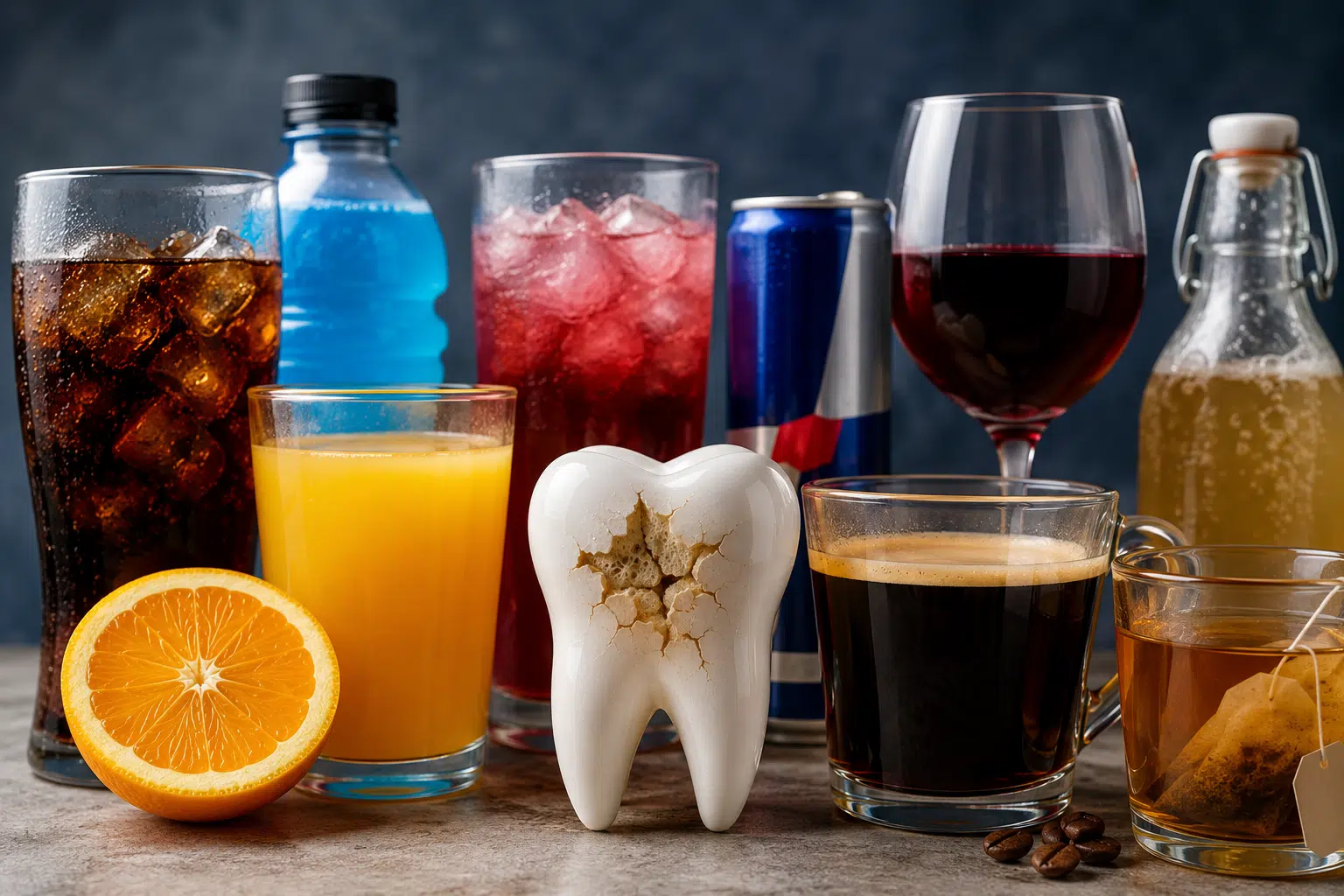
Drinks That Are Damaging Your Teeth
.hfm-ddt-wrap { font-family: ‘Nunito’, sans-serif; color: #222; max-width: 860px; margin: 0 auto; background: transparent; line-height: 1.8; } /* ── HERO ───────────────────────────────────── */ .hfm-ddt-hero { background:…