Skip to content

Are Your Comfort Foods Doing More Harm Than Good?

Comfort foods are the go-to for solace and nostalgia, offering a delicious escape in moments of stress or sadness. These familiar favorites, from creamy macaroni and cheese to sweet, indulgent ice cream, not only soothe your soul but also spark joy with their flavors. However, the pleasure derived from these foods might carry hidden costs. This post explores the potential harm behind the comfort, examining the nutritional deficiencies, psychological effects, and health risks associated with frequent consumption of these comforting yet calorie-rich dishes. As you delve into whether these foods do more harm than good, you’ll uncover the balance between enjoying life’s culinary comforts and maintaining your health.

Nutritional Pitfalls of Popular Comfort Foods

Comfort Foods

Comfort foods, while soothing to the soul, are typically loaded with calories, sugars, and unhealthy fats. Take, for example, dishes like loaded fries and cheesy pizzas, which are staples for many but are high in saturated fats and lack essential nutrients. These foods offer little in terms of vitamins, minerals, or fiber, which are crucial for maintaining good health. Over time, a steady diet of these meals can lead to weight gain, high cholesterol, and a host of heart-related issues.

The problem compounds when these foods become a regular part of one’s diet. Regular consumption makes it difficult to maintain a balanced diet, as comfort foods can displace healthier options that are better for long-term health. The result can be not only obesity but also an increased risk of chronic diseases such as diabetes and heart disease. Understanding these risks can help in making informed choices about when and how much to indulge in these tempting but potentially harmful foods.

Psychological Effects of Comfort Eating

Comfort Foods

Comfort eating often starts as an emotional salve but can quickly turn into a psychological trap. The temporary relief provided by comfort foods can lead to a cycle where stress drives eating, and eating becomes a cause for more stress. This cycle is harmful because it can establish long-term eating habits that are difficult to break. Moreover, the guilt associated with overeating can exacerbate stress, further reinforcing the cycle.

Furthermore, dependency on comfort food for emotional management can mask underlying mental health issues. It can prevent individuals from seeking healthier psychological coping mechanisms. Instead of resolving the emotional distress, comfort eating can lead to mood swings and worsened mental health over time. Recognizing these patterns is the first step towards developing healthier eating habits that support both mental and physical well-being.

Comfort Foods and Chronic Diseases

Comfort Foods

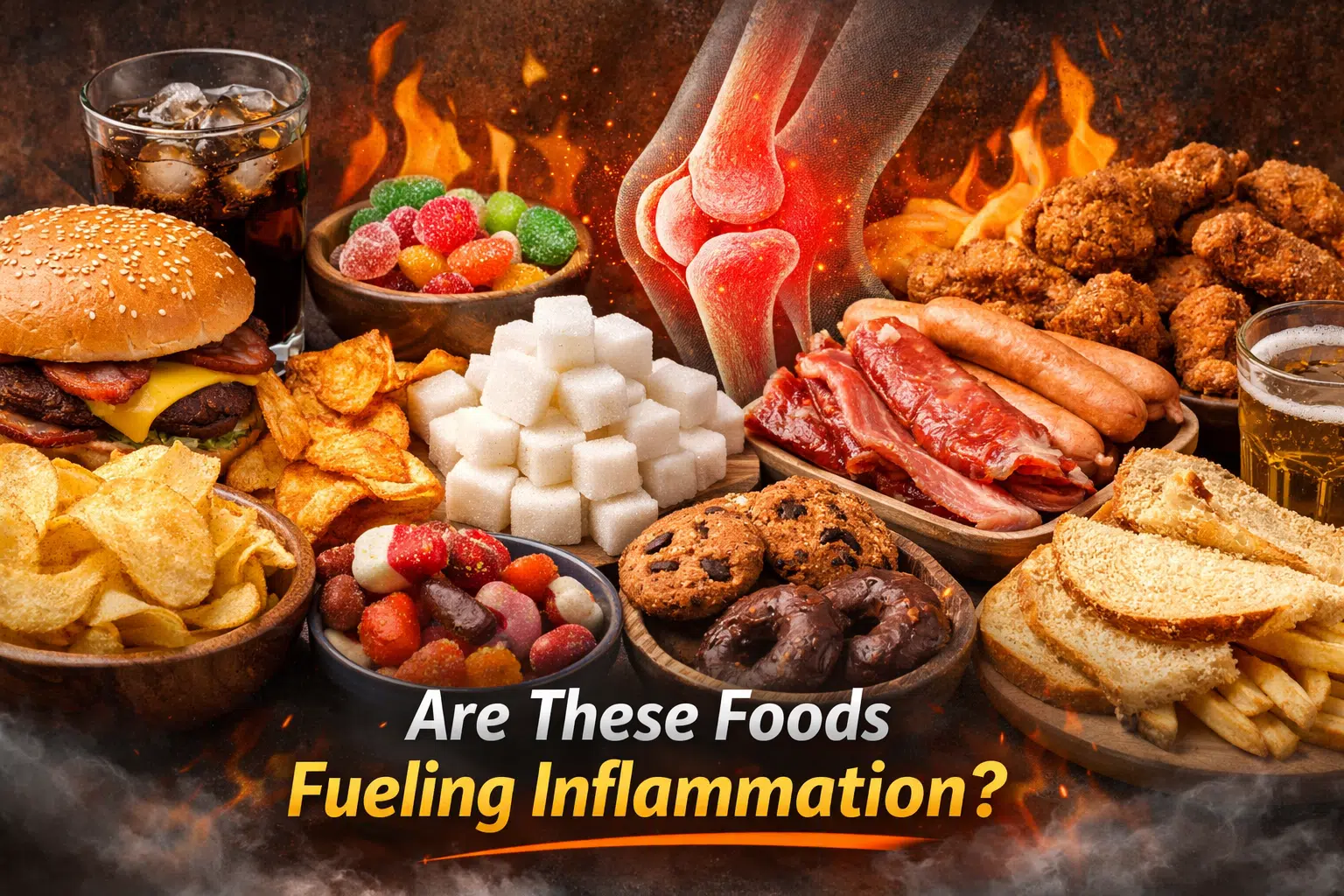
The link between chronic diseases and comfort food consumption is increasingly clear. Foods high in sugars and fats contribute to the development of metabolic syndromes, including type 2 diabetes and hypertension. Ingredients commonly found in these meals, like trans fats and high-fructose corn syrup, are particularly aggressive in exacerbating these conditions. Their effects on insulin resistance and blood pressure are well-documented and can have long-lasting health impacts.

Beyond immediate effects, the regular consumption of comfort foods can alter the body’s metabolism and its ability to regulate sugar and fat. This can increase the risk of developing more severe health conditions, such as heart disease and strokes. As these diseases often develop gradually, the connection to diet might not be immediately apparent, making it crucial to consider long-term dietary patterns in maintaining health.
The Social and Cultural Dimensions

Comfort Foods

Comfort food consumption is deeply embedded in social and cultural contexts. Family gatherings, for example, often feature rich, traditional dishes that can encourage overeating. These foods are not only linked to tradition and celebration but also to communal bonding. The social pressure to indulge can make it difficult for individuals to choose healthier options without feeling isolated.

Additionally, media and advertising play significant roles in popularizing certain comfort foods, making them seem irresistible. These influences can shape public perceptions about what foods are desirable, often prioritizing taste and convenience over nutritional value. Breaking free from these cultural norms requires a conscious effort to choose health over habit, a challenge that many face in a world where food is not just sustenance but also a symbol of social identity.

Impact on Digestive Health

Comfort Foods

Comfort foods, while satisfying, are often rich in fats and low in fiber, which can disrupt normal digestive processes. Foods such as cheesy casseroles and creamy desserts can lead to discomforts like bloating and constipation. These effects are exacerbated when such meals become a staple in one’s diet, as the lack of necessary fibers can impair gut health over time. Additionally, the excessive use of additives and preservatives in processed comfort foods can further strain digestive wellness.

Long-term reliance on low-fiber, high-fat comfort foods also increases the risk of more serious digestive issues, including irritable bowel syndrome (IBS) and gastroesophageal reflux disease (GERD). The absence of balanced nutrients can alter the gut flora, leading to a decrease in beneficial bacteria and an increase in harmful pathogens. To mitigate these risks, incorporating fiber-rich foods like fruits, vegetables, and whole grains into one’s diet is essential, even when indulging in comfort foods.

Reevaluating Comfort Foods: A New Perspective

Comfort Foods

The allure of comfort foods often blinds you to their nutritional pitfalls. It’s crucial to reevaluate your choices and the role these foods play in your life. Mindful eating strategies, such as paying attention to hunger cues and eating without distractions, can help maintain a balance. Additionally, understanding the emotional triggers that lead to comfort eating can empower individuals to develop healthier coping mechanisms.

Adopting a new perspective on comfort foods doesn’t mean giving them up entirely. Instead, it involves transforming the approach to how these foods are prepared and consumed. By tweaking recipes to boost their nutritional value—for instance, substituting baked sweet potato fries for traditional fried ones or using whole grain instead of white pasta—comfort foods can be enjoyed in a way that also supports health. This shift not only improves dietary habits but also preserves the joy and comfort these foods provide.

Practical Tips to Choose Healthier Alternatives

Comfort Foods

Choosing healthier alternatives to traditional comfort foods can seem daunting, but it’s quite achievable with a few practical tips. Start by substituting ingredients that have high nutritional profiles. For example, replacing sour cream with Greek yogurt in dips and toppings can significantly reduce fat intake while adding protein. Likewise, opting for air-popped popcorn instead of movie-theater popcorn allows for a satisfying snack without the unhealthy fats.

Another effective strategy is portion control. Serving smaller portions can help satisfy cravings without overindulging. It’s also beneficial to prepare comfort foods at home, where control over ingredients is possible. Homemade meals tend to have fewer calories and less sodium than their restaurant or store-bought counterparts. By taking these small but impactful steps, it’s possible to enjoy the essence of comfort foods without compromising health.

Smarter Choices, Healthier Comforts

As you’ve explored the intricate relationship between comfort foods and health, it’s evident that while these foods offer emotional and gustatory satisfaction, they also pose significant health risks if not managed properly. Embracing a balanced approach, where mindful eating and smarter food choices prevail, can help you enjoy your favorite comfort foods without sacrificing your health. It’s about making informed decisions that enhance your well-being, turning comfort food into a source of joy and nourishment rather than a health liability.