How To Start

Before you start fasting, you should keep a few things in mind. First, it’s important to increase your fasting time each day gradually. Start fasting for just a few hours and then gradually increase your time each day until you reach your goal. Fasting for too long or too quickly can be challenging on your body and may cause headaches, dizziness, or nausea. Second, drink plenty of water and other healthy fluids while fasting. Fasting should be a comfortable experience, not a difficult challenge. Dehydration is the number one enemy of fasting, so drink plenty of fluids, especially during hot weather. Finally, take it slow and don’t push yourself. If you find fasting too difficult or causes discomfort, ease up on the fast and try again later. With a little patience and practice, you’ll be able to start fasting successfully.
What To Eat While Fasting

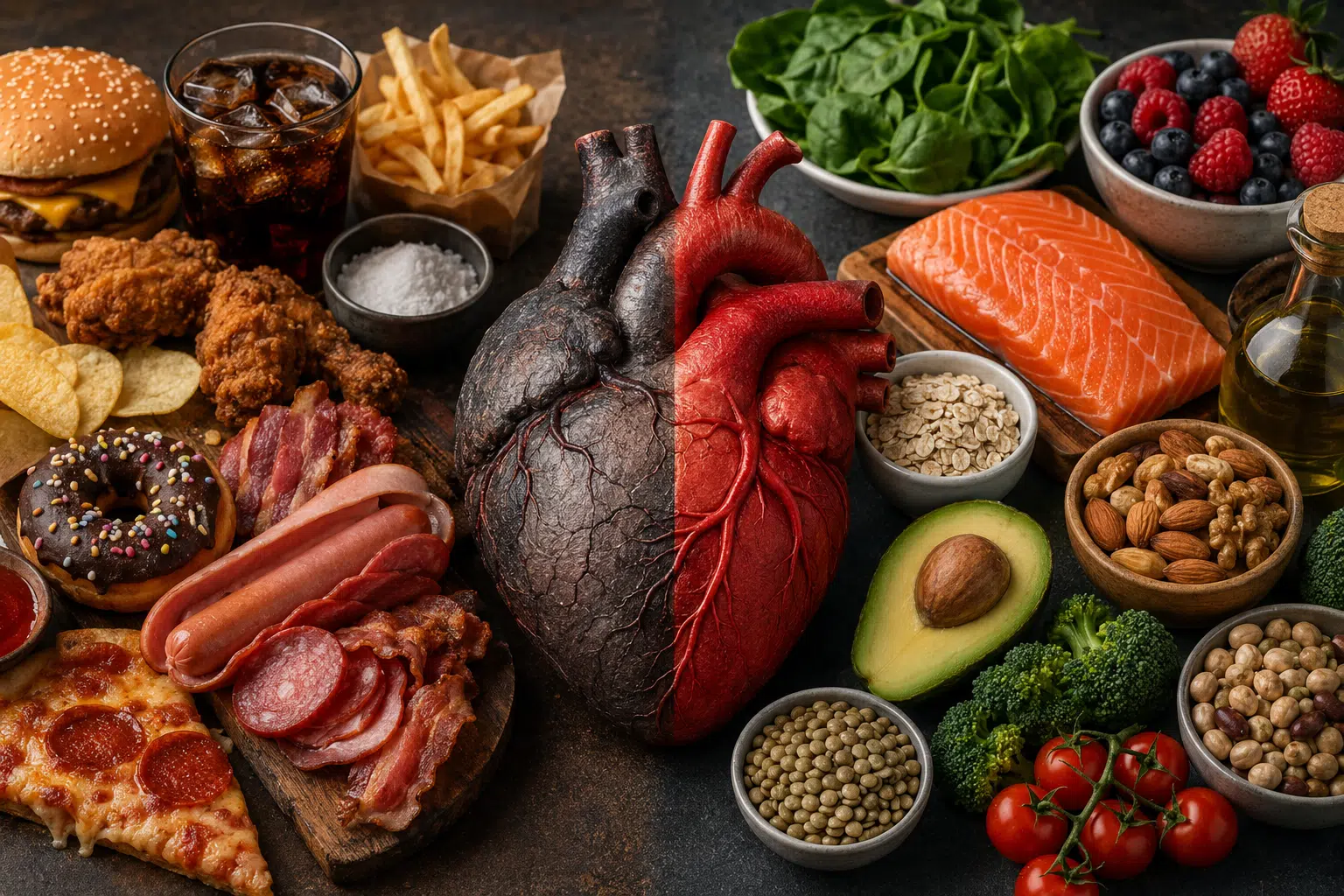
While fasting, it is essential to eat healthy and nutritious foods. During the day, you should focus on eating fruits and vegetables, which are high in fiber and water, which will help to keep you hydrated and provide essential nutrients. Avoid processed foods and sugary snacks, which can slow you down and make concentrating difficult. In the evening, you can eat a smaller meal that includes protein and carbohydrates, which will help you to stay energized throughout the day. By following these guidelines, you can ensure that you get the most out of your fasting experience.
How To Break Your Fast

Fasting is a term used to describe various diets and eating habits. One popular type of fasting is the intermittent fasting diet, which involves cycling between periods of eating and fasting. Intermittent fasting can be a healthy way to lose weight or to improve health markers such as blood sugar and cholesterol levels. However, it is essential to break your fast correctly to reap the benefits of fasting.
There are a few things to keep in mind when breaking your fast:
- It is important to eat slowly and mindfully. Chew each bite of food carefully, and take your time to enjoy your meal.
- Make sure to include plenty of healthy foods in your breakfast. Include plenty of protein, fruits, and vegetables, and avoid processed foods and sugary drinks.
- Drink plenty of water throughout the day.
Dehydration can be a common side effect of fasting, so drink plenty of fluids to stay hydrated. Finally, be patient. It may take time for your body to adjust to breaking your fast, so don’t be discouraged if you don’t feel great at first. With time and patience, you will eventually adjust to breaking your fast correctly.
These Are The Things You Need To Know About Fasting
While fasting may have some dangers if not done properly, it can also be a great way to detox your body, lose weight, and improve your health. If you’re interested in trying out fasting, start by gradually adding more days of fasting to your routine and slowly working up to longer periods. Be sure to drink plenty of water and eat healthy foods while fasting. And when you break your fast, do so gradually by eating smaller meals spaced out throughout the day. With a little planning and preparation, you can successfully incorporate fasting into your lifestyle and enjoy all its benefits.