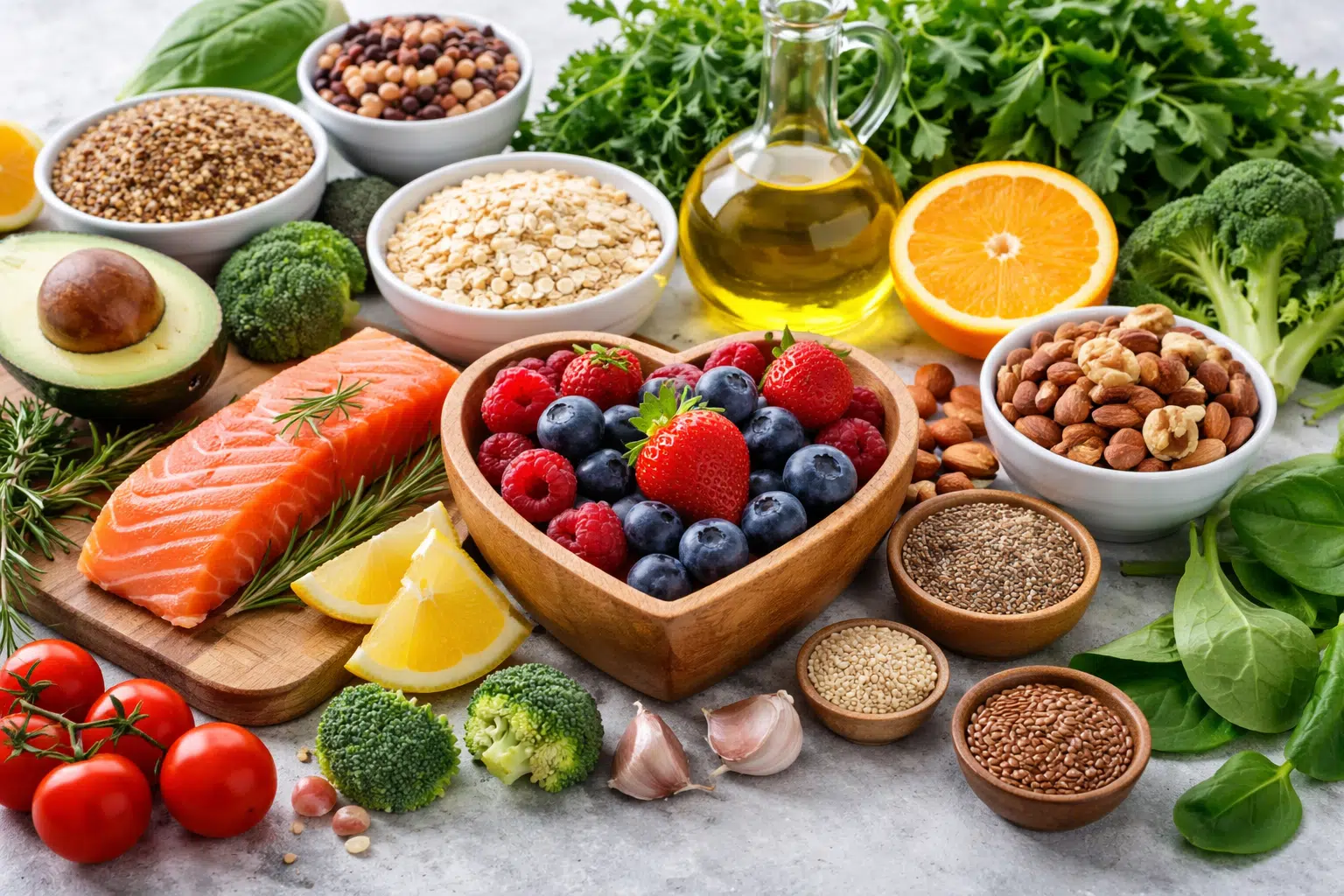
Embarking on a journey towards healthy eating is a transformative step towards better health and well-being. This guide delves into eight practical ways to cultivate healthy eating habits, each method building upon the last to create a comprehensive approach. From understanding the basics of nutrition to mastering the art of healthy cooking, these strategies are designed to guide you through making lasting changes. Whether you’re looking to overhaul your diet or simply make more mindful food choices, these steps will pave the way for a healthier lifestyle.
Grasping Nutritional Fundamentals

Nutrition forms the cornerstone of healthy eating. A solid understanding of macronutrients – proteins, carbohydrates, and fats – and their roles in the body is crucial. Equally important are micronutrients, like vitamins and minerals, which support various bodily functions. Recognizing the balance between these nutrients is key to a well-rounded diet. This knowledge not only helps in making informed food choices but also in understanding how different foods impact your body and overall health.
The concept of a balanced diet extends beyond just choosing ‘healthy’ foods. It involves understanding the right proportions of each nutrient to support bodily functions optimally. For instance, while proteins are essential for muscle repair and growth, carbohydrates provide the necessary energy for daily activities. Fats, often misunderstood, are vital for hormone production and nutrient absorption. Grasping these fundamentals sets a strong foundation for developing healthy eating habits.
Planning Balanced Meals

Meal planning is a strategic approach to healthy eating. It involves selecting a variety of foods to ensure a balance of nutrients in every meal. Start by dividing your plate into sections: half for vegetables and fruits, a quarter for lean proteins, and another quarter for whole grains. This visual guide simplifies the process of creating balanced meals. Additionally, incorporating a variety of colors and types of food not only enhances nutrient intake but also makes meals more enjoyable.
Another aspect of meal planning is preparing in advance. This can mean batch-cooking meals for the week or prepping ingredients to save time. Planning helps in avoiding impulsive eating decisions that often lead to unhealthy choices. It also ensures that you have healthy options readily available, reducing the temptation to opt for fast food or processed snacks. By taking the time to plan, you’re setting yourself up for success in your healthy eating journey.
Smart Grocery Shopping

Grocery shopping is where healthy eating habits come to life. Begin by making a list based on your meal plan, focusing on whole, unprocessed foods. Stick to the perimeter of the store where fresh produce, dairy, and meats are typically located. This strategy helps in avoiding the central aisles where processed and high-sugar foods are found. By shopping with a list, you’re more likely to buy only what you need, reducing waste and unnecessary purchases.
Reading labels is another crucial aspect of smart grocery shopping. Look for items with minimal ingredients, all of which you can recognize and pronounce. Be wary of hidden sugars and excessive sodium in packaged foods. Opting for organic and locally sourced products can also enhance the quality of your diet. Remember, the choices you make at the grocery store significantly influence your eating habits at home.
Mastering Healthy Cooking Techniques

Healthy cooking is not just about the ingredients; it’s also about how you prepare them. Start by embracing methods like steaming, grilling, baking, and stir-frying, which require less oil and retain more nutrients compared to deep-frying or sautéing. Experimenting with herbs and spices can add flavor without the need for excess salt or fat. This exploration not only enhances the taste of your meals but also introduces you to a world of diverse cuisines and flavors.
Cooking at home also gives you complete control over what goes into your food. It allows you to make healthier substitutions, like using whole grain instead of refined flour or olive oil instead of butter. Preparing your meals can be a rewarding experience that fosters a deeper connection with the food you eat. It encourages a mindful approach to eating, where you’re more likely to savor and enjoy your meals, leading to greater satisfaction and better eating habits.