Skip to content

Foods That Will Fight Inflammation

Inflammation, often a protective response by the body to injury or infection, can become a persistent and harmful condition when it lingers without a clear cause. Chronic inflammation is linked to numerous health issues, including heart disease, arthritis, and certain cancers. The role of diet in managing and potentially reducing inflammation is increasingly recognized. This exploration delves into a variety of foods known for their ability to fight inflammation, offering valuable insights for anyone looking to enhance their health through informed dietary choices.

Understanding Inflammation

fight inflammation

Inflammation is a natural process that helps the body heal and defend itself from harm. However, when inflammation becomes chronic, it can lead to serious health problems. Chronic inflammation is often silent, going unnoticed for years and contributing to the development of diseases like heart disease, diabetes, and cancer. The causes of chronic inflammation can be numerous, including lifestyle factors like poor diet, lack of exercise, and exposure to toxins.

The impact of chronic inflammation on overall health cannot be overstated. It plays a role in almost every major disease, and understanding its mechanisms is crucial for effective prevention and treatment. Diet, particularly, has a significant influence on inflammation levels. Certain foods can exacerbate inflammation, while others, like the ones discussed in this post, can help reduce it. Recognizing these dietary influences is a key step in managing and improving health outcomes.

Berries: Nature’s Sweet Anti-Inflammatories

fight inflammation

Berries, such as blueberries, strawberries, and raspberries, are not only delicious but also packed with anti-inflammatory properties. These fruits are rich in antioxidants, particularly anthocyanins, which give berries their vibrant colors and are known for their anti-inflammatory effects. Studies have shown that regular consumption of berries can significantly reduce inflammation markers in the body.

The benefits of berries extend beyond just reducing inflammation. They also contribute to overall health by improving immune function and protecting against heart disease and other chronic conditions. Incorporating a variety of berries into one’s diet is a delightful way to combat inflammation. Whether added to smoothies, salads, or enjoyed as a snack, berries offer a sweet and healthful addition to any meal plan.
SaleBestseller No. 1

Fatty Fish: Omega-3 Powerhouses

fight inflammation

Fatty fish, like salmon, mackerel, and sardines, are renowned for their high Omega-3 fatty acid content, which is essential in fighting inflammation. These Omega-3s, particularly EPA and DHA, have been extensively studied for their role in reducing the body’s inflammatory response. Regular consumption of fatty fish has been linked to decreased levels of inflammatory markers, such as C-reactive protein (CRP).

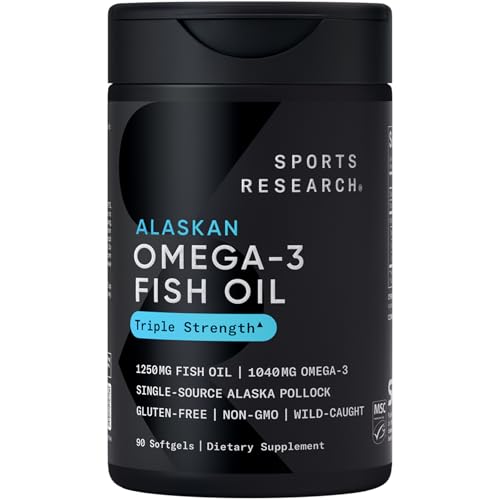
The health benefits of Omega-3 fatty acids in fatty fish extend beyond just reducing inflammation. They also play a crucial role in brain health, heart health, and overall well-being. Including fatty fish in meals at least twice a week can be a key strategy in an anti-inflammatory diet. For those who don’t consume fish, Omega-3 supplements can be an alternative, although the synergistic effects of nutrients found in whole fish are often preferable.

Leafy Greens: More Than Just Fiber

fight inflammation

Leafy greens, including spinach, kale, and collard greens, are nutritional powerhouses, rich in vitamins, minerals, and fiber, all of which contribute to their anti-inflammatory properties. These vegetables are high in Vitamin A, Vitamin C, and Vitamin K, as well as calcium and iron, which play a role in reducing inflammation. The high fiber content also helps in regulating the body’s inflammatory processes.

Incorporating leafy greens into the diet is not only beneficial for reducing inflammation but also for overall health. They support healthy digestion, improve heart health, and contribute to a well-functioning immune system. Leafy greens can be easily added to a variety of dishes, from salads and smoothies to soups and stir-fries, making them a versatile component in an anti-inflammatory diet.

Nuts And Seeds: Small But Mighty

fight inflammation

Nuts and seeds, such as almonds, walnuts, chia seeds, and flaxseeds, are tiny nutritional giants in the fight against inflammation. These foods are rich in healthy fats, particularly omega-3 fatty acids, which are known for their anti-inflammatory properties. They also contain antioxidants, fibers, and vitamins that collectively contribute to reducing inflammation. Regular consumption of a variety of nuts and seeds can significantly impact the body’s inflammatory response positively.

In addition to their anti-inflammatory benefits, nuts and seeds are incredibly versatile and beneficial for overall health. They can improve heart health, support weight management, and even aid in blood sugar regulation. Integrating these into daily meals is simple and effective – sprinkle them on salads, blend into smoothies, or enjoy as a nutritious snack. Their inclusion not only adds texture and flavor to dishes but also a powerful health boost.

Whole Grains: Beyond Refined Carbs

fight inflammation

Whole grains, such as brown rice, quinoa, and oats, stand in stark contrast to their refined counterparts in terms of health benefits, particularly in fighting inflammation. Unlike refined grains, whole grains retain all parts of the grain – the bran, germ, and endosperm – which are rich in fiber and other nutrients. These components play a crucial role in reducing inflammation. The high fiber content in whole grains helps in lowering C-reactive protein (CRP), a key marker of inflammation in the body.

Incorporating whole grains into the diet offers more than just anti-inflammatory effects. They also contribute to better heart health, improved digestion, and sustained energy levels. Replacing refined grains like white bread and pasta with whole grain alternatives is a simple yet effective dietary change. This switch not only aids in reducing inflammation but also supports overall health and well-being.

Spices And Herbs: Flavorful And Functional

fight inflammation

Spices and herbs, such as turmeric, ginger, and garlic, are not just culinary delights but also potent anti-inflammatory agents. Turmeric, for instance, contains curcumin, a compound that has been extensively studied for its powerful anti-inflammatory and antioxidant properties. Ginger and garlic, too, have compounds that reduce inflammation and can alleviate symptoms of various inflammatory conditions. Regularly incorporating these spices into meals can significantly contribute to reducing inflammation in the body.

The benefits of these spices and herbs extend beyond their anti-inflammatory properties. They have been linked to improved immune function, better digestion, and even potential cancer-fighting properties. Adding these to daily cooking not only enhances the flavor of dishes but also infuses them with health-promoting qualities. From curries and soups to teas and smoothies, there are endless ways to enjoy the benefits of these flavorful and functional ingredients.

Olive Oil: Liquid Gold

fight inflammation

Olive oil, particularly extra virgin olive oil, is a cornerstone of the anti-inflammatory diet, often referred to as the Mediterranean diet. It is rich in monounsaturated fats and contains a unique compound called oleocanthal, which has been shown to have similar anti-inflammatory effects as ibuprofen. Regular consumption of olive oil can reduce inflammation and lower the risk of chronic diseases associated with inflammation, such as heart disease and type 2 diabetes.

The use of olive oil in cooking and meal preparation is not only beneficial for its anti-inflammatory properties but also for overall health. It can improve heart health, aid in weight management, and even contribute to healthier skin and hair. Incorporating olive oil into the diet is simple – use it as a salad dressing, for cooking, or as a healthy dip for bread. Its versatility and health benefits make it an essential component of an anti-inflammatory diet.

Nourish Your Body, Soothe Your Inflammation

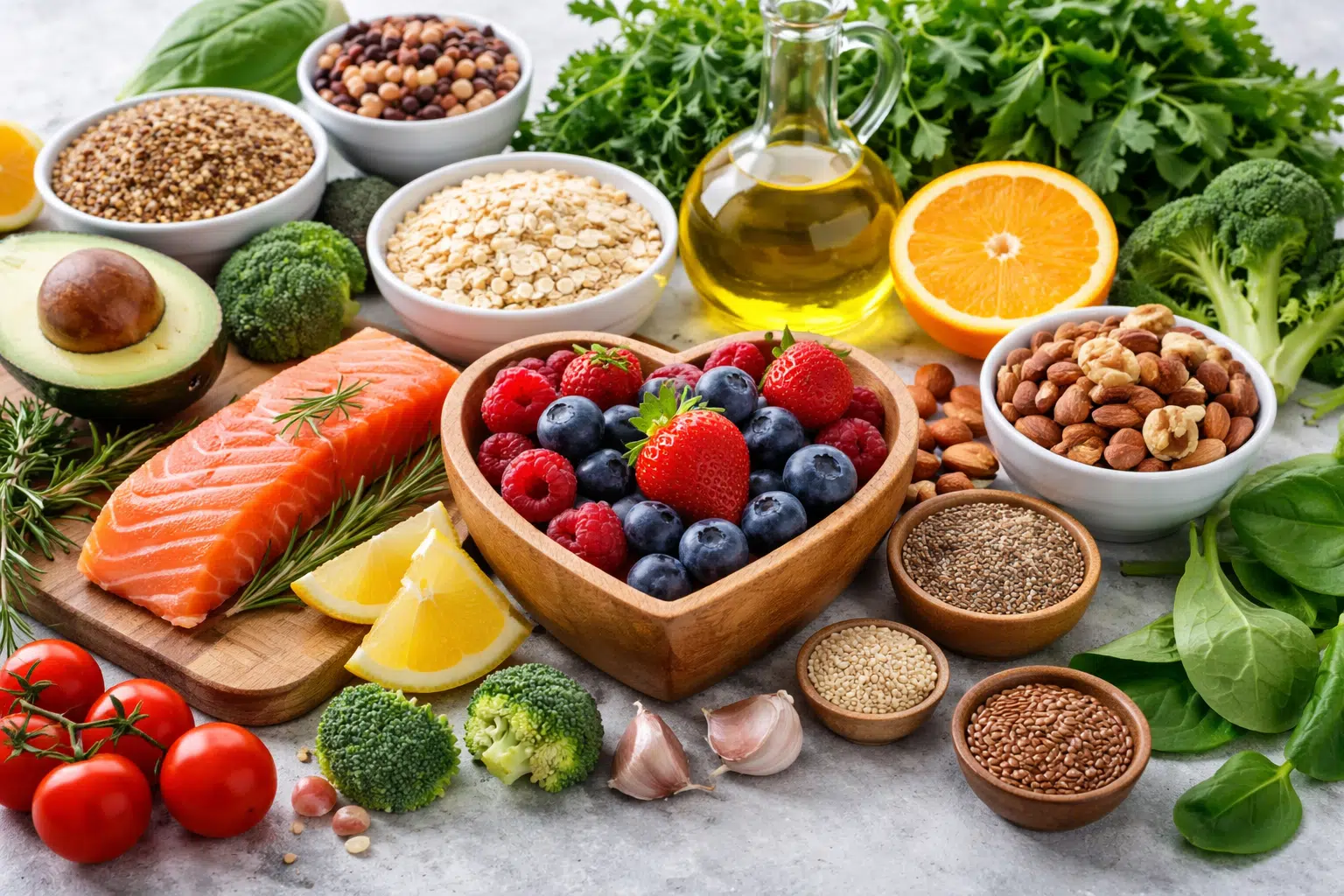
The journey towards reducing inflammation and enhancing overall health can begin with simple changes in your diet. By incorporating foods like berries, fatty fish, leafy greens, nuts, seeds, whole grains, spices, and olive oil, you can make a significant impact on your body’s inflammatory response. These dietary choices not only help in managing inflammation but also contribute to a healthier, more vibrant life. Start making these changes today and embrace the benefits of an anti-inflammatory lifestyle for a healthier tomorrow.

SaleBestseller No. 2
Orgain Organic Greens Powder + 50 Superfoods,...
Orgain Organic Greens Powder + 50 Superfoods,…
WHAT TO EXPECT: Includes 1 (0.62 lb.) tub of Orgain Organic…
$27.99 −$8.00 $19.99 Amazon Prime
SaleBestseller No. 3

This post contains Amazon affiliate links, Please see my disclosure policy to learn more.

HealthyFoodsMag.net is a participant in the Amazon Services LLC Associates Program, an affiliate advertising program designed to provide a means for sites to earn advertising fees by advertising and linking to Amazon.com.