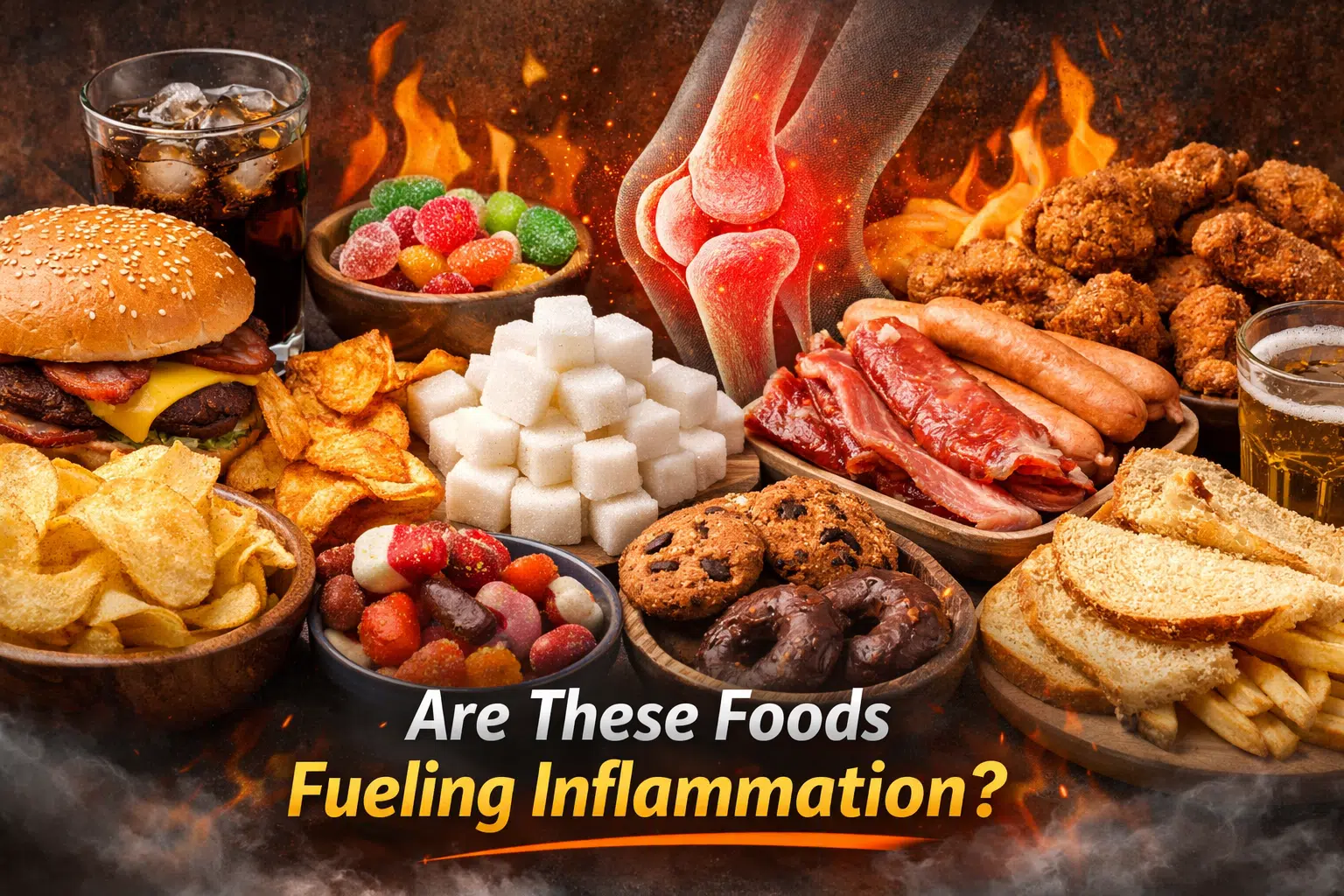
Understanding food labels is akin to unlocking the nutritional secrets of your grocery items, ensuring that the choices made align with health goals and dietary needs. This guide will dive into the critical components of food labeling, from sodium to sugars, trans fats, and beyond. With a discerning eye, shoppers can navigate the complex landscape of food ingredients, make informed decisions, and take control of their health and wellness.
Sodium

High sodium intake is often linked with an increased risk of hypertension and heart disease. Food labels are crucial for managing sodium consumption, as they detail the milligrams of sodium per serving. However, it’s essential to not only consider the amount of sodium but also to understand how it fits into the recommended daily intake, which varies based on age, health status, and dietary guidelines. Labels often list sodium content as a percentage of the daily value, a helpful tool in gauging how much of the daily limit a serving of the product contains.
Monitoring sodium on food labels requires diligence. Packaged and processed foods can contain deceptively high levels of sodium, even in products that don’t taste particularly salty. It’s advisable to compare labels and choose options with lower sodium content, especially for staples that are consumed frequently. Products labeled “low sodium” or “no salt added” can be preferable choices, but it’s still necessary to read the fine print, as these terms are regulated but may still contain more sodium than one might expect.
Carbohydrates

Carbohydrates are often spotlighted on nutrition labels due to their impact on blood sugar levels and their role as a primary energy source. While they are essential in the diet, the type and quantity of carbohydrates consumed are paramount. Labels break down carbohydrates into dietary fiber, total sugars, and sometimes added sugars, offering a clearer picture of what the consumer is ingesting. It is beneficial to choose foods with a higher fiber content and lower added sugars, as these options tend to be healthier and more filling, aiding in blood sugar control and weight management.
When analyzing the carbohydrates on a food label, it is also critical to look at the glycemic index, which may not be directly listed but can be inferred from the type of carbohydrates present. Complex carbohydrates, such as whole grains and legumes, have a lower glycemic index and provide a more gradual release of energy, which is preferable for sustained satiety and energy levels. Conversely, simple carbohydrates, often listed as “refined flour” or “sugar,” can lead to quick spikes in blood sugar and often indicate a less nutritious product. By choosing products rich in complex carbohydrates, consumers can ensure a steadier energy supply and better overall health.


Sugars

Sugar on food labels is a tricky element, as it comes in various forms and names. Added sugars contribute to excess caloric intake without providing nutritional benefits, leading to weight gain and health issues like type 2 diabetes. The challenge is that sugars are not always labeled straightforwardly; they hide under numerous names, such as sucrose, high-fructose corn syrup, and dextrose, among others. It is advised to look for these terms in the ingredients list to gauge the added sugar content.
The total sugar amount includes both natural and added sugars, which can make it challenging to determine the source. Fresh fruits, dairy, and some vegetables naturally contain sugar, but these are not the types to limit. The focus should be on added sugars, and to assist consumers, some food labels have started to include “Includes Xg Added Sugars” beneath the total sugar count. This specificity helps in adhering to dietary guidelines, which recommend limiting calories from added sugars to less than 10% per day.
Calories

Calories are the most widely recognized component on food labels, serving as a measure of the amount of energy the food provides. While calorie counting can be a tool for managing weight, it is the quality of the calories that often matters more than the quantity. A common misconception is that low-calorie foods are inherently healthier, but this is not always the case. Nutrient-dense foods that are higher in calories, such as nuts and avocados, can offer more health benefits compared to low-calorie foods with little nutritional value, like diet sodas or sugar-free candies.
Moreover, the context in which calories are consumed plays a significant role in dietary habits. A food label can list a reasonable number of calories per serving, but if the servings per container are overlooked, one might ingest far more calories than intended. For example, a small bag of chips could be easily consumed in one sitting, yet the label might indicate multiple servings, misleadingly suggesting fewer calories. Therefore, it is essential to consider both the number of calories per serving and the number of servings per container to understand the total caloric intake from the entire product. This awareness is crucial in creating a balanced approach to eating, where calories are understood not just as a number, but as a component of the larger nutritional profile of foods.
HealthyFoodsMag.net is a participant in the Amazon Services LLC Associates Program, an affiliate advertising program designed to provide a means for sites to earn advertising fees by advertising and linking to Amazon.com.