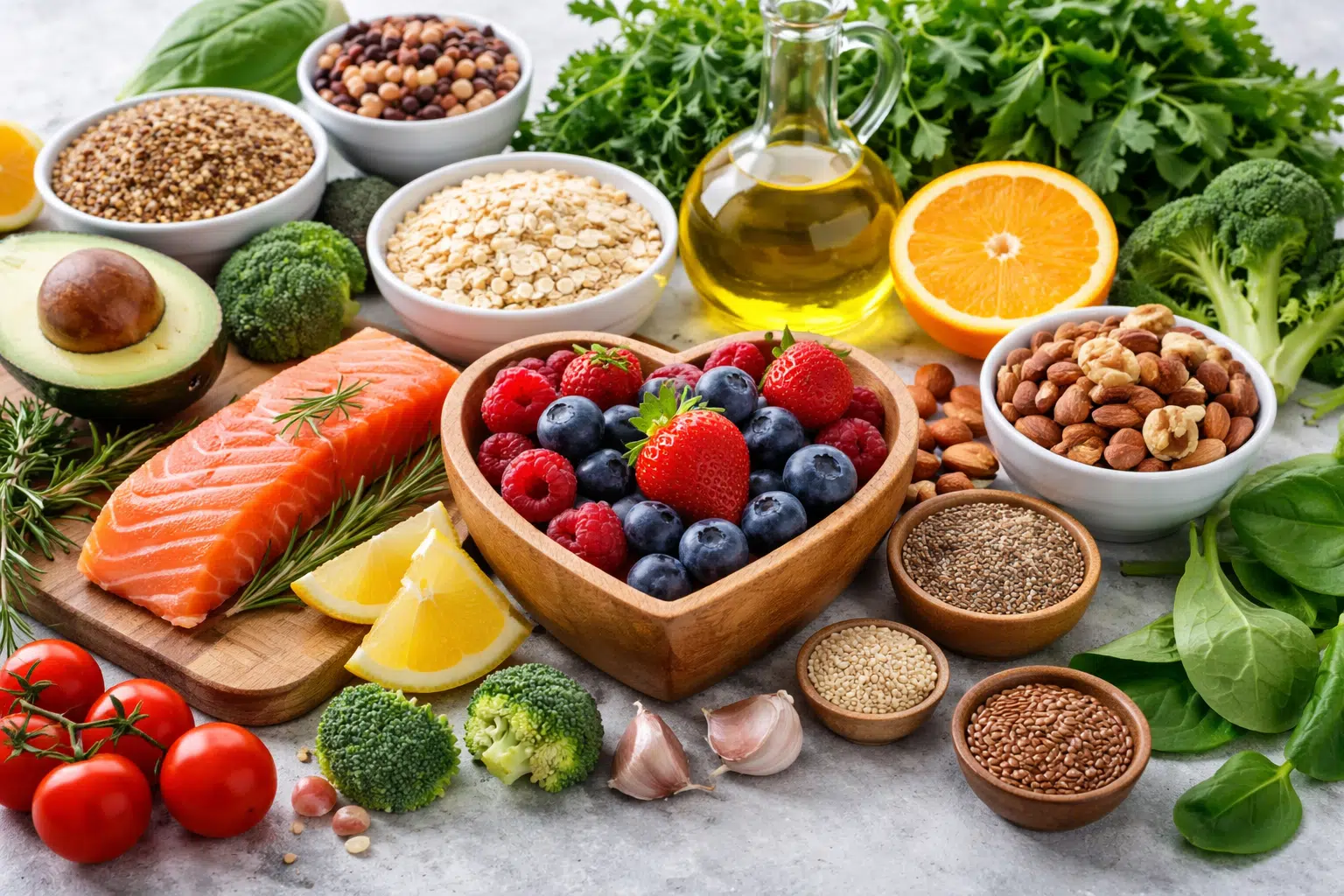
In recent years, the term “superfoods” has become a buzzword in the health and wellness industry. Among the various nutrients and compounds associated with these superfoods, sulforaphane has been gaining traction. This phytochemical, found mainly in cruciferous vegetables, has been lauded for its health benefits. From detoxification to immune system support, sulforaphane seems to have it all. This article will provide a comprehensive guide on sulforaphane-rich foods, their health benefits, and how best to incorporate them into your diet.
Contents
What Is Sulforaphane?
Sulforaphane is a phytochemical, meaning it’s a natural plant compound. While the term might not be commonly heard at the dinner table, it’s making its mark in nutritional circles. Derived primarily from cruciferous vegetables, sulforaphane has properties attracting increasing attention from consumers and health experts.
The growing interest in sulforaphane can be credited to its potential for positively impacting human health. As a compound found naturally in vegetables like broccoli and cauliflower, it offers an accessible means to reap significant benefits. These range from detoxification to offering antioxidant properties that help combat cellular damage.
The Top Foods Rich in Sulforaphane
Regarding foods high in sulforaphane, the cruciferous family of vegetables takes the spotlight. Think broccoli, Brussels sprouts, cabbage, and cauliflower. These aren’t just your typical side dishes but powerhouses of nutrition with elevated levels of sulforaphane.
But these vegetables are not the only sources. While they remain the most commonly consumed, other foods like collard greens and kale contain this valuable phytochemical. Whether you’re whipping up a stir-fry or blending a green smoothie, including these foods can provide the sulforaphane your body craves.
Preparation Methods That Maximize Sulforaphane
One of the less-known facts about sulforaphane is that its levels can be influenced by how the food is prepared. Cooking methods can enhance or reduce the amount of sulforaphane in your meal. For instance, steaming your vegetables instead of boiling them can retain more of this beneficial compound.
Chopping these vegetables before cooking can also increase sulforaphane levels. When these plants are cut, they release an enzyme that enhances sulforaphane formation. Therefore, understanding the right ways to prepare these foods can be as important as consuming them. Making these small changes in the kitchen can amplify the health benefits you receive.
Health Benefits of Sulforaphane
There is an array of health benefits that come with consuming sulforaphane-rich foods. One of the most noted advantages is its strong antioxidant properties. Antioxidants play a pivotal role in neutralizing free radicals in the body, which can mitigate cellular damage and aging.
Another compelling reason to consume more sulforaphane comes from its detoxifying abilities. It aids in removing harmful substances that we often ingest through food, water, and even the air we breathe. By supporting the body’s natural detoxification processes, sulforaphane helps cleanse the system and bolsters overall health.

Side Effects and Considerations
While sulforaphane offers many benefits, knowing the potential side effects and considerations is essential. Consuming large amounts of cruciferous vegetables can sometimes lead to digestive issues such as gas and indigestion. Therefore, moderation is key when incorporating these foods into your diet.
Certain populations should exercise caution when consuming sulforaphane-rich foods. For instance, individuals with thyroid issues or those on specific medications should consult their healthcare provider before making significant dietary changes. Knowing these potential drawbacks can help individuals make more informed choices about sulforaphane consumption.
How to Incorporate Sulforaphane Foods into Your Diet
Taking the plunge to add more sulforaphane to your diet doesn’t have to be complicated. Simple meal ideas can help you effortlessly include these foods into your daily regimen. The options are plentiful, from adding chopped broccoli to your omelets to throwing Brussels sprouts into your dinner stir-fry.
Moreover, sulforaphane supplements are also an option for those who find it challenging to consume enough of these vegetables. While convenient, they should not replace whole foods but serve as an additional source. It’s always a good idea to consult a healthcare provider before beginning any new supplement regimen.
More Foods Rich in Sulforaphane!
- Watercress
Watercress is often overlooked but is a powerhouse regarding sulforaphane content. It’s a peppery, aquatic plant that can easily be added to salads or garnish. It’s not just a pretty face; watercress offers a hefty dose of sulforaphane, making it a worthwhile addition to your diet.
- Radishes
Radishes may be small, but they pack a potent sulforaphane punch. Often used in salads for their spicy kick and crunchy texture, radishes also make excellent low-calorie snacks. Don’t be fooled by their size; these tiny vegetables have significant health benefits due to their sulforaphane content.
- Arugula (Rocket)
Arugula, also known as rocket, is a leafy green that adds a peppery flavor to dishes. Popular in Italian cuisine, it’s a tasty addition to salads and pizzas and a decent source of sulforaphane. The next time you consider a leafy green, remember that arugula offers flavor and health benefits.
- Kohlrabi
Kohlrabi is a lesser-known cruciferous vegetable but is catching on for its sweet and mild flavor. Often enjoyed raw or cooked, it’s another excellent source of sulforaphane. While it may not be as popular as broccoli or cauliflower, kohlrabi deserves a place in the sulforaphane spotlight.
- Garden Cress
Garden cress is a fast-growing herb that has a peppery, tangy flavor. It’s often used in salads, sandwiches, and as a garnish. Apart from its culinary uses, garden cress is rich in sulforaphane, making it a great choice for those looking to increase their intake of this beneficial compound.
The Bottom Line
The world of sulforaphane is undoubtedly intriguing, offering a variety of health benefits, from its antioxidant properties to its role in detoxification. Cruciferous vegetables like broccoli, Brussels sprouts, and cauliflower are the most potent sources, but the preparation method can also influence sulforaphane levels. While the compound is generally safe for consumption, some individuals may experience side effects or need to exercise caution. With all this information, one thing is clear: incorporating sulforaphane-rich foods into your diet can be a simple yet effective step towards better health.