Maintaining healthy blood pressure is crucial for overall well-being, yet many are unaware of how certain foods can subtly influence it. This article sheds light on everyday foods that might be quietly raising your blood pressure. While some culprits like salty snacks are well-known, others hide in plain sight in our daily diets. Understanding these hidden sources is key to managing and improving your blood pressure. Here, you’ll explore these common foods, offering insights into how they impact your health and what you can do to make smarter dietary choices.
Processed Meats: Hidden Sodium Bombs

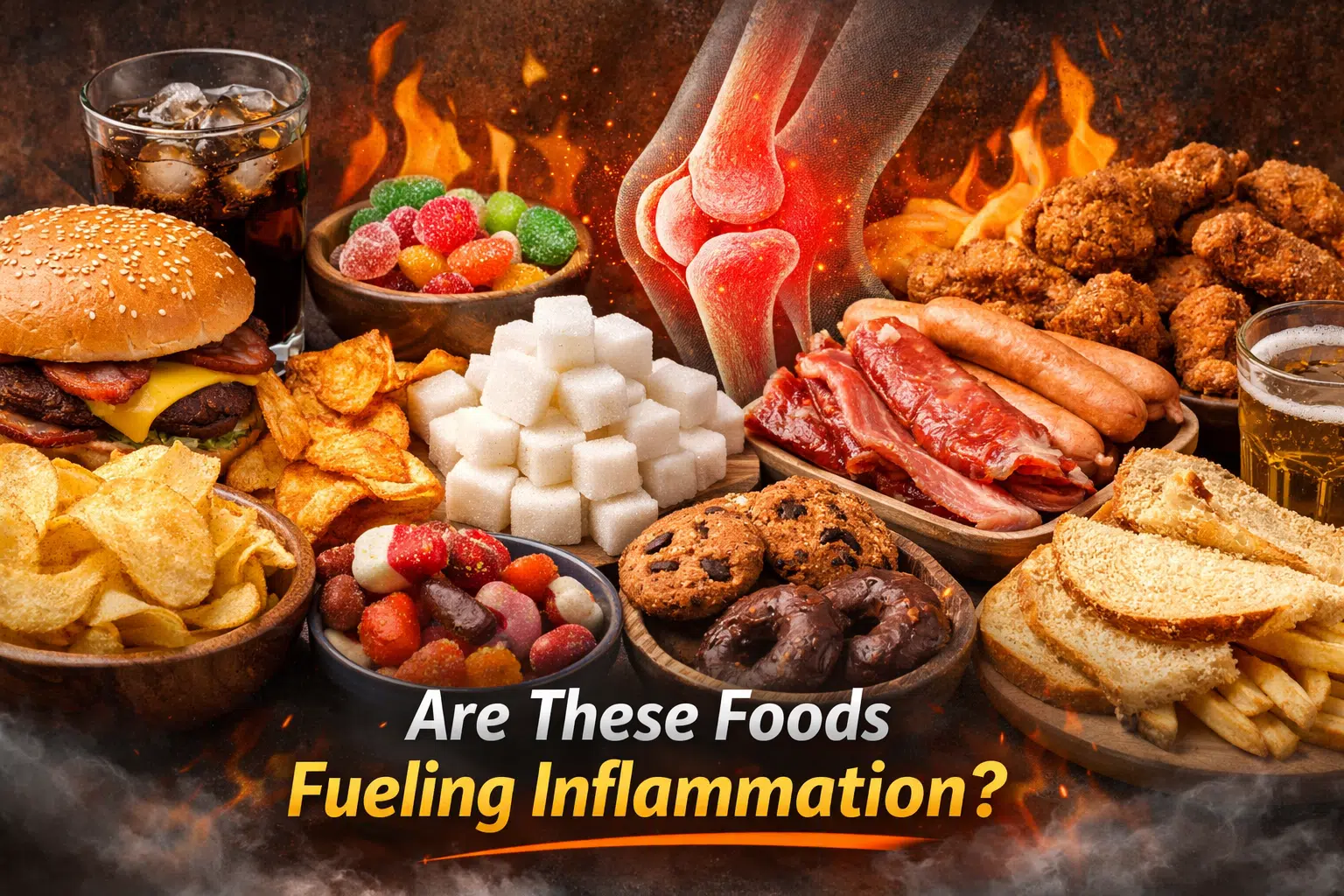
Processed meats are a staple in many diets, but they’re also a significant source of hidden sodium, a known contributor to high blood pressure. Items such as ham, sausages, and bacon are not just rich in flavor; they’re packed with salt to enhance taste and preserve the product. This high sodium content can increase blood pressure, posing a risk to heart health. The American Heart Association warns that excessive sodium intake can cause the body to retain water, putting an extra burden on the heart and blood vessels.
In addition to the direct impact on blood pressure, processed meats also contribute to long-term health issues. Regular consumption of these meats has been linked to chronic conditions like heart disease and stroke. It’s not just the amount of sodium that’s concerning but also the frequency of consumption. Even seemingly small amounts, when eaten regularly, can add up to a significant sodium intake. Therefore, it’s crucial to be mindful of processed meat consumption and consider healthier alternatives like lean meats or plant-based proteins.
Canned Soups: The Stealthy Sodium Source

Canned soups, often perceived as a convenient and healthy meal option, can be surprisingly high in sodium. This hidden sodium turns a seemingly wholesome choice into a potential risk for those monitoring their blood pressure. The contrast is stark when comparing homemade soups to their canned counterparts. Homemade soups allow for better control over the amount of salt used, whereas canned soups often contain high levels to enhance flavor and shelf life.
The challenge with canned soups is that the sodium content can be deceptively high, even in those labeled as “reduced sodium” or “heart-healthy.” It’s essential to read labels carefully and understand the sodium content per serving. A single can of soup can sometimes contain more than half the recommended daily sodium intake. To mitigate this, look for low-sodium options or, better yet, prepare homemade soups where you can control the ingredients. This small change in your diet can have a significant impact on maintaining a healthy blood pressure.
Sugary Drinks: Sweet But Dangerous

Sugary drinks are a major contributor to increased blood pressure, often overlooked due to their sweet taste and refreshing qualities. Beverages like sodas, fruit juices, and energy drinks are loaded with sugar, which can lead to a spike in blood pressure. The mechanism is twofold: the sugar content can lead to weight gain, a risk factor for hypertension, and it can also have a direct impact on blood pressure levels. High sugar intake causes the body to release more insulin, which in turn can increase blood pressure.
The impact of these drinks on overall heart health is significant. Regular consumption of sugary beverages is linked to a higher risk of developing heart disease. It’s not just about the immediate spike in blood pressure; the long-term effects include an increased likelihood of developing chronic conditions like type 2 diabetes, which further exacerbates blood pressure issues. Reducing your intake of these sugary drinks or replacing them with healthier alternatives, like water or herbal teas, can be a simple yet effective way to better manage blood pressure.
HealthyFoodsMag.net is a participant in the Amazon Services LLC Associates Program, an affiliate advertising program designed to provide a means for sites to earn advertising fees by advertising and linking to Amazon.com.