What is real food? This question has been asked more and more in recent years as people have become more interested in where their food comes from and how it is made. There are no definitive answers to this question, as the definition of “real food” can vary from person to person. However, some general characteristics that most people would agree define real food. This article will discuss the emerging trend of “real food.” It will also provide tips for how you can start incorporating more natural foods into your diet.
Contents
What Is The New Trend Of “Real Food”?

In recent years, there has been a growing movement toward “real food.” This term refers to minimally processed food that is free from artificial additives. Real food proponents argue that it is more nutritious and better for the environment than highly processed food. They also claim that real food is more flavorful and satisfying than its processed counterpart. While the real food movement is still in its infancy, it has already gained significant traction.
Many consumers are interested in buying from companies that offer authentic food options. In addition, several restaurants have begun to focus on serving authentic food dishes. As the demand for real food continues to grow, even more businesses will likely start to offer these products and services. In time, the natural food movement could revolutionize how people eat.
The Benefits Of Eating “Real Food”
You are not alone if you have seen this trend growing and are curious about the benefits of eating real food. Many people are drawn to the idea of consuming food that is more natural and less processed. There are several potential benefits associated with eating real food:
Includes More Nutrients

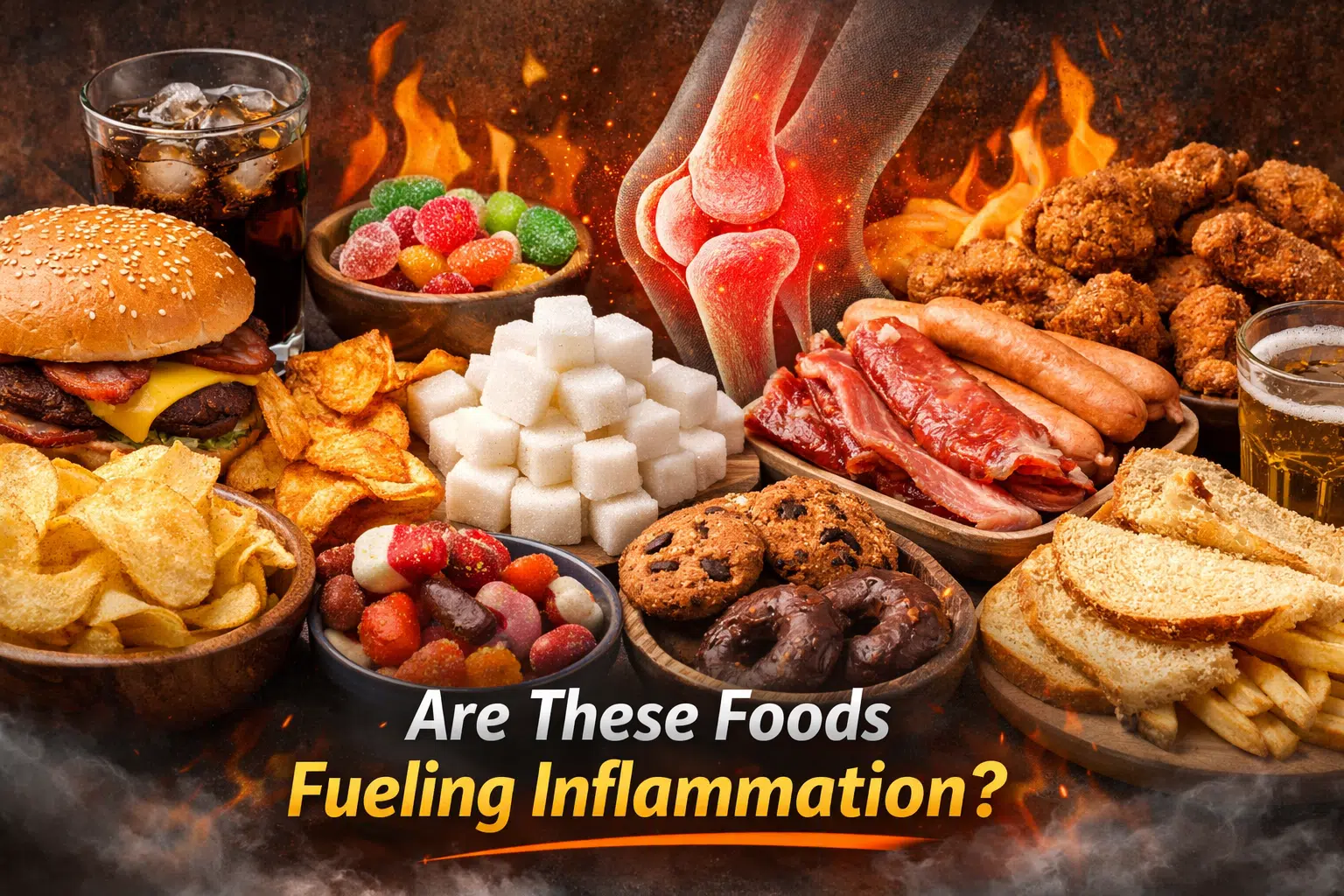
Processed foods are notorious for being low in nutrients. By comparison, whole, unprocessed foods – what many people refer to as “real food” – are much more nutrient-dense. This is because real food is minimally processed and typically contains all the essential nutrients required for good health. In contrast, processed foods often remove most of their nutrients during manufacturing. As a result, they tend to be lacking in important vitamins, minerals, and other micronutrients.
Additionally, processed foods often contain additives and other synthetic ingredients that can negatively affect health. For these reasons, it’s generally best to stick to real food when possible. Doing so will give you more of the essential nutrients your body needs for optimal health.
Help You Lose Weight

Most people think that they must give up all their favorite foods and consume nothing but bland, tasteless “health” foods to lose weight. However, this could not be further from the truth! The key to losing weight is not necessarily about eating less food but rather the right foods. And when it comes to weight loss, there is no magic bullet – but real food can help. One of the main problems with processed foods is that they are often loaded with empty calories – that is, calories that do not provide nutritional value.
Think of a candy bar: it might taste good, but it will not do anything to help your body function at its best. On the other hand, real food is packed with nutrients your body needs. These nutrients help boost your metabolism and keep you feeling full longer so that you are less likely to overeat. As a result, eating real food can help you lose weight healthily and sustainably.