Everybody knows that eating healthy and exercising regularly is the key to a healthy lifestyle. But many people don’t know that some specific eating habits can slow your metabolism and make it harder to lose weight.
Like most people, you probably want to know how to speed up your metabolism. Well, that starts with avoiding things that slow it down. This article will discuss the four most common eating habits that impact your metabolism. So if you’re struggling with weight loss or just curious about the matter, read on for helpful advice!
Contents
Eating Habits That Slow Your Metabolism
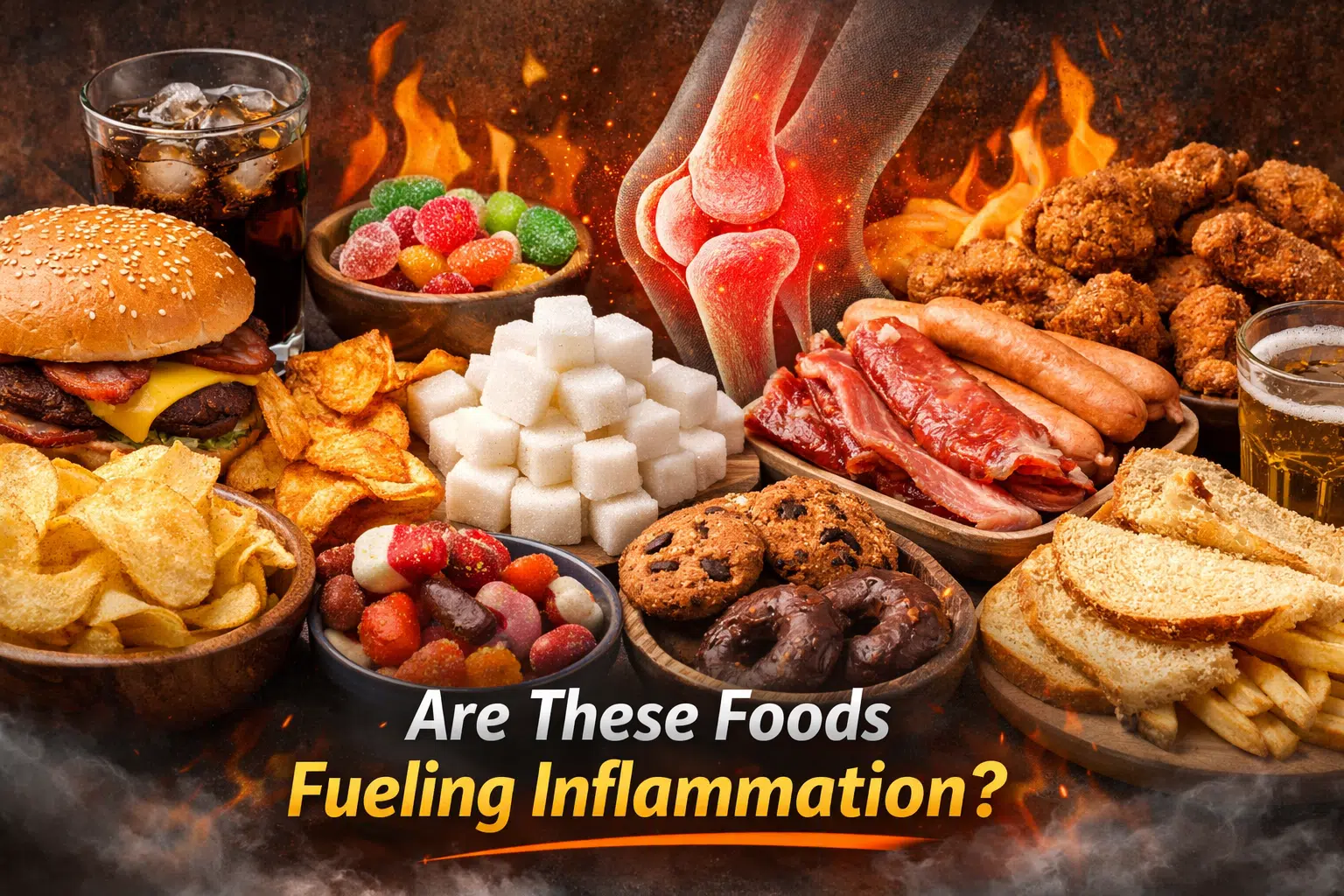
Eating Processed Foods

It’s no secret that eating processed foods is bad for your health. These foods contain unhealthy fats, salt, and sugar, often lacking important nutrients like fiber and vitamins. But did you know that eating processed foods can also slow your metabolism? When your metabolism is slowed down, your body cannot burn calories as efficiently. This can lead to weight gain, even if you’re eating the same calories as someone with a faster metabolism.
In addition, processed foods are often high in empty calories, which provide no nutritional value and can contribute to weight gain. So if you’re trying to lose or maintain a healthy weight, it’s best to avoid processed foods as much as possible. Instead, focus on eating whole, unprocessed foods like fruits, vegetables, and lean protein. These foods will not only help boost your metabolism, but they’ll also provide your body with the nutrients it needs to function properly.
Drinking Alcohol

Alcohol is often thought of as a way to relax or celebrate, but it can also significantly impact your body. One of the most significant effects of alcohol is that it can slow down your metabolism. Metabolism is the process by which your body breaks down food and turns it into energy. When you drink alcohol, your body must work harder to process it, which can decrease the overall rate of metabolism.
In addition, alcohol can also interfere with the absorption of other nutrients, such as vitamins and minerals. As a result, drinking too much alcohol can lead to various health problems, including weight gain, liver damage, and heart disease. Consequently, it is important to moderate your alcohol intake and be aware of the potential risks associated with excessive drinking.
Not Eating Enough

It is commonly believed that if you want to lose weight, you should reduce your food intake. However, this weight loss strategy often backfires, as it can slow down your metabolism. When you don’t eat enough, your body goes into “starvation mode” and starts to hold on to fat stores as an energy reserve.
This may lead to initial weight loss, but it is usually followed by a plateau or even weight gain as your body tries to compensate for the reduced food intake. In addition to slowing your metabolism, not eating enough can also negatively affect your health. For example, it can cause fatigue, irritability, and difficulty concentrating. It can also lead to nutrient deficiencies, as your body does not have enough fuel to create the necessary vitamins and minerals. So, eat enough if you want to boost your metabolism and improve your overall health!