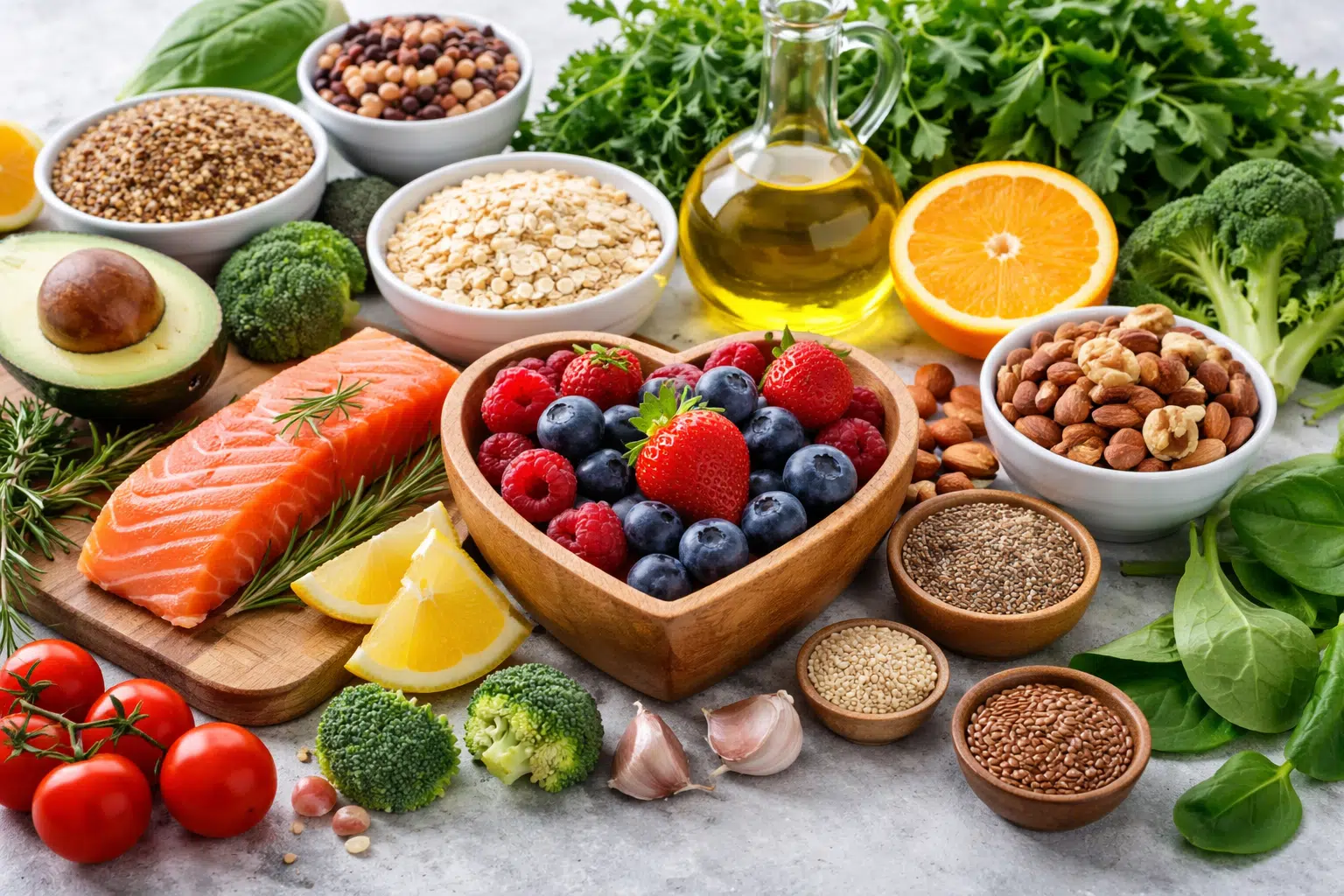
Like most people, you probably think that the healthiest foods are boring and bland. But are you looking for an easy way to improve your health? Then, add some of the healthiest foods you aren’t eating to your diet! These nutritious eats provide a wealth of health benefits, from boosting your energy levels to protecting against disease. So if you’re ready to take your health up a notch, read on for some powerful examples of healthy foods that most people do not think of.
Beets

Beets are a type of root vegetable. Although they may not be the most glamorous vegetable, they are full of nutrients and have many health benefits. For instance, beets are a good source of fiber and folate, which can help to protect against heart disease and certain types of cancer. They are also rich in antioxidants, boosting brain health and cognitive function. In addition, beets are low in calories and contain no fat, making them an excellent choice for those watching their weight. So next time you’re at the grocery store, don’t overlook the humble beet. Give them a try, and you may be pleasantly surprised.
Red Cabbage

Red cabbage is an excellent source of vitamin C and a good source of fiber; it also contains various other nutrients, including potassium, magnesium, and calcium. Red cabbage is a member of the cruciferous family of vegetables, including broccoli, brussels sprouts, and kale. Cruciferous vegetables are known for their cancer-preventing properties.
Studies have shown that compounds found in red cabbage can help protect cells from damage and reduce the risk of some types of cancer. Red cabbage is also a good source of antioxidants, which help to protect the body from free radicals. These damaging molecules contribute to the development of chronic diseases such as heart disease and diabetes. You can enjoy red cabbage cooked or raw. It can be shredded and added to salads or cooked and served as a side dish. Red cabbage is a versatile and nutritious addition to any diet.
Cauliflower

Cauliflower is a cruciferous vegetable related to broccoli, kale, and brussels sprouts. It is typically white but can also be in yellow, green, or purple shades. Cauliflower is a nutrient-rich vegetable that is an excellent source of fiber, vitamins C and K, and folate.
It can be eaten raw or cooked, and you can use it as a low-carb alternative to rice or pasta. When cooked properly, cauliflower is a delicious and versatile vegetable that you can enjoy in many different ways. When shopping for cauliflower, look for heads that are firm and free of blemishes. Avoid those that have brown spots or are soft to the touch. To extend its shelf life, cut off the leaves and store the head in a plastic bag. You can store cauliflower in the fridge for up to a week.
Kiwifruit

Few fruits are as unique as the kiwifruit. Also known as the Chinese gooseberry, the kiwifruit is about the size of a large grape and has brown, fuzzy skin. Its flesh is bright green and dotted with small black seeds. Kiwifruits are native to China, but they are now grown in many other parts, including New Zealand, Italy, Chile, and California.
You can eat fresh kiwifruits and make kiwifruits into jams and jellies, as a garnish, or even add to wine. The kiwifruit is an excellent source of vitamins C and E, potassium, and fiber. It also contains actinidin, an enzyme that helps to break down protein. Thanks to its nutritional value and unique flavor, kiwifruit is becoming increasingly popular around the globe.