Depression, a common yet serious mood disorder, affects millions worldwide, prompting an exploration of various treatment strategies. Recently, the role of diet in managing depression has garnered significant attention. Nutritional psychiatry, an emerging field, suggests a compelling link between what we eat and our mental health. This article delves into how a balanced diet, rich in specific nutrients, can positively influence mental well-being. It explores the connection between diet and mental health, identifies beneficial foods and those to avoid, and considers practical dietary strategies to support mental health. Understanding this relationship offers a promising avenue for those seeking to manage their mental health through holistic means.
The Connection Between Diet and Mental Health

The emerging field of nutritional psychiatry positions diet as a key player in mental health. Various nutrients directly affect brain chemistry and, consequently, emotions and mood. A balanced diet, rich in essential vitamins and minerals, supports brain function and may alleviate symptoms of depression. Conversely, deficiencies in certain nutrients can exacerbate mental health issues. Although diet isn’t a standalone solution, its role in mental health management is increasingly recognized as significant.
A growing body of evidence supports the idea that what we eat significantly impacts our mental health. Nutritional imbalances can lead to alterations in brain chemistry, affecting mood and susceptibility to mental health disorders like depression. Foods rich in essential nutrients contribute to maintaining neurotransmitter function, a key factor in mood regulation. Hence, a diet balanced in macro and micronutrients is not just crucial for physical health but is equally important for mental well-being.
Importance of a Balanced Diet

A balanced diet, rich in carbohydrates, proteins, fats, vitamins, and minerals, is crucial for overall health, including mental well-being. Each nutrient plays a distinct role in brain health; for instance, complex carbohydrates are essential for sustaining energy levels, while proteins are vital for neurotransmitter function. Fats, especially omega-3 fatty acids, are important for brain cell structure and function.
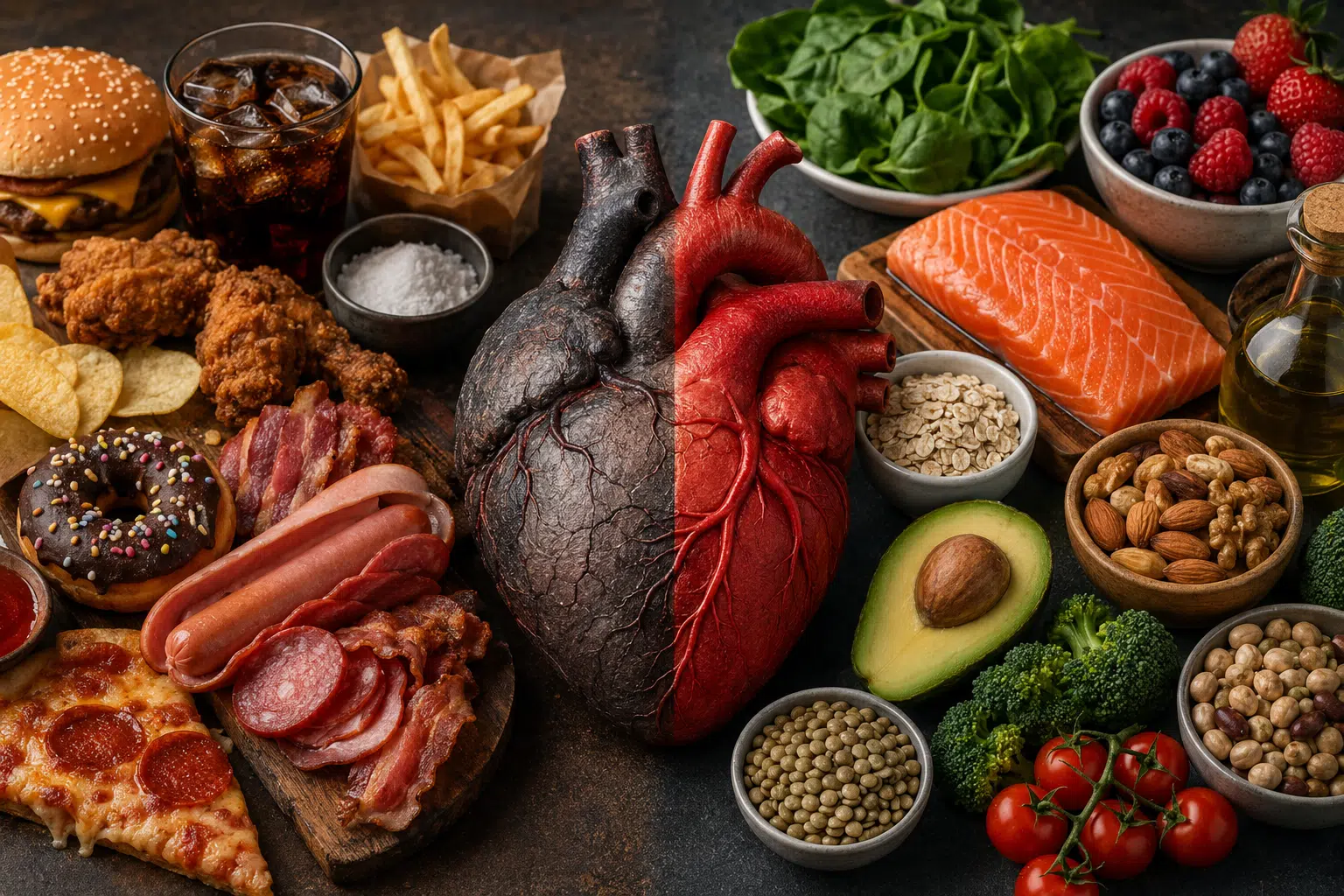
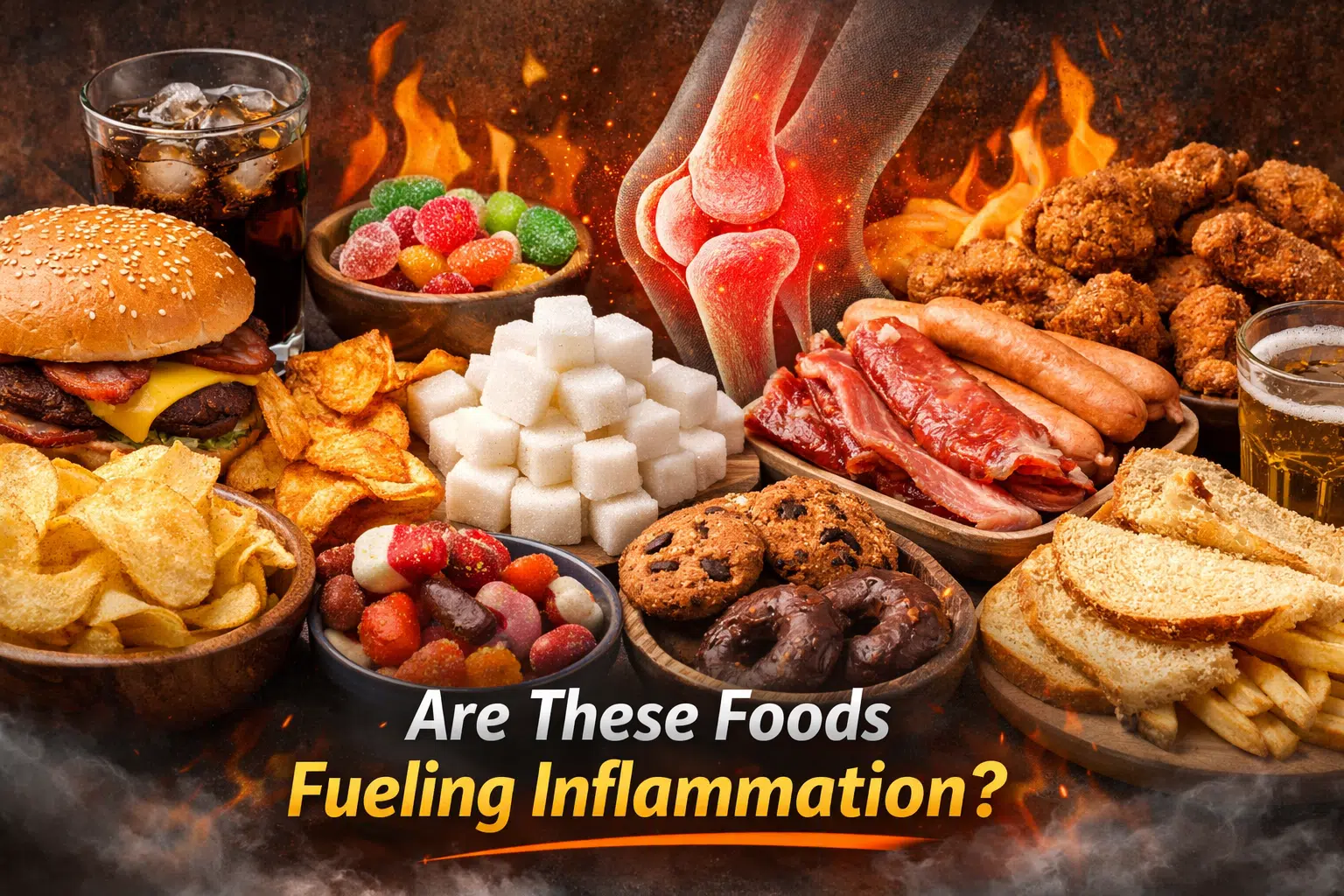
An imbalance in these nutrients can lead to exacerbated depressive symptoms. For instance, a diet high in processed foods and low in essential nutrients can negatively impact brain function and mood. Ensuring a balance of these nutrients can help stabilize mood, improve energy levels, and support overall mental health. Thus, a balanced diet is a foundational element in managing depression and enhancing mental well-being.
Foods to Incorporate for Better Mental Health

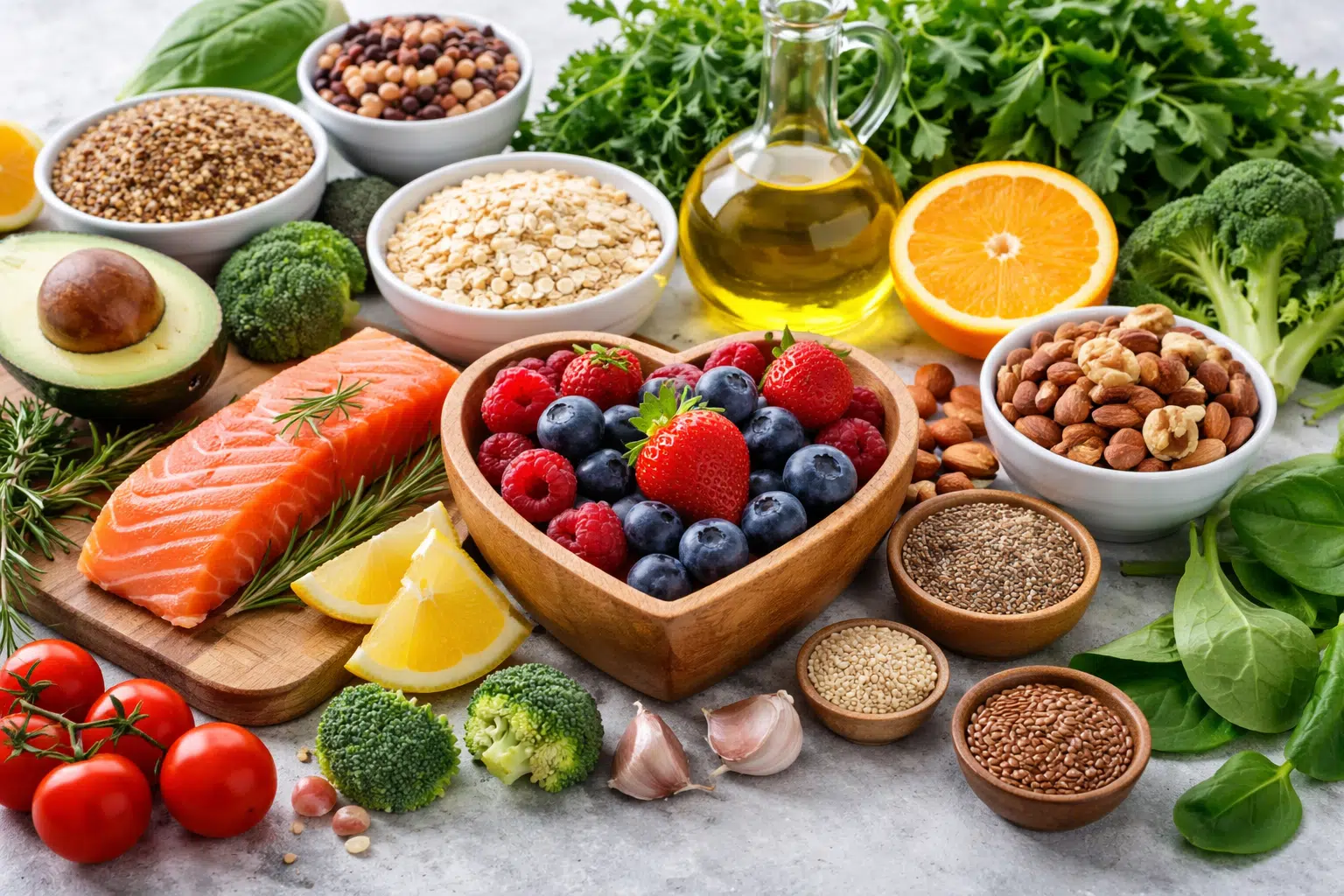
Certain foods are particularly beneficial for mental health. Omega-3 fatty acids, found in fish, flaxseeds, and walnuts, play a critical role in brain health and may help reduce symptoms of depression. These fatty acids are essential for cognitive function and maintaining the integrity of brain cells. Regularly consuming omega-3-rich foods can contribute to better mental health.
Probiotics and gut health also play a significant role in mental well-being. The gut-brain axis, a complex communication system between the gut and the brain, suggests that a healthy gut contributes to a healthy mind. Foods like yogurt, kefir, and fermented vegetables can help maintain a healthy gut microbiome, potentially reducing the symptoms of depression. Additionally, antioxidants found in berries, nuts, and green leafy vegetables can combat oxidative stress linked to depression.