Vegan Diet

The vegan diet takes plant-based eating to the next level by eliminating all animal products, including dairy and eggs. This diet is rich in fruits, vegetables, legumes, and whole grains, all of which are excellent sources of essential nutrients and fiber. Fiber plays a crucial role in lowering cholesterol levels, thereby reducing the risk of heart disease. Moreover, plant-based proteins found in legumes, nuts, and seeds offer a heart-healthy alternative to animal-based proteins, which can be high in saturated fats.
Beyond the health benefits, adopting a vegan diet also has ethical implications. Many people choose this lifestyle to promote animal welfare and reduce their environmental impact. While these are valid reasons, it’s essential to plan a vegan diet carefully to ensure you’re getting all the necessary nutrients. Consulting a healthcare professional can help you make informed choices and ensure that your heart reaps the benefits of this compassionate lifestyle.
Pescatarian Diet

A pescatarian diet is essentially a vegetarian diet that includes the consumption of fish and seafood. This diet offers a balanced approach by combining the benefits of plant-based eating with the nutritional advantages of fish. Fish are an excellent source of omega-3 fatty acids, which have been shown to lower triglyceride levels and reduce inflammation, both of which are beneficial for heart health. Additionally, fish provide a lean source of protein, making them a great alternative to red meat, which can be high in saturated fats.
The pescatarian diet also allows for a wide range of food options, making it easier to stick to in the long run. From hearty vegetable stews to grilled fish, the diet offers a plethora of delicious and heart-healthy options. It’s a flexible diet that accommodates various preferences while keeping the focus on heart health, making it an excellent choice for those looking to improve their cardiovascular well-being.
Ayurvedic Diet

The Ayurvedic diet is rooted in ancient Indian medicine and focuses on balancing the body’s energies, known as doshas. According to Ayurvedic principles, understanding your dominant dosha can guide you in choosing foods that promote balance and well-being. Spices like turmeric and ginger are often used in Ayurvedic cooking, both of which have anti-inflammatory properties that can benefit heart health. Additionally, the diet emphasizes whole grains, fruits, and vegetables, which are rich in essential nutrients and fiber.
The Ayurvedic diet also promotes mindful eating, encouraging you to focus on the flavors, textures, and smells of your food. This practice can help you become more aware of your hunger and fullness cues, preventing overeating and promoting better digestion. While the Ayurvedic diet may initially seem complex, its focus on balance and mindfulness offers a holistic approach to heart health.
Personalized Diet Plans

In an age where technology and healthcare are increasingly intertwined, personalized diet plans based on genetic testing are gaining popularity. These plans take into account your genetic makeup to recommend a diet tailored specifically to your needs. For instance, some people may have a genetic predisposition to high cholesterol or high blood pressure, and a personalized diet can help manage these conditions more effectively. Consulting a dietician or healthcare professional for a personalized plan ensures that the recommendations are both scientifically sound and practical.
While the idea of a personalized diet may sound futuristic, it’s becoming more accessible and affordable. Various companies offer genetic testing kits that provide insights into how your body processes fats, proteins, and carbohydrates. These insights can be invaluable in tailoring a diet that not only meets your nutritional needs but also optimizes your heart health. It’s a cutting-edge approach that combines science and nutrition to offer a highly personalized pathway to better health.
Your Heart Deserves The Best, Make Your Choice Today
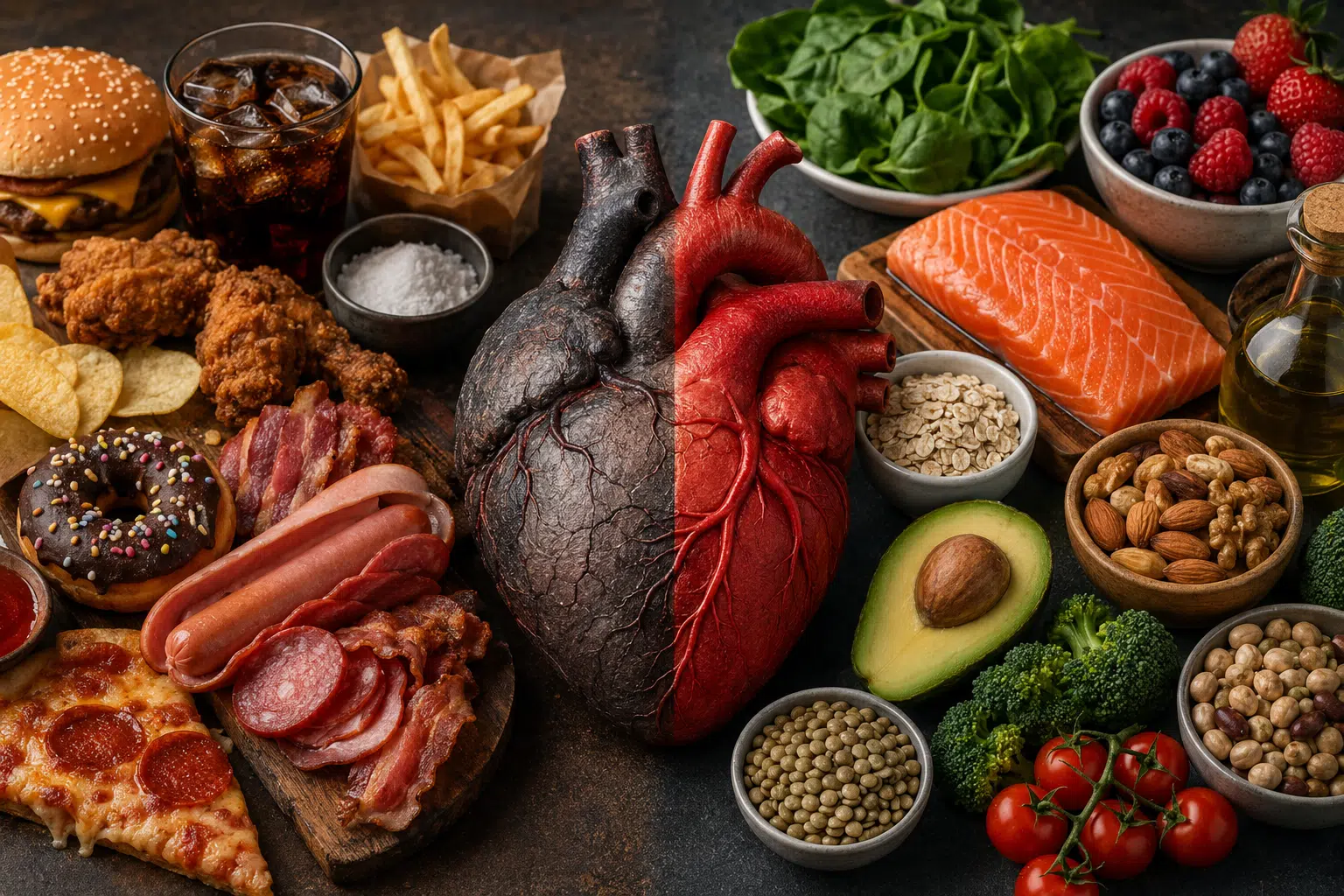
In wrapping up, it’s clear that the path to a healthier heart is as diverse as it is delicious. From the simplicity of the DASH diet to the personalized touch of genetic-based plans, there’s a dietary approach that can resonate with you. While each diet comes with its own set of guidelines and benefits, the underlying message is consistent: what you eat profoundly impacts your heart’s health. Consulting a healthcare professional can provide you with the tailored advice you need. So, don’t delay—your heart deserves the best, and today is the perfect day to make your choice.